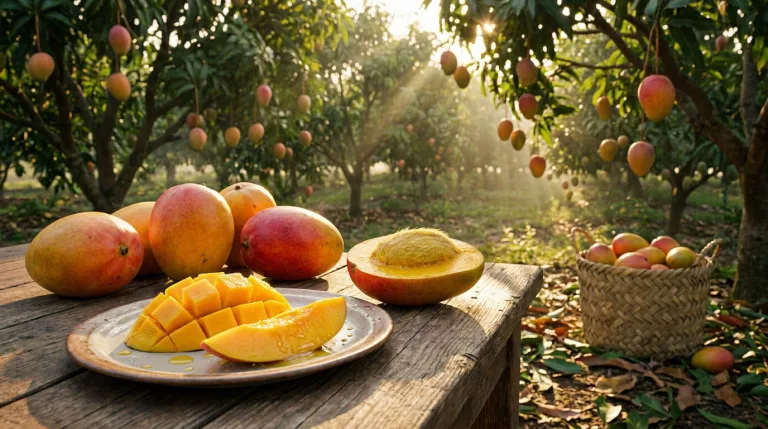
Few fruits capture the hearts of people around the world quite like the mango. Sweet, juicy, and bursting with tropical flavor, this fruit has earned nicknames like “the king of fruits” in many cultures, and once you learn why, you will understand exactly how it earned that title.
Pakistan happens to be one of the top mango producing countries on earth, with the Multan region standing out as a hub for some of the finest varieties grown anywhere. Whether you have grown up eating mangoes every summer or you are just discovering this fruit for the first time, there is a lot more to it than its delicious taste.
In this article, we will walk through some genuinely surprising facts about mangoes, from their ancient history to their surprising health benefits and everything in between.
A Fruit With Thousands of Years of History
Mangoes are not a modern invention. They have been cultivated for over 4,000 years, with their origins tracing back to South Asia, particularly the region that includes present day India and Pakistan.
Ancient traders and travelers helped spread mango cultivation across the world, carrying seeds along trade routes to Southeast Asia, the Middle East, and eventually Africa and the Americas. This long journey explains why mangoes are now grown and loved in over 100 countries.
It is worth noting that mangoes hold cultural and even spiritual significance in South Asia. In many traditions, the mango tree symbolizes love, prosperity, and fertility, and mango leaves are often used in decorations during festivals and weddings.
The Mango Family Is Bigger Than You Think
Most people assume there is just one type of mango, but that could not be further from the truth. There are actually more than 1,000 varieties of mangoes grown worldwide, each with its own unique flavor, color, size, and texture.
In Pakistan alone, famous varieties like Chaunsa, Sindhri, Anwar Ratol, and Langra each bring something different to the table. Chaunsa is known for its rich, honey like sweetness, while Sindhri tends to have a smoother, more fibreless texture that many people prefer for slicing.
Think of it a bit like apples. Just as a Granny Smith tastes completely different from a Red Delicious, different mango varieties can range from tangy and slightly sour to intensely sweet and almost custard like in texture.
Mangoes Are Nutritional Powerhouses
Beyond their incredible taste, mangoes pack a serious nutritional punch. A single cup of mango provides a generous amount of vitamin C, which supports a healthy immune system and helps your body fight off illness.
Mangoes are also rich in vitamin A, which plays a key role in maintaining healthy eyesight, and they contain dietary fiber that supports good digestion. On top of that, mangoes contain antioxidants that help protect your body’s cells from damage caused by everyday stress and environmental factors.
Here are a few of the standout nutrients found in mangoes:
- Vitamin C for immune support
- Vitamin A for eye health
- Fiber for digestion
- Potassium for healthy blood pressure
- Natural antioxidants for cell protection
Considering how naturally sweet mangoes are, it is remarkable that they come with this much nutritional value packed in.
How Mangoes Grow and Ripen
Mango trees are not exactly small houseplants. A mature mango tree can grow to be over 100 feet tall and can live for well over 100 years, with some trees in South Asia reportedly producing fruit for centuries.
The growing process itself is a fascinating one. Mango trees typically flower once a year, and it can take anywhere from three to six months for a flower to develop into a fully ripe, ready to eat mango.
One interesting thing about mangoes is that they continue to ripen after being picked, similar to bananas. This is why mangoes are often harvested while still slightly firm and green, then allowed to soften and develop their full sweetness over the following days.
Mangoes Around the World
While Pakistan and India are known as major mango producing regions, this fruit has found a home in tropical and subtropical climates across the globe. Countries like Mexico, Thailand, Brazil, and the Philippines all grow substantial amounts of mangoes for both local consumption and export.
Interestingly, mangoes are used in wildly different ways depending on the culture. In some parts of Southeast Asia, unripe green mangoes are used in tangy salads and pickles, while in the Caribbean, mangoes are often blended into smoothies or used to make hot sauces.
This versatility is part of what makes the mango so special. It can be sweet or savory, fresh or preserved, a simple snack or the star ingredient in a fancy dessert.
Fun and Surprising Mango Trivia
Beyond the basics, mangoes come with a few surprising details that most people do not know. For starters, the mango is actually related to cashews and pistachios, as all three belong to the same botanical family.
Mangoes are also the national fruit of not just one, but three countries, India, Pakistan, and the Philippines. That says a lot about how deeply this fruit is woven into the culture and identity of these nations.
One more fun fact worth mentioning is that mango leaves and bark have been used in traditional medicine practices for centuries, long before people fully understood the science behind their nutritional benefits.
Why This Fruit Deserves Your Attention
Mangoes are far more than just a tasty summer treat. They carry thousands of years of history, come in an incredible variety of flavors and textures, and offer real nutritional benefits alongside their irresistible sweetness.
The next time you bite into a juicy mango, you will have a whole new appreciation for the journey it took to reach your plate, from ancient trade routes to the orchards of regions like Multan that continue growing some of the finest mangoes in the world today.
Curious to learn more about the mango varieties grown right here in Pakistan, or looking to source fresh, quality produce? Visit Multanfarms.com to explore more.