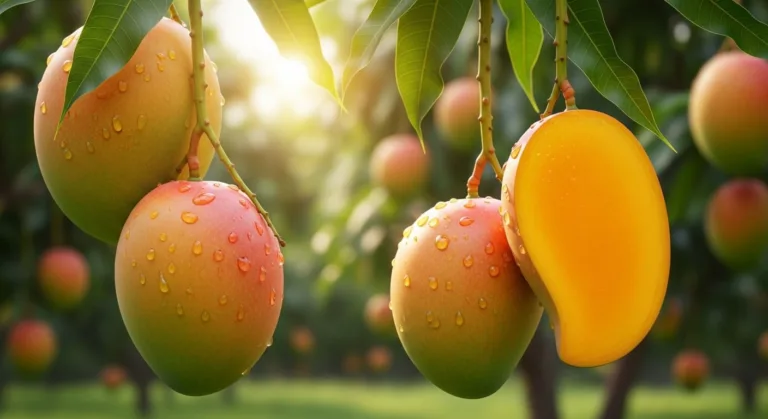
Picture this: you’re biting into a perfectly ripe mango on a hot summer day. The sweet, golden juice drips down your chin, and for a moment, nothing else matters. But have you ever stopped to think about what makes this fruit so incredibly special? Mangoes aren’t just delicious, they’re actually one of the most fascinating fruits on the planet!
Here’s something that might surprise you: mangoes have been around for thousands of years, they’re grown in over 100 countries, and they’re loved by billions of people worldwide. In fact, more mangoes are eaten globally than apples and bananas combined! From the streets of Pakistan to the markets of Mexico, mangoes have captured hearts and taste buds everywhere.
Today, we’re going to explore three mind-blowing facts about mangoes that’ll make you appreciate this golden fruit even more. Whether you’re already a mango superfan or you’ve only tried them a few times, get ready to discover some seriously cool stuff about the king of fruits!
Fact #1: Mangoes Are Ancient Royalty with a 4,000-Year History
Let’s start with a fact that’ll blow your mind: mangoes have been around for more than 4,000 years! That’s right, people were enjoying mangoes long before the pyramids of Egypt were completed, before the Roman Empire existed, and way before anyone invented smartphones or pizza delivery.
The mango originally comes from South Asia, particularly the region that includes modern-day India, Pakistan, and Bangladesh. Ancient texts and writings from thousands of years ago mention mangoes as a prized fruit enjoyed by kings and emperors. In fact, mangoes were considered so valuable that they were often given as royal gifts! Imagine that, a fruit so special that rulers would present them to other rulers as a sign of respect and friendship.
Here’s where it gets even cooler. When explorers and traders traveled the world centuries ago, they brought mango seeds with them on their journeys. It’s like mangoes went on their own world tour! Portuguese explorers carried them to Africa and Brazil, while other traders introduced them to Southeast Asia and the Philippines. Today, you can find mango trees growing in tropical and subtropical regions all around the globe, from Florida to Australia to Thailand.
In places like Multan, Pakistan (home to Multanfarms.com), mangoes have become such an important part of the culture that the city is actually nicknamed the “City of Mangoes.” That’s like being so good at something that it becomes part of your identity! The mango varieties grown in Multan are famous throughout Pakistan and beyond for their incredible sweetness and flavor.
Fact #2: Mangoes Are Nutritional Powerhouses Disguised as Candy
Now here’s a fact that’ll make you feel great about eating mangoes: they’re absolutely packed with nutrients and vitamins that your body needs. It’s like nature created the perfect healthy snack that just happens to taste like candy! When you eat a mango, you’re not just satisfying your sweet tooth, you’re giving your body a serious nutritional boost.
One cup of mango contains almost an entire day’s worth of Vitamin C, which is the same vitamin you get from oranges. Vitamin C helps your immune system fight off colds and keeps your skin healthy and glowing. It’s like having a tiny shield protecting you from getting sick! Mangoes also contain tons of Vitamin A, which is super important for good eyesight. So when your parents tell you to eat your vegetables to see better, you can say, “I’m eating mangoes instead!”
But wait, there’s more! Mangoes are loaded with antioxidants, which are special compounds that protect your cells from damage. Think of antioxidants as tiny bodyguards inside your body, fighting off harmful stuff that could make you sick. Some studies have even shown that the antioxidants in mangoes might help reduce the risk of certain diseases as you get older.
Here’s the really awesome part: unlike a candy bar or soda that gives you a quick sugar rush and then makes you crash, mangoes contain natural sugars along with fiber. Fiber is like the brakes on your body’s sugar absorption, it slows things down so you get steady energy instead of a spike and crash. Plus, fiber helps your digestive system work smoothly. One mango can give you up to 3 grams of fiber, which is like giving your stomach a workout!
Fact #3: There Are Over 1,000 Different Mango Varieties Worldwide
Hold on to your hat for this one: scientists estimate there are more than 1,000 different varieties of mangoes growing around the world! That’s like having 1,000 different flavors of the same fruit. Each variety has its own unique taste, color, size, and texture. Some are super sweet, others are slightly tart, some are as small as a plum, while others can weigh up to five pounds!
Let’s talk about some famous varieties you might encounter. In Pakistan, the Sindhri mango from Sindh province is legendary for its honey-like sweetness and vibrant yellow color. The Chaunsa mango, grown in areas like Multan, is so beloved that people plan their entire summer around its harvest season! It’s got a rich, creamy texture that melts in your mouth. Then there’s the Anwar Ratol, a smaller mango that packs an incredibly intense sweet flavor, kind of like a flavor bomb in a tiny package.
Different countries have their own champion varieties too. India produces the Alphonso, which many people call the “king of mangoes” because of its saffron-colored flesh and complex flavor. In Thailand, people go crazy for Nam Dok Mai mangoes, which are bright yellow and super sweet. Mexico grows the Ataulfo (also called honey or champagne mango), which is small, golden, and creamy. It’s like every region has developed its own special version of perfection!
Here’s what makes this diversity so cool: farmers and scientists are constantly working to develop new varieties that taste better, resist diseases, or grow in different climates. It’s like Pokemon, there are already a ton of varieties, but new ones keep appearing! Some varieties are perfect for eating fresh, while others are better for making smoothies, chutneys, or dried mango snacks.
Why Mangoes Matter Beyond Their Deliciousness
Now that you know these three amazing facts, you might be thinking, “Okay, mangoes are old, healthy, and come in tons of varieties, but so what?” Well, here’s the thing: mangoes matter way more than you might think. They’re not just a tasty treat, they’re an important part of the economy for millions of farmers around the world.
In countries like Pakistan, India, Thailand, and Mexico, mango farming provides jobs and income for entire communities. When you buy mangoes, especially from places like Multanfarms.com that work directly with growers, you’re supporting families who’ve been cultivating these fruits for generations. It’s like being part of a global community that values good food and sustainable farming.
Mangoes also bring people together. Think about the last time you shared sliced mangoes with friends or family on a hot day. Or maybe you’ve celebrated special occasions with mango-based desserts or drinks. In many cultures, the mango harvest season is a time of celebration and joy, kind of like how some people celebrate apple picking in the fall, except it’s way more tropical and delicious!
Your Mango Adventure Starts Now
So there you have it, three incredible facts about mangoes that make this fruit truly special. They’ve survived and thrived for 4,000 years, they’re packed with nutrients that keep you healthy, and they come in an amazing variety of flavors and types. The next time you enjoy a mango, you’ll know you’re eating a piece of history, getting a nutritional boost, and tasting one of over 1,000 unique varieties.
Whether you grab a Chaunsa from Multan, an Alphonso from India, or whatever variety you can find at your local market, you’re now part of the ancient and ongoing love story between humans and mangoes. So here’s a challenge for you: try to taste as many different mango varieties as you can find. Keep track of which ones you like best and why. Who knows? You might discover your new favorite fruit, or at least have a delicious time trying! What’s the most interesting mango variety you’ve ever tasted, or what variety do you want to try next?