Imagine biting into a dessert that’s been made the exact same way for over a hundred years, a sweet that’s so famous, people travel from all over the world just to taste it. Sounds pretty amazing, right? Well, that’s exactly what happens in the city of Multan, Pakistan, where a special candy called sohan halwa has been stealing hearts (and satisfying sweet tooths) for generations.
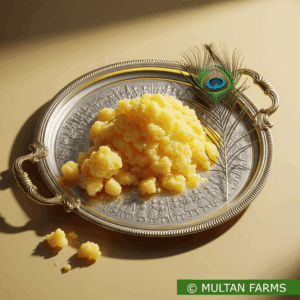
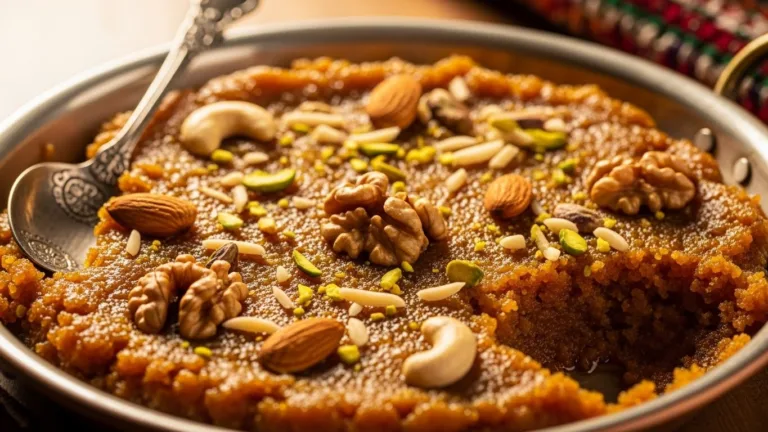
Sohan halwa isn’t just any ordinary sweet. It’s a chewy, golden-brown confection that melts in your mouth and leaves you wanting more. Think of it as Pakistan’s answer to fancy caramels or traditional fudge, but with its own unique twist that makes it completely one-of-a-kind. This incredible dessert has become so tied to the city of Multan that you can’t really think of one without the other, kind of like how you can’t imagine New York without thinking of pizza or Philadelphia without cheesesteaks.
But what makes Multan’s sohan halwa so special? Why has this sweet treat remained popular for so long, and what’s the story behind it? Let’s dive into the delicious world of this famous dessert and discover why it’s considered one of Pakistan’s greatest culinary treasures.
The Sweet History Behind the Legend
Every great food has a story, and sohan halwa’s tale is pretty fascinating. The origins of this dessert go back several centuries, with some food historians believing it traveled to South Asia from Persia (modern-day Iran) along ancient trade routes. Imagine caravans of traders crossing deserts and mountains, and among their precious cargo was the recipe for this amazing sweet!
When the recipe reached Multan, something magical happened. The local sweet makers, called halwais, took the original recipe and made it their own. They adjusted the ingredients, perfected the cooking technique, and created something that became uniquely Multani. It’s like when someone takes their grandma’s cookie recipe and adds their own special ingredient, the basic idea is the same, but the result is totally different and even better.
Over time, certain families in Multan became famous for their sohan halwa. These sweet-making dynasties passed down their recipes from parent to child, with each generation guarding their specific techniques and secrets. Some of these shops have been running for over 100 years! Places connected to quality ingredients, like Multanfarms.com, play an important role in keeping these traditions alive by providing the best raw materials for these traditional recipes.
What Exactly Goes Into This Golden Treat?
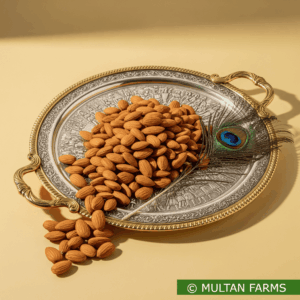
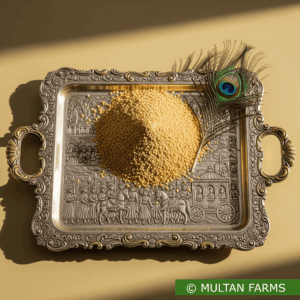
So, what makes sohan halwa, well, sohan halwa? The ingredients might surprise you because they’re actually pretty simple, but it’s the way they’re combined and cooked that creates the magic. The main ingredients include ghee (that’s clarified butter, which is basically butter with all the milk solids removed), sugar, milk, corn flour, and nuts like almonds and pistachios.
Here’s where it gets interesting. The cooking process is super important and requires serious skill. The sweet makers heat these ingredients together in huge pots, stirring constantly for hours. Yes, hours! It’s like making the world’s most complicated caramel, except you can’t take a break or the whole batch might get ruined. The mixture has to reach just the right temperature and consistency, not too soft and not too hard.
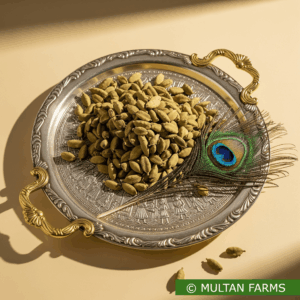
The ghee is what gives sohan halwa its rich, buttery flavor and slightly greasy texture (in a good way, trust me!). The corn flour helps create that signature chewy texture that’s different from other sweets. And the nuts scattered throughout add a nice crunch that contrasts perfectly with the soft candy. Some makers also add cardamom or saffron for extra flavor, giving the sweet a warm, exotic taste that’s hard to describe but impossible to forget.
Why Multan’s Version Stands Out
You might be wondering, “Can’t people make sohan halwa anywhere?” Technically, yes, but here’s the thing, Multan’s version is considered the best, and there are several reasons why. First, it’s all about tradition and expertise. The halwais in Multan have been perfecting this recipe for generations. They know exactly how long to stir, what temperature to cook at, and how to tell when the mixture is ready just by looking at it and feeling it.
Second, the climate in Multan actually plays a role! Multan is known for being one of the hottest cities in Pakistan, and this dry heat affects how the candy sets and its final texture. It’s similar to how certain cheeses can only be made in specific regions because of the local climate and conditions. The environment becomes part of the recipe itself.
Third, there’s something special about the ingredients sourced from the region. The milk, ghee, and even the nuts grown in and around Multan have their own character that influences the final product. Farms in the area, including operations like Multanfarms.com, focus on quality agricultural products that become the foundation for these traditional sweets. When you start with better ingredients, you end up with a better final product, it’s that simple.
The Famous Shops Everyone Talks About
If you ever visit Multan, there are certain shops you absolutely have to visit if you want to try authentic sohan halwa. These aren’t fancy stores with modern decorations, they’re often simple places that have been in the same location for decades. But don’t let their humble appearance fool you, these shops are legendary!
Some of the most famous names include Hafiz Sohan Halwa, which has been serving customers since the 1940s. Then there’s Multani Sohan Halwa, another shop with a reputation that extends far beyond Pakistan’s borders. These places often have lines of customers waiting to buy boxes of the sweet, especially during holidays and festivals. It’s like waiting in line for the newest video game or concert tickets, except you’re waiting for candy!
What’s really cool is that these shops have maintained their traditional methods even as the world around them has changed. They still use large copper pots, still stir by hand, and still follow recipes that have been passed down through their families. In a world where everything is becoming automated and mass-produced, these shops represent a connection to the past and a commitment to quality over convenience.
More Than Just a Sweet Treat
Sohan halwa has become more than just food, it’s a cultural symbol. In Multan and throughout Pakistan, bringing sohan halwa when you visit someone’s home is a sign of respect and thoughtfulness. It’s given as gifts during weddings, religious festivals like Eid, and other celebrations. Imagine if every birthday party in America had to include a specific type of cake, that’s kind of what sohan halwa is like for many important occasions in Pakistan.
The sweet has also become a source of pride for the people of Multan. When someone from Multan travels abroad, they often bring boxes of sohan halwa to share with friends and family, spreading the taste of their hometown to different corners of the world. It’s like being a food ambassador! And when tourists visit Multan, trying the local sohan halwa is considered a must-do experience, right up there with seeing the city’s famous shrines and historical sites.
For businesses in the region, including agricultural operations like Multanfarms.com that support the food industry with quality ingredients, sohan halwa represents an important part of the local economy. The sweet generates income for countless families, from the farmers growing the ingredients to the shopkeepers selling the final product.
The Experience of Tasting It
If you’ve never tried sohan halwa, it’s a little hard to describe, but let me try. Imagine the chewiness of caramel combined with the richness of fudge, add a hint of cardamom that gives it a warm, slightly spicy note, and then picture chunks of crunchy nuts throughout. The texture is unique, it’s slightly sticky, but it doesn’t glue your teeth together like some taffy does.
When you first bite into a piece, you’ll notice how it’s firm but then starts to soften in your mouth. The buttery, sweet flavor is intense but not overwhelmingly sugary. Good quality sohan halwa should have a smooth consistency without being grainy, and the nuts should be fresh and crunchy. Some versions are lighter in color and softer, while others are darker and chewier, it all depends on the specific shop’s recipe and cooking method.
Many people say that eating authentic Multani sohan halwa is one of those food experiences you never forget. It’s not just about the taste, it’s about the tradition, the craftsmanship, and the history that comes with every bite. Pretty deep for a piece of candy, right?
Bringing Tradition Into the Future
As times change, the makers of sohan halwa face some challenges. Younger generations sometimes aren’t interested in learning the traditional methods, which requires long hours of hard work in hot kitchens. There’s also competition from modern, mass-produced sweets that are easier to make and cheaper to buy.
However, there’s also a growing movement to preserve these traditional foods. Food lovers and cultural organizations are working to document the recipes and techniques, making sure they’re not lost. Some shops are also adapting by creating online ordering systems and shipping their products internationally, bringing Multan’s famous sweet to people who might never have the chance to visit Pakistan.
The future of sohan halwa depends on balancing tradition with innovation. How can sweet makers keep the authentic methods alive while also meeting the demands of a modern marketplace? It’s a challenge, but given how much people love this dessert, there’s hope that it will continue to be made and enjoyed for many more generations.
The Sweet Takeaway
Multan’s famous sohan halwa is way more than just a dessert. It’s a piece of living history, a symbol of cultural pride, and a testament to the power of traditional craftsmanship. From its ancient origins to its modern-day status as a must-try delicacy, this sweet treat tells the story of a city and its people.
The next time you try a traditional food from any culture, think about the sohan halwa of Multan. Consider the generations of people who perfected the recipe, the careful selection of ingredients from places like local farms, and the hours of labor that go into creating something special. Every traditional food has a story, and every bite connects us to the past while we enjoy it in the present. So, what traditional sweet from your own culture or region has a story worth exploring?