Have you ever looked at the rotis on your plate and wondered what they’re really made of? Most of us know that flour comes from wheat, but there’s actually a whole world of different flours out there. One type that’s becoming super popular in Pakistani households is multigrain atta. But what exactly is it, and why are so many families switching to it?
Multigrain atta isn’t just regular wheat flour with a fancy name. It’s actually a blend of different grains mixed together to create a more nutritious and flavorful flour. Think of it like a superhero team where each grain brings its own special power to the mix! Instead of relying on just one grain, multigrain atta combines the best parts of several grains to give you more vitamins, minerals, and energy.
In this article, we’re going to explore what makes multigrain atta so special, why it’s becoming a kitchen staple, and how it can actually make a difference in your daily life. Whether you’re helping your mom make rotis or just curious about what you’re eating, understanding multigrain atta will give you a whole new appreciation for the food on your plate.
What Exactly Goes Into Multigrain Atta?
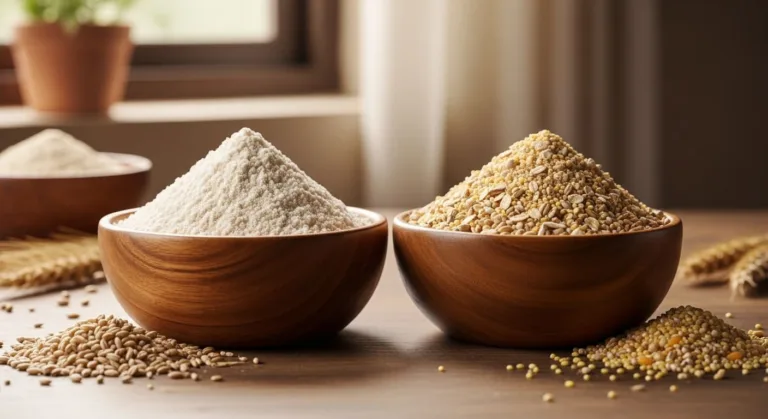
So what’s actually inside this special flour? Multigrain atta typically contains a mix of different grains like wheat, oats, barley, millet, and sometimes even seeds like flaxseed or sesame. Each ingredient brings something unique to the table. Wheat gives you the basic structure and familiar taste you’re used to. Oats add extra fiber that helps your digestive system work smoothly. Barley brings vitamins that help your body turn food into energy.
The cool thing about multigrain atta is that it’s like getting multiple nutrients in one package. Imagine if you had to eat five different types of bread to get all the good stuff your body needs. That would be way too much food, right? With multigrain atta, you get benefits from several grains all mixed into one roti or paratha. It’s nature’s version of a multivitamin!
At Multanfarms.com, we understand that quality matters when it comes to what your family eats. That’s why multigrain atta from trusted sources contains carefully selected grains that are cleaned, processed, and blended to give you the perfect balance of nutrition and taste. It’s not just about throwing random grains together, there’s actually science behind creating the right mix.
How Is Multigrain Atta Different from Whole Wheat Flour?
You might be thinking, “Wait, isn’t whole wheat flour already healthy?” And you’re absolutely right! Whole wheat flour is definitely nutritious. But here’s the difference: whole wheat flour comes from just one grain, wheat. Multigrain atta, on the other hand, is like upgrading from a solo performance to a full band concert.
Regular whole wheat atta gives you fiber, protein, and important minerals like iron and magnesium. But when you add other grains into the mix, you’re multiplying those benefits. For example, adding millet to the blend brings in more calcium, which is super important for building strong bones. Adding oats increases the fiber content even more, which helps keep you feeling full longer. It’s like comparing a plain cheese pizza to one loaded with vegetables, both are good, but one gives you way more variety in nutrients.
Another big difference is the taste and texture. Multigrain atta often has a slightly nuttier, richer flavor compared to regular wheat flour. Some people say it makes rotis taste more interesting and less boring. The texture can also be a bit different, usually a little denser and more filling. This means when you eat a roti made from multigrain atta, you might feel satisfied with less food because it’s more nutritious and filling.
Why Are People Switching to Multigrain Atta?
There are tons of reasons why families across Pakistan are making the switch to multigrain atta. First and foremost, it’s about health. We hear a lot these days about eating better and taking care of our bodies, and choosing multigrain atta is one simple way to do that. It’s not about going on a strict diet or giving up foods you love. It’s about making a small change that can have big benefits over time.
Think about it like this: if you walk to school instead of getting a ride, you’re getting exercise without even trying. Similarly, when your family switches to multigrain atta, you’re getting extra nutrition without changing what you eat. You’re still enjoying your favorite rotis, parathas, and chapatis, but now they’re packed with more goodness. It’s a win-win situation!
Another reason people love multigrain atta is that it helps with energy levels. The mix of different grains means your body gets a steady release of energy throughout the day, instead of a quick spike and crash. This is especially helpful for students like you who need to stay focused during long school days. Instead of feeling super energetic right after breakfast and then tired by third period, multigrain rotis help keep your energy more balanced.
What Are the Real Health Benefits You Should Know About?
Let’s get into the actual benefits you’ll experience from eating multigrain atta. First up is fiber, and lots of it! Fiber is like a broom for your digestive system, it helps sweep everything through and keeps things running smoothly. When you eat foods high in fiber, you’re less likely to feel bloated or uncomfortable. Plus, fiber helps control blood sugar levels, which means you won’t get those crazy hunger pangs an hour after eating.
Second, multigrain atta is packed with vitamins and minerals that your growing body needs. B vitamins help your brain function better, which can actually improve your concentration and memory. Iron helps carry oxygen throughout your body, giving you more stamina for sports and activities. Magnesium supports your muscles and helps you sleep better at night. It’s like having a tiny maintenance crew inside your body, making sure everything works perfectly!
Third, the protein content in multigrain atta is usually higher than regular flour. Protein is essential for building and repairing muscles, which is super important when you’re growing and active. Whether you play cricket, football, or just run around with friends, your body needs protein to stay strong. Getting it from your daily rotis is way easier than trying to eat extra chicken or eggs at every meal.
Finally, multigrain atta has a lower glycemic index compared to refined white flour. The glycemic index is basically a measure of how quickly food raises your blood sugar. Lower is better because it means more stable energy and less chance of feeling sluggish. Think of it like the difference between burning paper (which flares up quickly and dies out fast) and burning wood (which gives steady heat for a long time). Multigrain atta is the wood in this comparison!
How Can You Start Using Multigrain Atta at Home?
Making the switch to multigrain atta is actually super easy. You don’t have to change your entire kitchen or learn new recipes. You can use multigrain atta in exactly the same way you use regular wheat flour. Make rotis, parathas, puris, or even use it for coating pakoras. The cooking process is identical, though you might notice the dough feels slightly different because of the various grains mixed in.
Here’s a pro tip: if you’re not sure about switching completely, start by mixing multigrain atta with your regular wheat flour. Use half and half at first, so the taste and texture aren’t too different from what you’re used to. As you get comfortable with it, you can gradually increase the amount of multigrain atta. It’s like dipping your toes in the pool before jumping in, you’re easing into the change instead of making a dramatic switch.
When you buy multigrain atta from trusted sources like Multanfarms.com, you’re getting a product that’s already perfectly blended and ready to use. You don’t have to worry about mixing different grains yourself or figuring out the right proportions. It’s all done for you, making it super convenient for busy families. Just store it in an airtight container in a cool, dry place, and it’ll stay fresh for weeks.
Does Multigrain Atta Really Taste Good?
This is probably the biggest question on your mind, right? After all, what’s the point of eating something healthy if it tastes like cardboard? The good news is that multigrain atta actually tastes great! Sure, it’s a little different from regular wheat flour, but different doesn’t mean bad. Many people actually prefer the richer, nuttier flavor once they get used to it.
The taste can vary depending on which grains are included in the mix. Some multigrain attas have a mild, slightly sweet taste because of grains like jowar or bajra. Others might have a heartier, more earthy flavor. The key is finding a brand or blend that works for your family’s taste preferences. At Multanfarms.com, the goal is to create multigrain atta that’s both nutritious and delicious, so you don’t have to compromise on either.
One cool thing is that the flavor of multigrain atta actually goes really well with traditional Pakistani dishes. Whether you’re eating it with saag, daal, or curry, the nutty taste complements the spices and flavors perfectly. Some families even say that multigrain rotis taste better with their favorite dishes because they add an extra layer of flavor instead of just being bland and neutral.
Making Smart Food Choices for Your Future
Choosing multigrain atta over regular flour might seem like a small decision, but it’s actually part of building healthy habits that’ll stick with you for life. When you grow up eating nutritious foods, it becomes normal for you. You’re basically setting yourself up for a healthier future without even realizing it. It’s like practicing a sport when you’re young, the skills you build now will help you later.
The best part? You don’t have to give up the foods you love. You’re not eating weird diet food or skipping meals. You’re simply upgrading the quality of what’s already on your plate. Your mom’s parathas will still be delicious, your rotis will still be soft and warm, and your favorite meals will taste just as good, maybe even better! You’re just giving your body more of what it needs to grow strong and healthy.
Plus, when you understand why multigrain atta is good for you, you can make other smart food choices too. You’ll start noticing ingredients, reading labels, and thinking about what you’re putting into your body. This kind of awareness is super valuable and will help you make good decisions throughout your life. Knowledge is power, and now you have the knowledge to choose better!
The Bottom Line on Multigrain Atta
So, what makes multigrain atta different from regular flour? It’s all about variety and nutrition. By combining multiple grains instead of relying on just wheat, you get a powerhouse of vitamins, minerals, fiber, and protein in every roti. It’s an easy way to upgrade your family’s nutrition without making dramatic changes to your diet or daily routine.
Whether you’re studying for exams, playing sports, or just growing up, your body needs quality fuel to perform at its best. Multigrain atta from sources like Multanfarms.com gives you that fuel in a tasty, convenient package. It’s not about being on a diet or following a trend, it’s about making a smart, simple choice that benefits your health now and in the future. Why not talk to your family about giving multigrain atta a try? You might be surprised at how much better you feel when you’re eating food that truly nourishes your body!