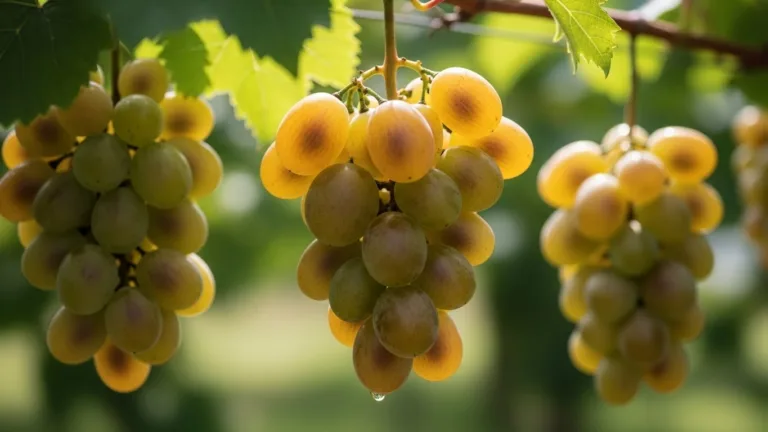
Picture this: you’re walking through a bustling fruit market in Pakistan on a warm summer day, and you spot clusters of gorgeous, golden-green grapes hanging from vendors’ stalls. These aren’t just any ordinary grapes, they’re Sundar Khani grapes, one of Pakistan’s most beloved and delicious grape varieties! With their crispy crunch, sweet flavor, and beautiful appearance, these grapes have earned a special place in Pakistani hearts (and stomachs) for generations. But what makes them so special, and why don’t more people around the world know about them?
Here’s something cool: while you might be familiar with grapes from the grocery store, Pakistan actually grows some of the most amazing grape varieties in the world, and Sundar Khani is definitely near the top of that list. This variety has a unique story that connects farmers, families, and fruit lovers across the country. From the sun-baked vineyards where they grow to the dinner tables where families enjoy them, Sundar Khani grapes are more than just a snack, they’re part of Pakistan’s agricultural heritage.
In this article, we’re going on a journey to discover everything about Sundar Khani grapes in Pakistan. We’ll explore where they come from, what makes them taste so good, how farmers grow them, and why they matter to both local communities and places like Multanfarms.com. Get ready to learn about a fruit that’s sweet, crunchy, and packed with interesting facts!
Where Do Sundar Khani Grapes Actually Grow in Pakistan?
If you want to find the best Sundar Khani grapes in Pakistan, you need to head to specific regions where the climate is just right. Pakistan isn’t just deserts and mountains, it has some incredibly fertile areas perfect for growing fruits! The main grape-growing regions include Balochistan (especially around Quetta and Pishin), parts of Punjab, and Khyber Pakhtunkhwa. These areas have something special: hot, sunny days and cool nights, which is exactly what grape vines love.
Think of it like Goldilocks and her porridge, grapes need conditions that are “just right.” Too much rain and the grapes become watery and lose their sweetness. Too little water and the vines can’t produce good fruit. The regions where Sundar Khani grapes thrive have a semi-arid climate, which means they get enough water from irrigation (farmers bringing water to the fields) but not too much rainfall. The temperature swings between day and night also help these grapes develop their signature crispness and concentrated sweetness.
Balochistan, particularly the Quetta valley, is famous throughout Pakistan for producing top-quality grapes, including Sundar Khani. The rocky, mineral-rich soil and high altitude (Quetta sits at about 1,680 meters above sea level!) create perfect growing conditions. Farmers in these regions have been perfecting their grape-growing techniques for generations, passing down knowledge from parents to children about exactly when to water, when to prune, and when to harvest for maximum flavor.
What Makes Sundar Khani Grapes Different from Other Varieties?
You might be thinking, “Aren’t all grapes basically the same?” Not even close! Sundar Khani grapes have their own personality that sets them apart from other varieties. First off, let’s talk about appearance. These grapes are typically golden-green to light amber in color when fully ripe, and they grow in medium to large-sized bunches that look absolutely gorgeous hanging from the vine. Each individual grape is oval-shaped and plump, with a thin but firm skin.
But the real magic happens when you bite into one! Sundar Khani grapes are known for being super crispy and crunchy, almost like biting into a tiny, juicy apple. That satisfying crunch is actually because they have firm flesh and just the right amount of juice inside. They’re also wonderfully sweet without being too sugary, with a mild, pleasant flavor that doesn’t overwhelm your taste buds. Some people describe them as having a delicate, almost honey-like sweetness that makes you want to eat just one more (and then another, and another!).
Another cool feature? These grapes are seedless or have very tiny, barely noticeable seeds, which makes them perfect for snacking. Nobody likes crunching into a big, bitter seed when they’re enjoying grapes! This characteristic makes Sundar Khani grapes especially popular with kids and adults alike. Compared to some other Pakistani grape varieties like Hussaini or Perlette, Sundar Khani strikes a perfect balance between sweetness, texture, and appearance, making them a favorite in local markets.
How Do Pakistani Farmers Grow These Amazing Grapes?
Growing Sundar Khani grapes isn’t as simple as throwing some seeds in the ground and waiting! It takes skill, patience, and a lot of hard work. Pakistani grape farmers are basically grape artists who spend the whole year caring for their vines to produce that perfect harvest. The process starts in winter when farmers prune the grape vines, which means cutting back old growth to help the plant focus its energy on producing quality fruit in the coming season.
As spring arrives, new shoots start growing from the vines, and this is when farmers need to be super attentive. They set up trellises (support structures that look like fences or overhead frames) to train the vines to grow in the right direction. Imagine trying to organize hundreds of wild, twisting plants, that’s basically what farmers do! They also need to carefully manage water through irrigation systems, giving the vines consistent moisture without overdoing it.
Summer is showtime for Sundar Khani grapes! As the fruit develops, farmers watch carefully for pests and diseases that could damage the crop. They might use natural methods or careful treatments to protect their grapes. The harvest season typically runs from late June through August, depending on the specific location and weather conditions that year. Harvesting is done by hand, with workers carefully cutting each bunch with sharp tools to avoid bruising the delicate fruit. At places like Multanfarms.com, understanding these growing processes helps connect consumers with the hard work and dedication that goes into producing quality grapes.
Why Are These Grapes So Important to Pakistan’s Fruit Industry?
Sundar Khani grapes aren’t just tasty, they’re actually a big deal for Pakistan’s economy and farming communities! Grape farming provides income for thousands of families, especially in regions like Balochistan where other crops might struggle in the dry climate. When farmers have a good grape harvest, it means they can support their families, send their kids to school, and invest in their farms for future seasons.
Pakistan produces a lot of grapes each year, we’re talking about hundreds of thousands of tons! While not all of these are Sundar Khani, this variety makes up a significant portion of what’s grown. These grapes mostly stay within Pakistan, sold in local fruit markets from Karachi to Islamabad, but there’s growing interest in exporting them to other countries. The challenge is that fresh grapes are delicate and need careful handling and quick transportation, which can be tricky.
Here’s something interesting: grapes also create jobs beyond just farming! There are people who transport the grapes, vendors who sell them in markets, and even workers who process some grapes into raisins or grape juice. It’s like a whole ecosystem built around this one fruit! Supporting Pakistani grape farmers by buying locally grown varieties like Sundar Khani helps keep these communities thriving and preserves traditional farming knowledge that’s been developed over centuries.
What’s the Best Way to Enjoy Sundar Khani Grapes?
Okay, so you’ve got your hands on some fresh Sundar Khani grapes, now what? The simplest and most popular way is to eat them fresh, just wash them and pop them in your mouth! Their natural sweetness and crunch make them a perfect healthy snack, way better than chips or candy. Many Pakistani families keep a bowl of grapes on the table during summer months for everyone to munch on.
But there are other cool ways to enjoy them too! Some people freeze Sundar Khani grapes and eat them as a refreshing frozen treat on super hot days, it’s like nature’s popsicle. You can also add them to fruit salads where their firm texture holds up well, or use them as a sweet topping for yogurt or desserts. In Pakistani cuisine, grapes sometimes appear in fancy rice dishes called pulao, where their sweetness balances savory flavors.
Grapes are also pretty healthy for you! They’re packed with natural sugars that give you quick energy, plus they contain vitamins like vitamin C and vitamin K. They also have antioxidants (those are special compounds that help protect your body’s cells) and fiber that’s good for digestion. Of course, like anything, it’s best to enjoy them in moderation as part of a balanced diet. Pro tip: store your Sundar Khani grapes in the refrigerator to keep them fresh and crispy longer, they can last up to a week if you take good care of them (though they’re so delicious they probably won’t last that long!).
How Can We Support Pakistani Grape Farmers and This Tradition?
Here’s something you might not think about often: every time you choose to buy local, seasonal fruit like Sundar Khani grapes, you’re making a difference! Supporting Pakistani farmers who grow traditional varieties helps preserve agricultural diversity, which is a fancy way of saying we keep different types of crops alive instead of everyone growing just one or two popular varieties.
When you buy from sources like Multanfarms.com that connect with local farmers, you’re helping ensure these farmers get fair prices for their hard work. This is super important because when farming is profitable, young people are more likely to continue the tradition instead of leaving rural areas for cities. It keeps farming knowledge alive and maintains the connection between people and the land that produces their food.
You can also spread the word! If you try Sundar Khani grapes and love them, tell your friends and family. Share information about where your food comes from and why it matters. The more people know about and appreciate varieties like Sundar Khani, the more likely they’ll continue to be grown. It’s kind of like how talking about your favorite band helps them stay popular, the same principle works for food! Supporting local agriculture also means fresher food for you since it doesn’t travel as far, and it’s better for the environment because it requires less transportation.
Wrapping It Up: The Sweet Story of Sundar Khani Grapes
So there you have it! Sundar Khani grapes in Pakistan are so much more than just another fruit option at the market. They’re a product of perfect growing conditions, generations of farming expertise, and the dedication of hardworking agricultural communities. From the sun-drenched vineyards of Balochistan to dinner tables across Pakistan, these crispy, sweet grapes tell a story about tradition, quality, and the amazing diversity of foods our world produces.
These golden-green beauties represent what’s possible when farmers work in harmony with their environment and climate. They’re a reminder that some of the best things come from understanding local conditions and respecting traditional knowledge. Whether you’re already a fan or just learning about them for the first time, Sundar Khani grapes deserve recognition as one of Pakistan’s special agricultural treasures. Companies like Multanfarms.com play an important role in connecting these wonderful products with people who appreciate quality, locally-grown food.
Next time you’re enjoying some grapes, take a second to think about the journey they took to reach you, the farmers who tended the vines, the perfect combination of sun and soil, and the hands that carefully harvested each bunch. Pretty amazing, right? Here’s a final question for you: what other local foods from your area do you think deserve more recognition and appreciation? What makes them special?