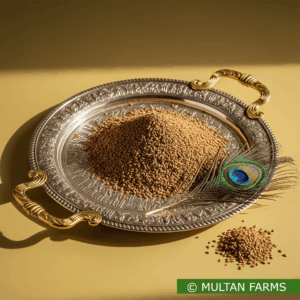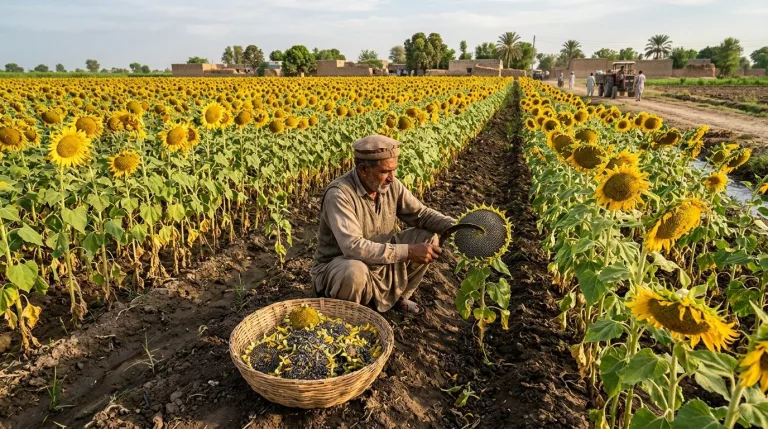
Sunflowers are hard to miss. Their tall stalks and bright yellow heads turn toward the light across Pakistan’s agricultural plains, making them one of the most recognisable crops in the field. But the real value of the sunflower plant is not the flower itself, it is the small, oil-rich seeds packed inside each head. Sunflower seeds in Pakistan have grown from a niche oilseed crop into one of the country’s most strategically important agricultural commodities, and understanding why tells you a great deal about where Pakistani agriculture is heading.
Pakistan’s edible oil shortfall is well documented. The country imports billions of rupees worth of cooking oil every year to meet domestic demand, creating both a financial burden and a supply vulnerability. Sunflower cultivation, done at meaningful scale, directly addresses that gap, because sunflower seeds produce a light, heart-healthy oil suited for everyday cooking. The crop also comes with a relatively fast growing cycle and manageable input costs, making it accessible for small and medium-scale farmers who want a reliable cash crop.
Where Sunflower Seeds Are Grown in Pakistan
Sunflower cultivation in Pakistan is concentrated in regions where the climate and soil conditions align well with the crop’s specific needs. Punjab accounts for the largest share of national production, with districts like Faisalabad, Sargodha, and Multan recording significant cultivation during the spring season. Sindh also contributes meaningfully, particularly in its northern districts where canal irrigation supports the water requirements of the crop.
Sunflowers are grown in two main seasons in Pakistan. The spring crop, planted from February to March, typically delivers better yields because temperatures during the grain-filling stage remain moderate. The autumn crop, planted between July and August, serves farmers looking to use land between their main Kharif and Rabi rotations. Sunflowers need full sun exposure, well-drained loamy soil, and consistent moisture at critical growth stages, all of which Pakistan’s irrigated plains can reliably provide when irrigation infrastructure is managed well.
The Nutritional Value Packed into Every Seed
A single sunflower seed is a concentrated package of nutrition that most people underestimate. Sunflower seeds are rich in Vitamin E, a powerful antioxidant that protects cells from oxidative damage and supports skin health over time. They also deliver meaningful amounts of magnesium, selenium, phosphorus, and B-complex vitamins, alongside a fat profile dominated by healthy polyunsaturated and monounsaturated fats.
A standard 30-gram serving provides around 165 calories, 6 grams of protein, and 14 grams of fat. That fat composition is one reason nutritionists frequently recommend sunflower seeds as a snacking option over heavily processed alternatives. For Pakistani households trying to balance daily nutrition with affordability, sunflower seeds represent genuine value in a compact, shelf-stable form.
Sunflower Oil and Pakistan’s Edible Oil Gap
The primary reason Pakistan cultivates sunflowers at scale is for sunflower oil. The seeds contain between 38 and 48% oil by weight, making them one of the most productive oilseed crops available to Pakistani farmers. The oil extracted is light in colour, neutral in flavour, and carries a high smoke point, which makes it excellent for frying, sautéing, and general everyday cooking.
Pakistan’s edible oil industry currently relies heavily on imported palm oil and soybean oil. Increasing domestic sunflower cultivation is part of the ongoing agricultural policy conversation because it offers a locally grown alternative that reduces import dependence. Brands producing sunflower oil in Pakistan draw from both local farms and imported seed, but as local production grows, that balance has a clear path toward benefiting Pakistani farmers more directly.
How Sunflower Seeds Are Used Beyond Oil Extraction
Oil extraction is the dominant industrial use, but sunflower seeds have a broader role in Pakistani food culture that does not always receive enough attention. Roasted sunflower seeds, sold with or without shells, are a popular snack across Punjab’s markets and urban food stalls. They are consumed the way pumpkin seeds or peanuts might be, casually and affordably, as a filling option that carries genuine nutritional substance.
Beyond snacking, sunflower seeds find their way into several other important applications:
- Bakery and confectionery products, where they add texture and nutritional density to breads, biscuits, and energy bars
- Poultry and livestock feed, with the seed meal left after oil pressing containing 28 to 32% protein, making it a valuable and cost-effective feed supplement
- Birdseed blends, where sunflower seeds form the backbone of most commercial wild bird feed products
The crop’s by-products are as commercially useful as the seeds themselves, which gives sunflower farming a strong whole-crop economics profile compared to many alternatives.
Challenges Pakistani Sunflower Farmers Still Face
Despite the crop’s clear potential, sunflower farming in Pakistan operates against some persistent constraints. Water requirements are moderate but non-trivial, and farmers in rain-fed areas without reliable irrigation struggle during the critical flowering and seed-filling stages. Yield losses in dry years are a recurring problem that better water infrastructure would substantially reduce.
Pest pressure is another real challenge. The sunflower moth (Homoeosoma electellum) and fungal diseases including Alternaria leaf blight can significantly cut yields when not managed proactively through proper crop monitoring and timely intervention. Hybrid sunflower varieties, developed specifically for Pakistani growing conditions by institutions like NIAB (Nuclear Institute for Agriculture and Biology) in Faisalabad, show meaningfully better disease resistance and higher oil content than older open-pollinated types. Farmer adoption of certified hybrid seed is increasing, though it remains below what the crop’s full potential demands.
Price volatility at harvest is the third persistent problem. When global edible oil prices fall, local sunflower prices follow, and farmers who lack storage infrastructure are forced to sell immediately at whatever the market offers. Building post-harvest storage capacity and connecting growers to longer-term procurement agreements would go a long way toward stabilising the financial case for sunflower cultivation at the farm level.
Where Pakistan’s Sunflower Sector Is Headed
Pakistan’s sunflower seed production fluctuates between 150,000 and 250,000 metric tonnes annually depending on planted area and seasonal conditions. That output covers only a fraction of the country’s edible oil demand, which means substantial room exists to grow both the cultivated area and the yield per acre through better variety adoption and agronomy support.
Government seed subsidy programmes and ongoing research from agricultural institutions are gradually improving farmer access to better-performing varieties. With stronger market linkages, improved advisory services, and investment in post-harvest infrastructure, Pakistan’s sunflower sector has a credible path toward significantly higher contribution to the national edible oil supply over the coming decade.
Sunflower seeds represent an agricultural opportunity where the nutritional value, the industrial utility, and the domestic economic case all point in the same direction. Pakistan has the land, the climate, and the demand to make sunflower cultivation a far larger part of its agricultural future. The remaining question is whether the infrastructure and policy support can keep pace with the crop’s potential.
For more insight into Pakistan’s agricultural crops and regional food heritage, visit Multanfarms.com and explore content rooted in the farming traditions of the Multan region.