Picture this: you’re sitting down with a warm cup of tea on a chilly morning, watching the steam rise from your mug. Have you ever stopped to think about where those little tea leaves actually came from? They didn’t just magically appear in that tea bag! Before reaching your kitchen, those leaves grew on a tea farm, probably on the side of a misty mountain thousands of miles away. Tea farms are some of the most beautiful and fascinating agricultural operations in the world, and they’ve been feeding our tea obsession for literally thousands of years.
Here’s something that might blow your mind: tea is the second most consumed drink on the planet, right after water! Every single day, people around the world drink about 2 billion cups of tea. That’s a lot of tea leaves! Whether it’s green tea, black tea, white tea, or oolong, it all comes from the same plant grown on tea farms. The differences in taste and color come from how the leaves are processed after they’re picked, kind of like how the same tomato can become ketchup, salsa, or pasta sauce depending on what you do with it.
In this article, we’ll explore the incredible world of tea farms, from how tea plants grow to why location matters so much, and even discover how places like Multanfarms.com are bringing tea cultivation to new regions. Get ready to learn about one of the world’s oldest and most important crops!
Where Do Tea Farms Actually Grow?
When you think of tea farms, you might imagine exotic locations like China, India, or Japan, and you’d be absolutely right! These countries have been perfecting tea farming for centuries. But here’s what makes tea farming locations so special: tea plants are pretty picky about where they’ll grow well.
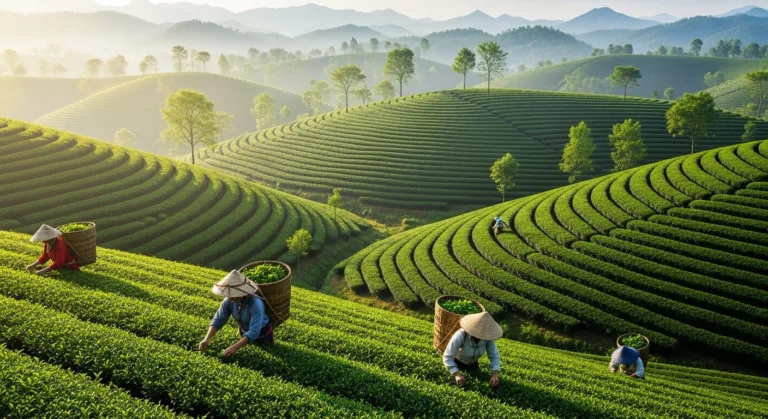
Tea plants love three main things: plenty of rainfall, well-drained soil (meaning water doesn’t just sit there and make everything muddy), and specific temperatures. They grow best in tropical and subtropical climates where it’s warm but not blazing hot. That’s why you’ll find most of the world’s tea farms on mountainsides in places like the Himalayas, the hills of Sri Lanka, or the misty regions of Kenya. The altitude, which means how high up the mountain you are, actually affects how the tea tastes!
What’s really cool is that tea farming is expanding to new places around the world, including regions you might not expect. Some innovative farms are experimenting with growing tea in different climates and conditions, finding creative ways to give tea plants what they need. Places like Multanfarms.com are exploring how tea cultivation can work in various environments, proving that with the right knowledge and care, tea farming isn’t limited to just traditional regions.
How Does a Tea Plant Actually Grow?
A tea plant, whose scientific name is Camellia sinensis (try saying that five times fast!), is actually an evergreen shrub. Left to grow wild, it could become a tree up to 50 feet tall! But on tea farms, workers keep them trimmed to about waist height, kind of like how you’d trim a hedge. This makes it way easier for workers to reach the leaves they need to pick.
Growing tea from scratch takes serious patience. When farmers plant a new tea bush from a seed or cutting, they have to wait about three to five years before they can start harvesting leaves. That’s like waiting from 2nd grade until 7th grade just to get your first cup of tea! But once a tea plant matures, it can keep producing leaves for 50 years or even longer. Some tea plants in China are hundreds of years old and still making delicious tea.
The most valuable leaves are the newest, youngest ones at the very top of the plant. These tender young leaves and the unopened buds create the highest quality tea. Think of it like picking strawberries, you want the perfectly ripe ones, not the old mushy ones or the super hard green ones. Tea farmers have to know exactly the right moment to harvest to get the best flavor.
What’s a Day Like on a Tea Farm?
Working on a tea farm is incredibly hard work, but it’s also sort of an art form. In many traditional tea farms, especially those producing premium teas, the leaves are still picked by hand. Workers walk through the rows of tea bushes with large baskets strapped to their backs, carefully plucking the newest leaves with their fingers. An experienced tea picker can harvest around 30 to 35 kilograms of tea leaves in a single day. That might sound like a lot, but here’s the wild part: those leaves will shrink down to only about 7 to 8 kilograms of dried tea!
The picking process is called plucking, and there’s actually a technique to it. The best method is called “two leaves and a bud,” where workers pick the newest bud and the two youngest leaves right below it. This creates the most flavorful tea. Some tea farms use machines for harvesting, which is much faster and cheaper, but hand-picking is still preferred for high-quality teas because machines can’t be as selective.
After the leaves are picked, the real magic happens. The leaves go through different processes depending on what kind of tea the farm wants to make. They might be dried in the sun, roasted in big pans, rolled into specific shapes, or fermented (which means letting them sit while natural chemical changes happen). It’s kind of like how grapes become wine, except the final product is way less likely to get you in trouble at school!
Why Does Location Change How Tea Tastes?
Here’s something tea lovers get really excited about: the exact same tea plant can produce completely different tasting tea depending on where it’s grown! This concept is called terroir (pronounced “tare-WAHR”), which is a fancy French word that basically means “sense of place.” It includes everything about a location: the soil, climate, altitude, rainfall, and even the fog patterns.
For example, tea grown high up in the mountains tends to grow more slowly because of the cooler temperatures. This slower growth actually makes the flavors more complex and interesting, kind of like how slow-cooked food often tastes better than microwaved food. Tea from the Darjeeling region of India, grown at high altitudes in the Himalayan foothills, tastes completely different from tea grown in the flat, hot lowlands of Assam, even though they’re both in India!
The soil composition matters too. Volcanic soil, like you’d find in parts of Japan or Kenya, gives tea different mineral flavors compared to the clay-rich soils of other regions. Even the amount of mist and fog makes a difference because it affects how much direct sunlight the plants receive. It’s like how your mood might be different on a sunny day versus a cloudy one, except for plants, it actually changes their chemical makeup!
How Are Modern Tea Farms Becoming More Sustainable?
Sustainability is a big deal in modern tea farming, and that means finding ways to grow tea that don’t harm the environment or use up resources that future generations will need. Traditional tea farming sometimes involved clearing huge areas of forest and using lots of chemical pesticides and fertilizers. But smart farmers are finding better ways to do things.
Many tea farms now practice organic farming, which means they don’t use synthetic chemicals. Instead, they might use natural pest control methods, like encouraging birds and beneficial insects to eat the bugs that damage tea plants. Some farms plant other trees and plants alongside their tea bushes, creating a more natural ecosystem. This approach is called agroforestry, and it’s like creating a mini-forest where tea plants are just one part of a bigger, healthier environment.
Water conservation is another huge focus. Tea plants need a lot of water, but farms are getting creative about how they use it. Some use drip irrigation systems that deliver water directly to the plant roots instead of spraying it everywhere and wasting it. Others collect rainwater in special systems and use it during drier periods. Places like Multanfarms.com are exploring innovative approaches to sustainable agriculture, showing that modern farming can be both productive and environmentally responsible.
Can You Visit a Tea Farm or Even Grow Tea Yourself?
If you’re fascinated by tea farms, you’ll be happy to know that many of them welcome visitors! Tea tourism is becoming super popular, especially in countries like Sri Lanka, Japan, and China. Visitors can walk through the tea gardens, watch workers picking leaves, see the processing facilities, and of course, taste freshly made tea. Some farms even let you try picking tea leaves yourself (though don’t expect to be as fast as the professionals!).
But here’s something even cooler: you can actually try growing your own tea plant at home! While you probably can’t create a full tea farm in your backyard, tea plants can grow in pots as houseplants in many climates. You’ll need patience since it takes a few years before you can harvest any leaves, and you’ll need to keep the plant in the right conditions (they like humidity and don’t enjoy freezing temperatures). It’s a fun science project that connects you directly to what you’re learning about tea farming.
If you can’t grow your own or visit a tea farm in person, you can still learn a lot by trying different types of tea and paying attention to where they come from. Check the labels on tea boxes to see the region and country, and notice how teas from different places taste unique. It’s like being a tea detective, and your taste buds are the clues!
Wrapping It All Up
Tea farms are way more than just places where plants grow. They’re complex agricultural systems that blend tradition with modern science, hard work with artistry, and local environment with global demand. From the misty mountains of Asia to innovative operations like those at Multanfarms.com, tea farming continues to evolve while maintaining its ancient roots.
The next time you drink a cup of tea, whether it’s at breakfast or after school, take a moment to think about the incredible journey those leaves took to reach you. Someone carefully picked them by hand on a hillside somewhere, they were processed with knowledge passed down through generations, and they traveled across the world to end up in your cup. That’s pretty amazing when you think about it!
So here’s a question to leave you with: knowing everything you now know about tea farms, would you want to visit one someday, or maybe even try growing your own tea plant? What kind of tea would you want to taste straight from the farm?