Picture this: you’re sitting down to breakfast, cracking open a perfectly fresh egg into a hot pan. Or maybe you’re biting into a crispy piece of fried chicken at your favorite restaurant. Have you ever stopped mid-bite and wondered, “Where did this actually come from?” The answer is probably a poultry farm, but these farms are way more interesting and complex than you might imagine!
A poultry farm isn’t just a bunch of chickens wandering around a farmyard like you see in cartoons. Modern poultry farms are actually sophisticated operations that combine science, technology, and old-fashioned farming know-how to produce the eggs and chicken meat that millions of people depend on every single day. Some farms focus on raising chickens for meat, others specialize in egg production, and some do both! It’s basically like running a small city, except your residents have feathers and wake you up at dawn.
In this article, we’re going to take a behind-the-scenes tour of poultry farming. You’ll discover how these farms actually work, what a typical day looks like, the cool technology farmers use, and why poultry farming matters so much to our world. Trust me, after reading this, you’ll appreciate your breakfast eggs a whole lot more!
What Exactly Is a Poultry Farm and How Does It Work?
Let’s start with the basics. A poultry farm is a place where birds are raised commercially, which means they’re raised to be sold for food. While “poultry” can include turkeys, ducks, and quail, most poultry farms focus on chickens because they’re the most popular. These farms come in all different sizes, from small family operations with just a few hundred birds to massive commercial farms with 100,000 chickens or more!
There are two main types of chicken farms you should know about. Broiler farms raise chickens specifically for meat. These chickens grow super fast, usually ready for market in just 5-7 weeks! On the other hand, layer farms raise hens (female chickens) that produce eggs. A good laying hen can produce around 300 eggs per year, which is pretty amazing when you think about it. That’s almost one egg every single day!
The way a poultry farm operates is kind of like a carefully choreographed dance. Everything has to happen at the right time and in the right way. Chickens need the perfect temperature (not too hot, not too cold), the right amount of food and water, clean living spaces, and protection from diseases. Farmers use a combination of experience, science, and increasingly, technology to make sure their birds stay healthy and productive. It’s way more complicated than just tossing some grain on the ground and hoping for the best!
A Day in the Life of a Poultry Farmer
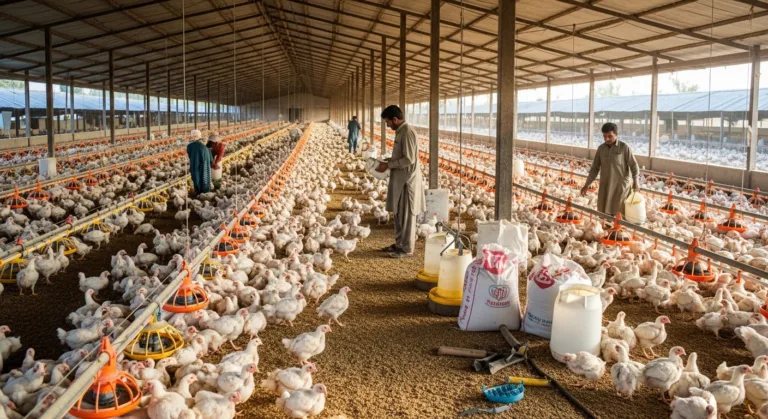
Ever wondered what poultry farmers actually do all day? Well, their work starts early, really early! Most farmers are up before sunrise because chickens are early risers too. The first job of the day is usually checking on the birds to make sure everyone made it through the night safely. Farmers walk through the chicken houses looking for any sick birds, checking that feeders and water systems are working properly, and making sure the temperature is just right.
Feeding time is a huge part of the daily routine. Modern poultry farms usually have automatic feeding systems that deliver the perfect amount of food at scheduled times throughout the day. But farmers still need to monitor these systems and make sure every bird is getting enough to eat. The feed itself is specially formulated, kind of like a nutritious smoothie for chickens, with the right balance of grains, proteins, vitamins, and minerals to keep the birds healthy and growing strong.
Cleaning is another massive task. You might not think about it, but chickens produce a lot of waste, and keeping their living areas clean is crucial for preventing disease. Farmers regularly clean out bedding material, disinfect surfaces, and make sure ventilation systems are working to keep the air fresh. It’s similar to how you have to clean your room regularly, except on a much bigger and smellier scale! The afternoon might involve collecting eggs (on layer farms), checking equipment, keeping records, or working with veterinarians to maintain the flock’s health. Being a poultry farmer is definitely not a 9-to-5 job!
The Amazing Technology Behind Modern Poultry Farms
If you think poultry farming is old-fashioned and low-tech, prepare to have your mind blown! Modern poultry farms use some seriously cool technology that would make your science teacher jealous. Let’s start with climate control systems. Chickens are pretty picky about temperature, they don’t like it too hot or too cold. Modern chicken houses have automated systems that adjust heating, cooling, and ventilation to keep conditions perfect 24/7. Some even have sensors that monitor temperature in different zones and make adjustments automatically!
Then there’s the feeding technology. Many farms use automated feeding lines that look like something from a sci-fi movie. These systems can deliver precise amounts of feed to thousands of birds at once, making sure each chicken gets exactly what it needs to grow properly. Some advanced farms even use apps and computer programs to track how much each section of birds is eating and adjust the formula if needed. It’s like having a smart cafeteria that knows exactly what nutrients each student needs!
Health monitoring has gotten high-tech too. Some farms use sensors and cameras with artificial intelligence to watch the birds and detect problems early. These systems can spot if a chicken is moving differently (which might mean it’s sick), if the flock is too crowded in one area, or if something’s wrong with the environment. There are even farms experimenting with robots that can move through chicken houses collecting data! And let’s not forget about egg collection systems on layer farms, where eggs gently roll onto conveyor belts and get automatically sorted, cleaned, and packed. It’s like watching a super-efficient assembly line, except the product is breakfast!
What Do Chickens Actually Eat and Need to Stay Healthy?
You might think chickens just eat whatever scraps they can find, but farm chickens actually get a carefully planned diet that would put some human meal plans to shame! Poultry feed is scientifically designed to give birds everything they need to grow and stay healthy. The main ingredient is usually corn or wheat, which provides energy, kind of like how carbs give you energy to run around during gym class.
But chickens need more than just grains. Their feed also includes protein sources like soybean meal, which helps them build muscle and, for laying hens, produce eggs. Vitamins and minerals are added too, things like calcium (super important for laying hens to make strong eggshells), phosphorus, and various vitamins. Some farms even add probiotics, which are good bacteria that help chickens digest their food better. It’s basically the chicken version of taking a daily multivitamin!
Besides food, chickens need plenty of clean, fresh water. In fact, chickens drink about twice as much water as they eat in feed! Modern farms use automated watering systems with special drinkers called nipple waterers that chickens can peck to release water. This keeps the water clean and reduces waste. Chickens also need space to move around, proper lighting (which affects their eating and laying patterns), and protection from predators and disease. When you add it all up, taking care of chickens is like being responsible for thousands of pets at once, each with specific needs!
The Challenges Poultry Farmers Face Every Day
Running a poultry farm isn’t all sunshine and freshly laid eggs. Farmers face some pretty serious challenges that can make or break their business. One of the biggest worries is disease outbreaks. When thousands of birds live close together, illnesses can spread incredibly fast, like how a cold goes through your classroom in winter but way more serious. Diseases like avian influenza (bird flu) can wipe out entire flocks and force farmers to start over from scratch, losing tons of money in the process.
That’s why biosecurity is absolutely critical. This fancy word basically means keeping germs and diseases away from the farm. Farmers have strict rules about who can enter chicken houses, they might require visitors to shower and change clothes before going in! Vehicles get disinfected, workers wear special boots, and wild birds are kept away from the farm. It might seem extreme, but when you’re responsible for thousands of birds and people’s livelihoods, you can’t take chances.
Money challenges are real too. Feed prices go up and down based on grain harvests and global markets. Electricity costs can be huge because of all that climate control equipment running 24/7. And farmers have to compete with other farms on price while still making enough profit to stay in business. It’s like trying to run a lemonade stand where your lemons might suddenly cost twice as much, but you can’t charge more because the stand next door kept their prices the same! Add in challenges like extreme weather, equipment breakdowns, and changing consumer preferences, and you can see why poultry farming requires tough, smart people who can solve problems quickly.
Why Poultry Farms Matter More Than You Think
Okay, so why should you care about all this? Because poultry farms play a absolutely huge role in feeding the world! Chicken is actually the most consumed meat globally, and eggs are one of the most affordable sources of high-quality protein you can find. For families on tight budgets, chicken and eggs provide crucial nutrition without breaking the bank. That makes poultry farms essential for food security, which means making sure everyone has access to enough nutritious food.
Poultry farming also creates tons of jobs. We’re not just talking about farmers, there are people who work in hatcheries where baby chicks are born, feed mills that make chicken food, processing plants, transportation companies, veterinary services, and more. In agricultural regions, the poultry industry might be one of the biggest employers around! It’s like how one car factory creates jobs not just for assembly line workers, but also for parts suppliers, truck drivers, salespeople, and mechanics.
There’s also an environmental angle to consider. Modern poultry farming is actually pretty efficient at converting feed into food for humans compared to other types of meat production. Chickens need less water and land than cattle, and they produce less greenhouse gases. Of course, farms still need to be responsible about managing waste and using resources wisely, but the industry is working on becoming even more sustainable. Some farms are even using chicken waste as fertilizer or converting it to energy! Pretty cool when you think about it, right?
What Does the Future Hold for Poultry Farming?
The poultry industry isn’t standing still, it’s constantly evolving and improving. One exciting trend is the move toward animal welfare standards that give chickens more space and better living conditions. Some farms are switching to cage-free systems where hens can move around freely, perch, and behave more naturally. While this costs more and makes eggs more expensive, lots of consumers are willing to pay extra for eggs from happier chickens.
Technology will keep advancing too. We’re already seeing farms experiment with things like artificial intelligence that can predict health problems before they become serious, drones that monitor large outdoor flocks, and even virtual reality training for farm workers! In the future, your breakfast eggs might come from chickens whose every need is monitored by smart sensors and optimized by computers. Some researchers are even working on ways to reduce the environmental impact of poultry farming through better feed formulas and waste management systems.
There’s also growing interest in local, small-scale poultry farming as people become more curious about where their food comes from. Some folks are even raising a few chickens in their own backyards! While large commercial farms will always be needed to feed millions of people, this renewed interest in small-scale farming helps people appreciate the work that goes into producing their food. It connects us back to where our meals come from, which is something many people have lost touch with in our modern world.
Wrapping It All Up
So there you have it, the fascinating world of poultry farming! From the crack of dawn feeding routines to high-tech monitoring systems, from carefully formulated feed to strict biosecurity measures, modern poultry farms are complex operations that blend tradition with innovation. These farms work incredibly hard to provide affordable, nutritious food to millions of people every single day.
Next time you enjoy scrambled eggs for breakfast or chicken strips for lunch, take a second to think about the journey that food took to reach your plate. Behind that meal is a farmer who probably woke up before you did, technology that keeps thousands of birds healthy and comfortable, and an entire industry working to feed the world efficiently and responsibly. It’s pretty amazing when you stop and think about it! So here’s a question for you: knowing what you know now, would you ever want to visit a poultry farm and see this fascinating operation in action? What part of poultry farming surprised you the most?