Imagine walking through a bustling Pakistani market right now, in early January. The air is cool and crisp, and you’re surrounded by colorful piles of fresh fruits and vegetables. But here’s something cool, the produce you see today is completely different from what you’d find if you visited the same market in July! That’s because Pakistan, like every country, goes through different seasons, and each season brings its own special harvest.
So what exactly is the current season in Pakistan, and what does that mean for the amazing fruits and vegetables growing across the country? Right now, as we’re in early January 2026, Pakistan is in the middle of winter. But don’t let the word “winter” fool you, this is actually one of the most exciting times for fresh produce! From juicy citrus fruits to crunchy vegetables, winter in Pakistan is a food lover’s dream come true.
In this article, we’ll explore what makes the current season so special, which crops are at their peak right now, and why understanding Pakistan’s seasons can help you enjoy the freshest, most delicious produce possible. Whether you’re planning your meals or just curious about where your food comes from, this is information that’ll make you appreciate every bite!
Understanding Pakistan’s Winter Season
Pakistan’s winter season typically runs from December through February, though the exact timing and intensity can vary depending on where you are in the country. Right now in January, we’re right in the heart of winter! But here’s what makes Pakistani winters interesting, they’re not like the freezing, snowy winters you might see in movies set in Europe or North America.
In most parts of Pakistan, winter means cooler temperatures during the day (usually between 15-20°C or 59-68°F) and chilly nights that can drop to around 5°C (41°F) or even lower in some areas. Northern regions like Murree, Swat, and parts of Balochistan do get snow, but the main agricultural areas experience what we’d call a “mild winter.” Think of it as nature’s perfect setting for growing certain types of crops that love cool weather but can’t handle extreme cold.
This moderate winter climate is actually a huge blessing for Pakistani agriculture. While some crops take a break during these months, many others absolutely thrive! The cooler temperatures, combined with occasional winter rains, create ideal growing conditions for a whole range of delicious fruits and vegetables that simply can’t grow during Pakistan’s hot summers.
Winter’s Star Performers: Citrus Fruits Take Center Stage
If there’s one category of produce that absolutely rules Pakistan’s winter season, it’s citrus fruits! Right now, markets across the country are overflowing with oranges, mandarins (kinoos), grapefruits, and lemons. These fruits are like winter’s gift to Pakistan, they’re at their absolute peak of sweetness and juiciness during these months.
The famous Kinoo, which is basically Pakistan’s superstar mandarin, reaches perfection in January. Grown primarily in Punjab’s citrus belt (areas around Sargodha, Bhalwal, and Toba Tek Singh), kinoos during this season are so sweet and easy to peel that they’re basically nature’s candy. At MultanFarms.com, winter citrus is a huge focus because this is when these fruits taste their absolute best. The cool nights help the fruits develop more sugar, making them sweeter than they’d ever be in warmer months.
Grapefruits are another winter winner. They need the cool season to develop properly, and Pakistani grapefruits harvested in January are known for being less bitter and more balanced in flavor compared to those from warmer regions. It’s like the cool weather mellows them out and brings out their best qualities!
The Veggie Garden: Winter’s Crunchy Treasures
While fruits are grabbing attention, Pakistan’s winter vegetables are the real unsung heroes of the current season. Right now, farmers are harvesting some of the freshest, crunchiest vegetables you’ll find all year. The cool weather creates perfect growing conditions for leafy greens and root vegetables that would simply wilt and die in summer’s heat.
Cauliflower and cabbage are absolutely thriving right now. These vegetables belong to a family of plants that love cool weather, and January is their moment to shine. Pakistani cauliflower grown during winter is firm, white, and has that perfect mild, slightly sweet flavor. Compare that to cauliflower grown in warmer months, it tends to be looser, slightly bitter, and just not as good. It’s like these vegetables were designed specifically for winter!
Carrots, turnips, and radishes are also at their peak. These root vegetables grow underground, and the cool soil temperatures during winter help them develop that perfect crispy texture and sweet flavor. Have you ever noticed how carrots taste sweeter in winter? That’s not your imagination! Cool temperatures actually cause these vegetables to convert more of their starches into sugars, making them naturally sweeter and more delicious.
Leafy greens like spinach, mustard greens (sarson), and various types of lettuce are everywhere right now. These plants can’t handle hot weather at all, they’d just bolt (which means they’d quickly go to seed and become bitter). But in winter’s cool embrace, they grow slowly and steadily, developing tender leaves packed with flavor and nutrients.
Strawberry Season: Winter’s Sweet Surprise
Here’s something that surprises a lot of people: Pakistan’s strawberry season happens during winter! That’s right, while many countries are waiting for spring or summer to enjoy fresh strawberries, Pakistan is harvesting these sweet red berries right now in January. It might seem backwards, but there’s a good reason for it.
Strawberries need cool weather to grow properly. They start flowering when temperatures are mild, and the fruits develop best when days are sunny but not hot, and nights are cool. Pakistani strawberry farms, particularly in areas around Islamabad, Swat, and parts of Sindh, time their planting so that the harvest falls right during these winter months. The result? Sweet, juicy strawberries that are perfect for eating fresh or making into jams and desserts.
The current season’s strawberries are especially good because the cool weather allows them to ripen slowly on the plant, which means they develop more flavor. Summer strawberries from other regions often have to be picked early and then shipped long distances, but winter strawberries in Pakistan can ripen fully before harvest, making them taste way better!
Why Eating With the Seasons Makes Sense
Now you might be wondering, why does it matter what season it is? Can’t we just import fruits and vegetables from other countries year-round? Well, technically yes, but here’s why eating seasonal produce, especially locally grown seasonal produce, is actually a really smart choice.
First, seasonal fruits and vegetables simply taste better. When produce is grown during its natural season, it develops better flavor, texture, and even more nutrients. A winter orange grown in Pakistan during January has had the perfect conditions to become sweet and juicy. An imported summer orange sitting in cold storage for weeks just can’t compete!
Second, seasonal produce is usually more affordable. When something is abundant and doesn’t have to be shipped from halfway around the world, the price goes down. During winter, you’ll find amazing deals on citrus fruits and winter vegetables because there’s plenty of supply. It’s like nature’s own sale season!
Finally, eating seasonally is better for the environment. Produce that’s grown locally and in season doesn’t require as much energy for heating greenhouses, cold storage, or long-distance transportation. When you buy winter vegetables from a local farm (or a farm-direct source like MultanFarms.com) during winter, you’re making a choice that’s good for your taste buds, your wallet, and the planet!
Planning Your Meals Around the Current Season
Knowing what’s in season right now can totally change how you think about food. In January, Pakistani families traditionally enjoy hearty meals that take advantage of winter produce. Think of warm soups made with fresh cauliflower, spinach cooked with garlic and spices, carrot halwa (a sweet dessert made from grated carrots), and fresh orange juice to start the day.
You can get creative with seasonal eating too! Try making a salad with fresh lettuce, radishes, and sweet winter carrots. Squeeze some fresh lemon juice on top, and you’ve got a meal that’s 100% aligned with Pakistan’s current season. Or blend fresh strawberries with yogurt for a smoothie that tastes like winter sunshine in a glass.
The cool thing about seasonal eating is that it naturally adds variety to your diet throughout the year. You won’t get bored eating the same things all the time because different seasons bring different options. Winter’s cauliflower and oranges will eventually give way to spring’s peas and apricots, then summer’s mangoes and melons, and finally autumn’s pomegranates and guavas. It’s like nature has its own meal plan worked out for us!
What’s Coming Next: Looking Ahead
As we move through January and into February, the current winter season will start transitioning toward spring. Some early spring vegetables like peas will start appearing in markets. The citrus season will begin winding down (though you’ll still find good citrus through February). It’s like watching one chapter of nature’s story end while another begins.
Understanding these seasonal transitions helps you appreciate and take advantage of what’s available right now. Those perfect kinoos you see in January? They won’t be around forever, so enjoy them while they’re at their peak! That sweet, crunchy cauliflower? Stock up and enjoy it in different recipes because come April, it’ll be gone until next winter.
The Bigger Picture: Seasons, Farming, and You
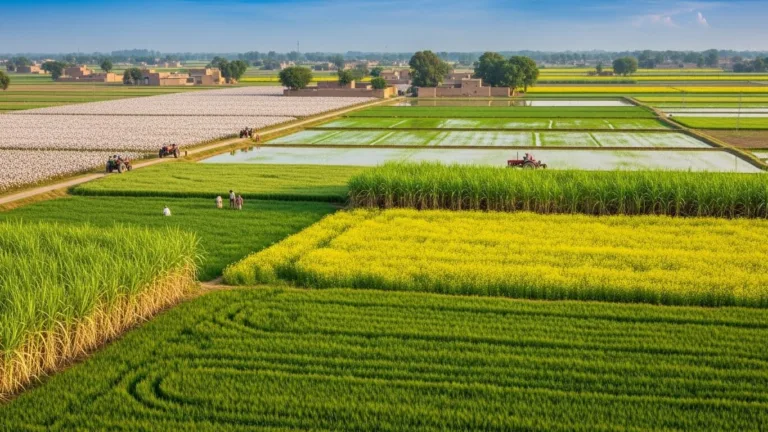
The current season in Pakistan isn’t just about what fruits and vegetables are available, it’s about understanding the incredible connection between climate, agriculture, and the food on your plate. Farmers work incredibly hard to time their planting and harvesting to align with Pakistan’s seasons, ensuring that crops get exactly what they need to thrive.
When you choose seasonal produce, you’re supporting these farmers and their deep knowledge of the land. You’re also connecting with a way of eating that humans have practiced for thousands of years, eating what naturally grows in your region during each particular time of year. There’s something pretty cool about that, knowing that the winter vegetables you’re eating today are the same types of vegetables your great-great-grandparents would have enjoyed during winter too.
So this January, as Pakistan experiences its cool winter season, take a moment to appreciate the amazing variety of fresh produce available right now. Whether you’re biting into a sweet kinoo, crunching on a fresh carrot, or enjoying a bowl of strawberries, you’re experiencing the best of what Pakistan’s current season has to offer. Pretty amazing, right?