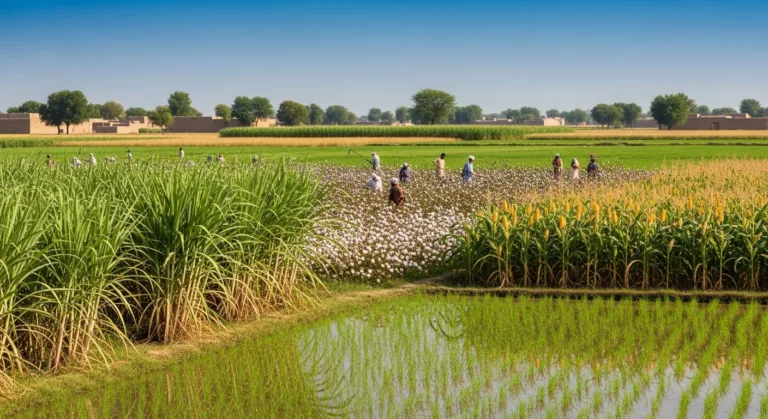
Have you ever bitten into a juicy mango on a hot summer day and wondered where it came from? Or maybe you’ve eaten sweet watermelon at a family picnic? If you’re in Pakistan, there’s a good chance those delicious treats came from farms right in your own country! Pakistan’s summer season, which stretches from April to September, is when farmers get incredibly busy planting crops that love the heat and sunshine.
But why does Pakistan grow different crops in summer versus winter? Well, it’s all about what plants need to thrive. Just like you might prefer swimming in summer and hot chocolate in winter, plants have their favorite seasons too! Summer crops in Pakistan are specially adapted to handle the scorching heat and intense sunlight. Let’s explore what’s growing in Pakistan’s fields when the temperature rises and why these crops are so important for the country and your dinner table.
The Mighty Rice: Pakistan’s Summer Staple
When you think of Pakistan’s summer crops, rice should be at the top of your list. Pakistan is actually one of the world’s biggest rice exporters, which means we grow so much rice that we sell it to other countries! The two main types grown here are basmati (the fragrant, long-grain rice your family probably uses for biryani) and IRRI varieties.
Rice plants are pretty unique because they actually grow best in flooded fields. You might see farmers standing in water up to their ankles, working in rice paddies that look more like shallow pools than regular fields. This is because rice has special roots that can breathe even when underwater. Most other plants would drown in those conditions! The provinces of Punjab and Sindh are where most Pakistani rice grows, particularly in areas where there’s plenty of water from rivers or irrigation systems.
The planting season for rice starts in May and June, right when summer heat kicks in. Farmers harvest their rice crops around October or November, after the plants have had months to soak up sunshine and grow tall. One rice plant can produce thousands of grains, which is pretty amazing when you think about it.
Cotton: The Crop That Clothes You
Here’s something cool to think about: that comfortable t-shirt you’re wearing right now? There’s a good chance it started as a fluffy white ball growing on a cotton plant in Pakistan’s summer fields! Cotton is such an important crop for Pakistan that the country is often called one of the world’s top cotton producers.
Cotton plants love hot weather, which is why they’re perfect for Pakistan’s summers. They need temperatures between 70°F and 95°F to grow well, and Pakistani summers definitely provide that! The plant produces beautiful flowers that eventually turn into cotton bolls (those fluffy white balls). When the bolls burst open, they reveal the soft cotton fibers inside that will eventually become your clothes, bed sheets, and even the cotton balls in your bathroom cabinet.
Punjab and Sindh are the main cotton-growing provinces, with farmers planting their crops in April and May. By September or October, the cotton is ready to pick. This crop doesn’t just give us clothes, it also supports millions of Pakistani families who work in cotton farming, textile factories, and the clothing industry.
Sugarcane: Sweet Success in the Heat
If you’ve ever enjoyed a glass of cold sugarcane juice from a street vendor, you know how refreshing it can be on a hot day. Sugarcane is another superstar of Pakistan’s summer agriculture. This tall, bamboo-like plant grows incredibly well in Pakistan’s climate and is the source of all the sugar you sprinkle on your cereal or stir into your tea.
What makes sugarcane special is that it’s basically a giant grass that stores sugar in its thick stems. When you bite into sugarcane (if you’ve ever tried it), you’re tasting the plant’s stored energy in the form of sweet juice. Farmers plant sugarcane between February and April, and the crop takes about a year to fully mature. The plant can grow up to 12 feet tall, which is probably twice your height or more!
Pakistan produces millions of tons of sugarcane every year, mostly in Punjab and Sindh. The crop needs a lot of water and sunshine, which is why it does so well in areas with good irrigation systems. After harvesting, the sugarcane is sent to sugar mills where it’s crushed and processed into the white or brown sugar you use every day.
Mangoes: The King of Summer Fruits
Let’s talk about everyone’s favorite part of Pakistani summers: mangoes! Pakistan grows over 200 varieties of mangoes, from the famous Chaunsa and Sindhri to Anwar Ratol and Langra. When summer arrives, mango trees across the country become loaded with fruit that’s so delicious, people call the mango the “king of fruits.”
Mango trees are actually planted years before they start producing fruit (it can take 3-5 years!), but once they start, they keep producing for decades. The trees bloom in spring, and by summer, the fruits are ready to pick. Different varieties ripen at different times throughout the summer, which is why you can enjoy fresh mangoes from May all the way through August.
Punjab, especially the areas around Multan (hey, that’s where Multanfarms.com is from!), is famous for producing some of the world’s best mangoes. The combination of hot days, cool nights, and fertile soil creates the perfect conditions for sweet, juicy mangoes. Pakistan exports mangoes to countries all over the world, sharing this delicious fruit with people who might never have tasted anything so good!
Vegetables That Love the Heat
Summer isn’t just about big crops like rice and cotton. Pakistani farmers also grow tons of vegetables that thrive in hot weather. Think about okra (bhindi), which gets tender and delicious when cooked. Or bottle gourd (lauki), bitter gourd (karela), and eggplant (baingan), all of which are summer vegetables that need warm temperatures to grow properly.
These vegetables are planted throughout the summer months and harvested quickly, sometimes in just 60-90 days. This is much faster than crops like rice or cotton! Farmers can often grow multiple batches of vegetables in a single summer, which means fresh produce keeps coming to markets week after week. The quick growing time also helps farmers earn money more regularly instead of waiting months for a single harvest.
Many of these summer vegetables are packed with nutrients that help keep you healthy, especially during hot weather when your body needs extra hydration and vitamins. The water content in vegetables like cucumber and bottle gourd helps keep you cool, while the vitamins support your immune system.
Why Summer Crops Matter for Pakistan
You might be wondering why we’re spending so much time talking about what farmers grow. Here’s the thing: summer crops aren’t just about food on your plate. They’re absolutely crucial for Pakistan’s economy and for feeding its population of over 240 million people!
Agriculture employs almost half of Pakistan’s workforce, which means millions of families depend on farming for their income. When summer crops do well, it helps the entire country’s economy. Successful harvests mean farmers can earn money, workers in related industries have jobs, and Pakistan can export products to other countries, bringing in foreign money.
Plus, many of these crops are connected to each other in interesting ways. Cotton, for example, produces seeds that are crushed to make cooking oil. The leftover material becomes cattle feed. Rice straw left after harvest can be used for animal bedding or even making paper. It’s like nature’s recycling system, where nothing goes to waste!
Wrapping It Up: Summer’s Agricultural Bounty
Pakistan’s summer crops are a perfect example of how farmers work with nature to grow the food and materials we need. From the rice in your biryani to the cotton in your clothes, from the sugar in your tea to the mangoes you eagerly wait for each year, summer agriculture shapes daily life in Pakistan in ways you might not have realized.
The next time you’re enjoying a summer meal or wearing your favorite cotton shirt, take a moment to think about the journey those items took from a seed planted in a field to your home. Behind every crop is a farmer who understood exactly when to plant, how much water to provide, and when to harvest. It’s a combination of traditional knowledge passed down through generations and modern farming techniques that help feed a nation.
So here’s a question for you: which summer crop do you think is the most important for Pakistan, and why? Is it rice because it feeds so many people, cotton because it creates jobs and exports, or mangoes because they’re delicious and make everyone happy? There might not be a single right answer, but thinking about it helps you appreciate the incredible work that happens in Pakistan’s fields every summer!