Have you ever bitten into a warm, golden flatbread that tastes slightly sweet and has a texture completely different from regular bread? If you have, you’ve probably tried something made with makai ata! This special flour has been feeding families for thousands of years, and it’s making a comeback in kitchens around the world. But what exactly is makai ata, and why should you care about it? Let’s dive into the world of this amazing golden flour that’s been hiding in plain sight.
Makai ata might sound like a mysterious ingredient, but it’s actually something you’ve seen before, just in a different form. It’s the flour made from corn, also called maize or makki in some parts of the world. Think about it: you’ve probably eaten corn on the cob at a barbecue or munched on popcorn at the movies. Well, makai ata is what you get when you dry those corn kernels and grind them into a fine powder. It’s like taking summer’s favorite vegetable and transforming it into something totally new!
Where Does This Golden Flour Come From?
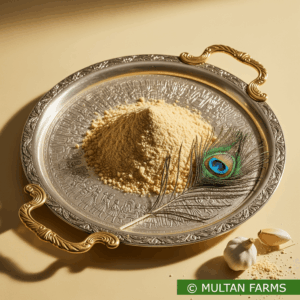
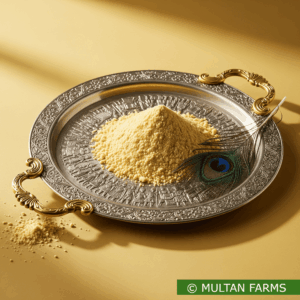
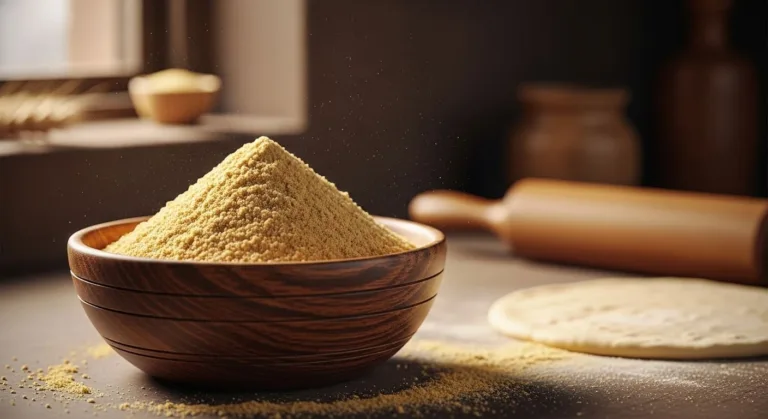
Makai ata comes from grinding the whole dried corn kernel into powder, which makes it different from regular cornstarch that only uses part of the kernel Tarla Dalal. Imagine taking a corn cob and letting it dry out completely in the sun, kind of like how raisins are made from grapes. Once the kernels are super dry and hard, they’re ground up into a powder that looks a bit like yellow sand.
Here’s something cool: makai ata is the second most produced and consumed flour in the world, right after wheat flour Tarla Dalal. That means billions of people use it regularly! In places like Punjab in northern India, Mexico, and parts of Africa and South America, this flour is as common in kitchens as regular flour is in yours. It’s been a staple food for centuries because corn grows really well in many different climates and doesn’t need as much water as some other crops.
Why Is Makai Ata Different From Regular Flour?
If you’ve ever tried to make bread with different types of flour, you know they don’t all behave the same way. Makai ata has some pretty unique qualities that make it stand out. First off, it’s naturally gluten-free TasteforlifeproductsHealthy Miller, which is a big deal for people who can’t eat gluten. Gluten is like the “glue” in wheat flour that makes dough stretchy and helps bread rise. Without it, makai ata works completely differently in cooking.
The texture is another giveaway. Makai ata has a coarser texture than wheat flour and a distinctive yellow color Tarla Dalal. It’s not as smooth and fine as the white flour you’re used to seeing. When you run it through your fingers, it feels a bit grainy, almost like very fine sand. This coarseness actually gives foods made with it a special texture that people love. Plus, it has a slightly sweet and earthy flavor that makes everything taste a little different from regular bread.
What Can You Make With This Magical Flour?
Now here’s where things get really interesting! Makai ata isn’t just for one type of food. It’s super versatile, which means you can use it in tons of different recipes. One of the most famous dishes is “makke di roti,” a traditional Indian flatbread that’s especially popular in northern India Tasteforlifeproducts. This bread is usually served with a spicy curry made from mustard greens, and trust me, it’s absolutely delicious when it’s hot off the stove with a pat of butter melting on top.
But that’s just the beginning. You can make crispy snacks like chatpata rings, soft dhoklas (a steamed cake-like snack), parathas (stuffed flatbreads), and even sweet treats Tarla Dalal. If you’ve ever eaten Mexican food, you’ve definitely had makai ata without knowing it! Tortillas, tacos, and nachos are all traditionally made with corn flour Tarla Dalal. That’s right – those crunchy tortilla chips you love at Mexican restaurants? They started with makai ata.
You can even use it in baking. Some people make cornbread, muffins, and pancakes with it. Because it doesn’t have gluten, the texture comes out a bit different, but many people actually prefer it. It gives baked goods a slightly crumbly texture and that sweet corn flavor that makes everything taste homemade and special.
Is Makai Ata Actually Good for You?
Let’s talk nutrition, because this flour isn’t just tasty, it’s also pretty good for your body. Makai ata is loaded with carbohydrates and fiber, which gives you energy and helps your digestive system work properly Tarla Dalal. Think of carbohydrates as fuel for your body, kind of like gas for a car. When you eat foods made with makai ata, you’re giving your body the energy it needs to get through your day, whether that’s playing sports, studying for tests, or just hanging out with friends.
It’s also a good source of magnesium, which is important for keeping your heartbeat steady and maintaining normal blood pressure Tarla Dalal. Plus, the fiber in makai ata can actually help lower cholesterol levels in your body. That might not seem important now, but developing healthy eating habits when you’re young makes a huge difference as you get older.
And remember that gluten-free thing we talked about earlier? That makes makai ata a great option for people with celiac disease or gluten sensitivity. These are conditions where eating gluten makes people sick, so having alternatives like makai ata means they can still enjoy bread, tortillas, and all sorts of delicious foods without getting sick.
How Do You Cook With Makai Ata?
Here’s something you should know: cooking with makai ata is a bit trickier than using regular flour because it doesn’t have gluten to hold everything together Tasteforlifeproducts. When you make dough with wheat flour, it becomes stretchy and elastic, almost like playdough. But makai ata dough is more crumbly and can break apart more easily. That’s why many traditional recipes mix it with a little wheat flour or use special techniques to keep it from falling apart.
For example, when making makki ki roti, you need to use warm water and knead the dough really well to get it to stick together. Some people even pat the dough into shape by hand instead of using a rolling pin because it’s so delicate. Once you get the hang of it, though, it’s not that hard. And the reward – that fresh, warm, golden bread with its unique flavor – is totally worth the effort.
Why Should You Try Makai Ata?
In a world where we’re always looking for healthier food options and trying to be more environmentally conscious, makai ata checks a lot of boxes. It’s made from the whole corn kernel, including the hull and germ, making it a whole grain flour Amazon that gives you more nutrients than refined white flour. Plus, corn is a crop that can grow in many different conditions, making it a sustainable choice.
If you’re someone who loves trying new foods from different cultures, makai ata opens up a whole world of recipes you’ve never tried before. From Indian flatbreads to Mexican tortillas to African porridges, this one ingredient connects you to cuisines from all around the globe. How cool is that?
The Bottom Line on This Golden Flour
Makai ata might seem like just another type of flour, but it’s actually a window into different cultures, a healthier alternative to some refined flours, and a chance to experiment with new flavors and textures in your cooking. Whether you’re trying to eat gluten-free, want to explore foods from around the world, or just love the sweet, earthy taste of corn, this golden flour has something to offer.
Next time you’re at a grocery store or browsing online at sites like Multanfarms.com, keep an eye out for makai ata. It might be labeled as corn flour, maize flour, makki ka atta, or makai ka atta, but they’re all the same thing. Pick up a bag and try making some simple tortillas or a batch of cornbread. Who knows? You might discover your new favorite food! What dish would you try making first with this amazing golden flour?