Imagine biting into a juicy, sweet grape on a hot summer day. That burst of flavor is amazing, right? But have you ever stopped to wonder when and how those grapes actually grow? It’s not like they just magically appear in the grocery store! Grapes have a fascinating growing cycle that depends heavily on the seasons, and understanding it can help you appreciate that snack in your lunchbox even more.
Grapes are one of the oldest cultivated fruits in the world, and people have been growing them for thousands of years. From Pakistan to California to France, grape farmers know that timing is everything. Plant them at the wrong time or in the wrong season, and you might not get any grapes at all! The season when grapes grow isn’t just important for farmers, it also affects when you can find the freshest, tastiest grapes at your local market.
In this article, we’re going to explore the secret life of grapes and discover exactly which seasons they need to thrive. You’ll learn about the different stages of grape growth, why climate matters so much, and how places like Multan in Pakistan have become famous for their delicious grapes. Get ready to become a grape expert!
The Grape Growing Calendar: A Year in the Life
Let’s start with the big question: in which season do grapes actually grow? The answer is that grapes go through different stages during different seasons, but the main growing and ripening happens in spring and summer. Think of it like your school year, different things happen in different quarters, but the most important tests and projects usually come in specific months.
In early spring (around March and April in many places), grapevines wake up from their winter sleep. This is called the budding stage, and it’s when tiny green buds start popping out on the vines. It’s like the plant is stretching and yawning after a long nap! During this time, the weather needs to be just right, not too cold and not too hot.
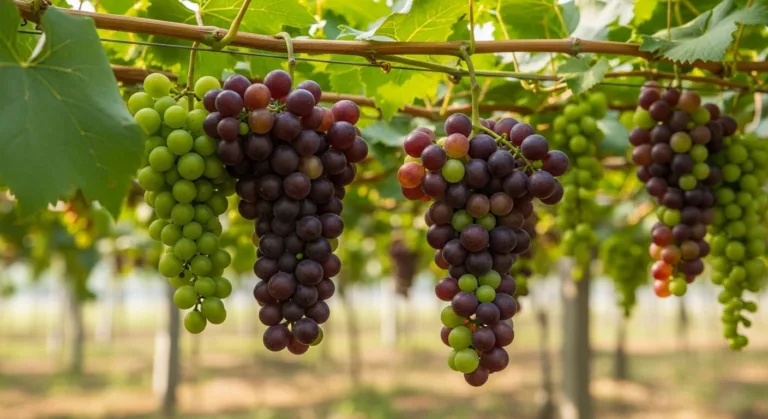
As spring turns into summer, the real magic begins. The grapevines flower, and then those flowers turn into tiny baby grapes. Throughout the summer months (May through August in most regions), these grapes grow bigger and bigger. They soak up sunshine, drink water from their roots, and slowly change from hard, green little balls into the sweet, colorful grapes you love. By late summer or early fall, they’re ready to be picked and enjoyed!
Why Summer Is a Grape’s Best Friend
You might be wondering, why do grapes love summer so much? Well, grapes are sun-worshippers! They need lots and lots of sunshine to develop their sweetness. When you eat a super sweet grape, you’re basically tasting bottled sunshine. The more sun the grapes get during summer, the more sugar they produce inside their juicy flesh.
Here’s a cool way to think about it: imagine you’re trying to charge your phone. If you only plug it in for a few minutes, it won’t charge much. But if you leave it plugged in for hours, it gets fully charged. Grapes work similarly with sunlight! They need those long, sunny summer days to “charge up” with sugar and flavor. In places like Multan, Pakistan, where summers are hot and sunny, grapes can get plenty of this natural charging time.
Summer also provides the warm temperatures that grapes need to grow properly. Most grape varieties prefer daytime temperatures between 70°F and 90°F (21°C to 32°C). Too cold, and the grapes won’t ripen. Too hot, and they might get sunburned or dried out. It’s like Goldilocks and the Three Bears, the temperature needs to be just right!
The Seasons Grapes Don’t Like (And Why)
Now let’s talk about the seasons when grapes don’t do much growing. Winter is basically nap time for grapevines. In most grape-growing regions, the vines go dormant, which means they stop growing and just rest. The leaves fall off, and the vines look dead, but they’re actually just sleeping and saving their energy for next spring.
This winter rest is actually super important! Grapevines need this cold period (called chilling hours) to reset and prepare for the next growing season. It’s like how you need a good night’s sleep to feel energized for school the next day. Without this winter rest, the vines might not produce good grapes the following year. In regions where winters are mild, farmers sometimes have to use special techniques to help their vines get enough rest.
Fall is an interesting in-between season for grapes. In early fall (September and October), late-season grape varieties are still ripening and being harvested. But as fall progresses and temperatures drop, the vines start preparing for their winter sleep. The leaves change color and fall off, just like trees in your neighborhood. It’s the vine’s way of saying, “Okay, I’m done for this year, time to rest!”
Different Grapes, Different Timings
Here’s something fascinating: not all grapes grow on exactly the same schedule! Just like how some of your classmates might be early birds who wake up easily, while others are night owls, different grape varieties have different preferences. Some grapes are early-season varieties that are ready to pick in July or August, while others are late-season types that aren’t ready until September or even October.
In Pakistan, particularly in regions like Multan, farmers grow several varieties of grapes that are perfectly suited to the local climate. Sundar Khani, Perlette, and King’s Ruby are some popular varieties that thrive in Pakistan’s hot summers. Each variety has its own special timeline, and experienced farmers know exactly when to plant, prune, and harvest each type.
The timing also depends on where in the world you’re growing grapes. In the Northern Hemisphere (like Pakistan, Europe, and North America), grapes grow and ripen during the summer months of May through September. But in the Southern Hemisphere (like Australia, Chile, and South Africa), the seasons are flipped! Their summer happens during our winter, so they’re growing grapes from November through March. That’s why you can find fresh grapes in stores year-round, they’re coming from different parts of the world!
What Grapes Need Beyond Just the Right Season
Knowing which season grapes grow in is important, but there’s more to the story! Grapes are pretty picky plants, and they need specific conditions to grow well. First, they love well-drained soil, which means soil that doesn’t hold onto too much water. If grapevines sit in soggy soil, their roots can rot. Think of it like wearing wet socks all day, super uncomfortable and not healthy!
Grapes also need the right amount of water, but here’s the tricky part: not too much and not too little. During the growing season, they need regular watering to help the grapes plump up. But too much water can make the grapes less sweet and more watery. It’s a delicate balance that farmers have to manage carefully, kind of like how you need to find the perfect balance between studying and having fun.
Temperature swings between day and night also matter. Grapes actually like it when days are warm but nights are cooler. Those cool nights help the grapes develop better flavor and keep their acidity (that slight tartness that balances out the sweetness). In Multan and similar regions, this day-night temperature difference during summer creates perfect conditions for growing flavorful grapes.
From Vine to Table: The Harvest Season
The most exciting time in a grape farmer’s year is harvest season, which usually happens in late summer to early fall. This is when all that patient waiting pays off! Farmers carefully check their grapes to make sure they’re perfectly ripe before picking them. They might test the sugar levels, check the color, and taste the grapes to determine the exact right moment for harvest.
Harvesting grapes is often done by hand, especially for table grapes (the ones you eat fresh) and high-quality wine grapes. Workers carefully cut bunches of grapes from the vines and place them in containers, being gentle so they don’t bruise the fruit. In some modern farms, machines help with harvesting, but many farmers still prefer the human touch to ensure only the best grapes make it to market.
After harvest, the grapevines begin their transition into fall and winter dormancy. But the grapes? They’re rushed to markets, packed for shipping, or processed into juice, raisins, or wine. The next time you grab a handful of grapes from the fridge, think about the journey they took from a sunny vineyard in summer to your kitchen!
Why This Matters to You
Understanding when grapes grow helps you become a smarter consumer. If you want the freshest, tastiest grapes, you now know to look for them during late summer and early fall when they’re at their peak. Grapes that are in season are usually cheaper, sweeter, and more nutritious than ones that have been shipped from far away or stored for months.
This knowledge also helps you appreciate the hard work farmers put into growing your food. Those grapes didn’t just randomly appear, they required months of careful attention, perfect timing, and cooperation with nature’s seasons. Farms like those in Multan have mastered the art of working with the seasons to produce amazing grapes year after year.
So, the next time someone asks you “in which season do grapes grow?” you can confidently explain that while grapevines go through changes all year long, the main growing happens in spring and summer, with harvest coming in late summer to early fall. You might even impress your friends and family with your grape knowledge! Have you ever thought about visiting a grape farm during harvest season? It might be a fun way to see this amazing process in action!