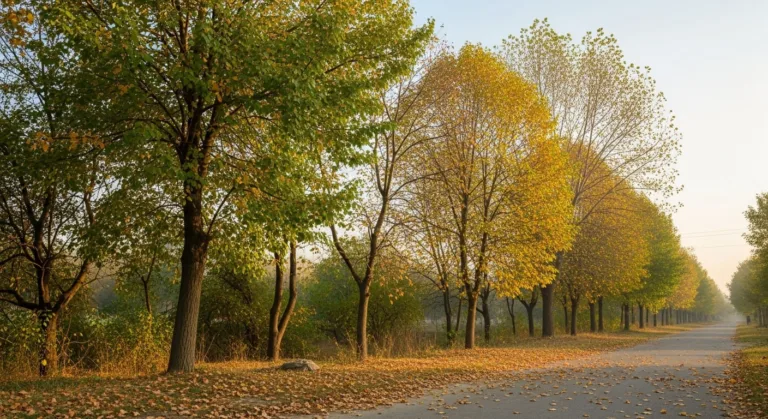
Picture this: you’re waiting for the leaves to turn golden and fall from the trees, for that crisp cool air that makes you want to grab a cozy sweater, and for pumpkin spice everything to show up. But if you’re in Pakistan, you might be waiting a while for some of those classic autumn signs! That’s because autumn in Pakistan is totally different from what you might see in movies or read about in books set in America or Europe.
In Pakistan, autumn doesn’t follow the same script as it does in other parts of the world. The weather patterns, the temperatures, and even which months count as “autumn” are unique to this South Asian country. While your friends in other countries might be jumping into leaf piles in October, people in Pakistan are experiencing something completely different. But that doesn’t make it any less special!
So when exactly does autumn happen in Pakistan, and what’s it really like? Let’s explore this fascinating season and discover why it’s one of the most pleasant times of the year in this beautiful country, especially in agricultural regions like Multan where Multanfarms.com grows some amazing produce.
What Months Are Actually Autumn in Pakistan?
Here’s where things get interesting. In Pakistan, autumn (sometimes called fall) typically runs from mid-October through November. That’s right, just about two months! It’s much shorter than the autumn season in places like North America or Europe, where fall can last from September all the way through November.
But why such a short autumn? Well, it all comes down to Pakistan’s location on the globe and its climate patterns. Pakistan sits in a region that experiences really hot summers and relatively mild winters. The transition between these two seasons happens pretty quickly, which means autumn is like a brief but wonderful intermission between the blazing heat and the cooler winter months.
Think of it like this: if the year were a concert, summer in Pakistan would be a loud, intense rock performance, winter would be a calm acoustic set, and autumn would be that perfect moment in between when everyone catches their breath and enjoys the vibe. It’s short, but it’s golden (literally and figuratively!).
Why Doesn’t Pakistan Have a Long Autumn Like Other Countries?
Great question! The answer lies in something called monsoon patterns and Pakistan’s geography. During the summer months (June through September), Pakistan experiences monsoon rains, especially in certain regions. These rains bring moisture and thunderstorms, keeping things hot and humid. Then, as the monsoons retreat in late September and early October, the weather starts to shift.
Unlike countries in temperate zones (areas between the tropics and polar regions) where the seasons change gradually over several months, Pakistan experiences more dramatic and quicker transitions. The country doesn’t have the same kind of deciduous forests (trees that lose their leaves) that create those Instagram-worthy autumn landscapes you might see in places like New England or Japan.
Instead, Pakistan’s autumn is characterized more by the temperature drop and the quality of the air than by changing leaf colors. It’s like switching from a really hot oven to a perfectly warmed room, the difference is noticeable and wonderful, but it happens relatively fast. Farmers at places like Multanfarms.com in Multan know this transition well because it signals important changes in what they can grow and harvest.
What Does Autumn Weather Feel Like in Pakistan?
Imagine stepping outside after months of temperatures that regularly hit 95-110°F (35-43°C) or even higher, and suddenly it’s a pleasant 70-80°F (21-27°C) during the day. That’s what autumn feels like in Pakistan, pure relief! The oppressive heat finally backs off, and you can actually enjoy being outside without melting.
During the day, the sun still shines brightly (this is Pakistan, after all!), but it’s a gentle warmth rather than an aggressive heat. The mornings and evenings become noticeably cooler, sometimes dropping to around 60°F (15°C). This is when people start pulling out light jackets and sweaters, especially for early morning or nighttime activities. The air becomes drier and crisper, which feels amazing after the humid summer months.
One of the best parts? The skies are usually clear and blue during autumn. After the monsoon clouds clear out, you get these gorgeous, sunny days with just the right amount of warmth. It’s perfect weather for outdoor activities, festivals, and sports. Schools often plan field trips and outdoor events during this time because the weather is so cooperative.
How Does Autumn Affect Farming in Pakistan?
This is where autumn gets really important, especially for agricultural regions like Multan. Autumn marks a crucial time for farmers because it’s when they transition from one growing season to another. After the intense heat of summer, the cooler autumn weather allows different crops to thrive.
At Multanfarms.com and other farms across Pakistan, autumn is the time when Rabi crops are planted. Rabi crops are plants that are sown in autumn and harvested in spring. These include wheat (Pakistan’s staple food!), barley, chickpeas, and various vegetables. The mild temperatures and dry conditions of autumn create perfect conditions for these seeds to germinate and establish strong roots before winter arrives.
Think of it like preparing for a marathon. The crops planted in autumn spend the winter months slowly building strength and growing steadily, kind of like a runner training through the cold months. Then, when spring arrives with warmer temperatures and longer days, these crops are ready to sprint toward harvest time. This autumn planting season is so important that it basically determines how much food the country will have for the following year!
Farmers also use autumn to harvest any remaining Kharif crops, which are the summer crops that were planted during the monsoon season. So autumn is this busy, exciting time when the old season’s bounty is being gathered while the new season’s crops are being planted.
What Makes Pakistan’s Autumn Special?
Even though Pakistan doesn’t have the classic autumn features like colorful falling leaves or pumpkin patches, it has its own unique charm. For one thing, autumn is festival season! Many cultural celebrations and events happen during these pleasant months because the weather is so perfect for gatherings.
The air quality improves dramatically after the monsoon rains wash away dust and pollutants from the summer. Cities and towns feel fresher and cleaner. It’s like nature hit the reset button after months of heat and humidity. People often describe the autumn light in Pakistan as having a special golden quality, especially in the early morning and late afternoon.
Another cool thing about autumn in Pakistan is the food! While other countries are obsessed with pumpkin spice, Pakistan’s autumn brings its own delicious treats. Fresh guavas become abundant, and they’re absolutely delicious during this season. The later autumn months also bring the anticipation of citrus fruits like oranges and tangerines that will be ready soon. Markets fill with seasonal vegetables, and the cooler weather makes hot street food like samosas and pakoras even more enjoyable.
How Do People in Pakistan Enjoy Autumn?
Since the weather is so pleasant during autumn, it’s prime time for outdoor activities. Families plan picnics in parks and gardens, taking advantage of the comfortable temperatures. In cities, you’ll see more people out walking, jogging, or playing cricket (Pakistan’s favorite sport!) in the late afternoons and evenings.
Schools and colleges often organize sports days and annual functions during autumn because students can actually participate in outdoor activities without risk of heatstroke. It’s also a popular time for weddings! Many couples choose October or November for their big day because the weather is ideal, not too hot and not too cold.
In agricultural areas like Multan, autumn has a different kind of energy. It’s a working season, but there’s excitement in the air. Farmers are busy in the fields, preparing soil and planting seeds, while also bringing in harvests from the summer crops. At Multanfarms.com, this means coordinating planting schedules, managing irrigation, and preparing for the crops that will feed communities in the months to come.
What Happens After Autumn in Pakistan?
As November comes to a close, autumn gracefully hands the baton to winter. By late November and December, temperatures continue to drop, especially in northern regions where it can get quite cold. The plains and southern areas remain mild, but you’ll definitely need warmer clothes by this point.
Winter in Pakistan (December through February) is generally pleasant in most areas, though the northern mountainous regions can experience heavy snowfall and freezing temperatures. For farmers, winter is when those Rabi crops planted during autumn continue their slow, steady growth, preparing for the big harvest that will come in spring.
The cycle then continues: winter leads to spring (March through May), which brings the harvest of winter crops and the planting of summer crops. Then comes the scorching summer and monsoon season (June through September), followed once again by that brief, beautiful autumn period. It’s a rhythm that’s been followed for thousands of years in this region.
Wrapping Up the Season
So there you have it! Autumn in Pakistan might not look like the autumn you see in movies or read about in books, but it’s special in its own right. Running from mid-October through November, it’s a brief but incredibly important season that brings relief from summer’s heat, perfect weather for outdoor fun, and crucial planting time for the crops that will feed millions of people.
Whether you’re enjoying the pleasant temperatures in the city, watching farmers prepare fields at places like Multanfarms.com, or just appreciating the clear blue skies and golden sunlight, autumn in Pakistan is a season worth celebrating. It might be short, but it’s definitely sweet!
Next time someone talks about autumn, you can share what you know about how different this season is in different parts of the world. Pretty cool, right? And if you ever get the chance to experience autumn in Pakistan yourself, you’ll understand why locals consider it one of the best times of the year. What season is your favorite where you live, and how does it compare to Pakistan’s autumn?