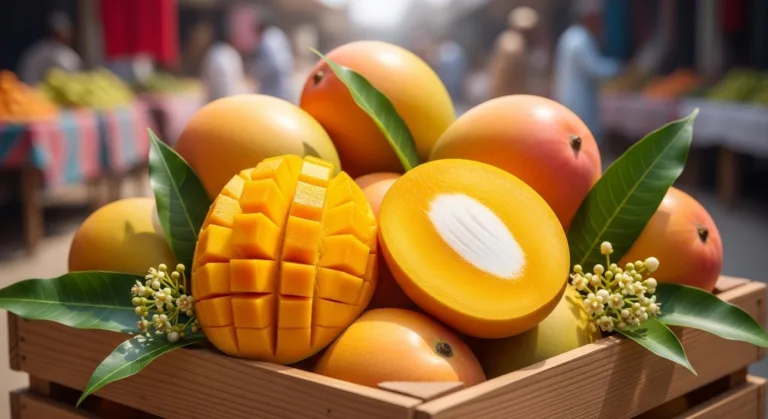
Picture this: the summer heat is blazing, school’s almost out, and suddenly every fruit stand, market, and roadside cart explodes with colorful displays of the juiciest, most amazing fruit you can imagine. We’re talking about mangoes, and in Pakistan, mango season is basically like a national celebration that everyone looks forward to all year long!
If you’ve ever tasted a perfectly ripe mango, you know there’s nothing quite like it. The sweet juice running down your chin, the golden flesh that’s softer than butter, and that incredible tropical flavor that makes you close your eyes and smile. But here’s the thing, mangoes don’t just appear randomly throughout the year. They have a specific season, and in Pakistan, people mark their calendars waiting for it to begin.
So when exactly does mango season start in Pakistan, and why does it matter so much? Let’s dive into everything you need to know about Pakistan’s most beloved fruit and the magical months when it takes center stage. At Multanfarms.com, we’re passionate about bringing you the freshest, most delicious mangoes straight from Pakistani orchards, so we know a thing or two about timing this perfectly!
The Official Start of Mango Madness
Here’s the scoop: mango season in Pakistan typically kicks off in May and runs through September, with the absolute peak happening in June and July. Think of it like this, if Pakistan’s year were a school year, mango season would be summer vacation, the time everyone’s been waiting for!
But here’s where it gets interesting. Not all mangoes arrive at the same time. Pakistan grows over 200 varieties of mangoes (yes, you read that right, over 200!), and they ripen at different times throughout the season. It’s kind of like how different flowers bloom at different times in spring. Some mango varieties are early bloomers, showing up in late May, while others are fashionably late, arriving in August or even early September.
The season usually starts with varieties like Sindhri appearing in the markets around mid to late May. Then, as June rolls in, you start seeing the famous Chaunsa and Anwar Ratol mangoes making their grand entrance. By July, the markets are overflowing with so many varieties that choosing just one type becomes an impossible decision!
Why Does the Season Start When It Does?
You might be wondering, “Why can’t we just have mangoes all year round?” Great question! The answer has everything to do with how mango trees work and what they need to produce those amazing fruits.
Mango trees are pretty particular about their growing conditions. They need a specific cycle of weather to produce fruit. First, they need a cool, dry period (which Pakistan gets during winter, from November to February). During this time, the trees are basically resting and storing up energy. Then, when spring arrives in March and April, the trees start flowering. You’ll see these beautiful clusters of tiny flowers appearing on the branches.
After the flowers are pollinated (usually by bees and other insects), tiny baby mangoes start to form. These little green fruits need about two to four months to grow and ripen, depending on the variety. That’s why, after the spring flowering season, you get ripe mangoes ready to eat by May, June, and July. It’s nature’s perfect timing!
The hot Pakistani summer, with temperatures often soaring above 40°C (that’s over 104°F!), actually helps the mangoes develop their incredible sweetness. The intense sunshine and heat work like a natural sugar factory, turning the starches in the mango into the sweet, delicious sugars we love.
The Different Waves of Mango Arrivals
Remember how we mentioned that different varieties arrive at different times? Let’s break down the mango season into waves, kind of like how different superhero teams show up in different movies!
The Early Birds (Late May to Early June): These are the varieties that can’t wait to get to the party. Sindhri mangoes usually lead the pack, arriving in late May. They’re large, oval-shaped, and have a beautiful golden-yellow color when ripe. People in Sindh province especially love these because they’re grown in their region.
The Main Event (Mid-June to Mid-July): This is when the real mango madness happens! Chaunsa, often called the “king of mangoes,” arrives in full force during this period. Alongside Chaunsa, you’ll find Anwar Ratol (small but incredibly sweet), Langra (which stays greenish even when ripe), and Dusehri (super fragrant and honey-sweet). Markets during this time are absolutely packed with mango lovers!
The Late Arrivers (Late July to September): Some varieties like certain types of Langra and late-season Chaunsa keep the party going well into August and even September. These late-season mangoes are like the grand finale of a fireworks show, giving people one last chance to enjoy fresh mangoes before the season ends.
Different Regions, Different Timing
Here’s something really cool: Pakistan is a huge country with different climate zones, which means mango season doesn’t start on the exact same day everywhere. It’s kind of like how spring arrives in different parts of the United States at different times.
In the southern regions, particularly in Sindh province (where cities like Karachi and Hyderabad are located), mangoes tend to ripen a bit earlier because it’s warmer there. Sindhri mangoes from this region often hit the markets in late May. The hot climate and fertile soil in places like Mirpurkhas make it perfect mango-growing territory.
Meanwhile, in Punjab province (home to cities like Multan, Rahim Yar Khan, and Bahawalpur), which is considered the mango heartland of Pakistan, the season peaks in June and July. Multan is so famous for its mangoes that it’s nicknamed the “City of Saints and Mangoes”! The region produces varieties like Chaunsa, Anwar Ratol, and many others.
Up north in Khyber Pakhtunkhwa, where it’s slightly cooler, mangoes arrive a bit later and the season might extend further into late summer. The temperature differences between regions mean that mango lovers across Pakistan get to enjoy fresh fruit at slightly different times, which actually helps spread out the harvest and keeps mangoes available longer!
Why Mango Season Is Such a Big Deal
You might think, “Okay, so there’s a season for mangoes. What’s the big deal?” Well, in Pakistan, mango season is way more than just fruit being available. It’s a cultural phenomenon!
First off, mangoes are deeply woven into Pakistani summer traditions. Families gather to enjoy mangoes together, often competing to see who can eat the most or who knows the best way to cut them. There are literally dozens of ways people eat mangoes, from slicing them neatly to the “choos ke khao” method (which means “suck and eat”), where you squeeze the whole mango until it’s soft inside, then make a hole and suck out the pulp. It’s messy, it’s fun, and it’s a summer tradition!
Second, mangoes are a huge part of Pakistan’s economy. The country exports tons of mangoes to places like the United Arab Emirates, United Kingdom, and other countries around the world. At Multanfarms.com, we’re proud to be part of sharing Pakistan’s amazing mangoes with people everywhere. Farmers depend on the mango season for a significant portion of their yearly income, so timing everything right is super important.
Finally, mangoes bring people together. During peak season, you’ll see mango festivals, special deals at markets, and families sending boxes of mangoes to relatives as gifts. It’s like how pumpkin spice becomes a thing in fall in America, except way more intense and delicious!
How Climate Affects the Season Each Year
Here’s something important to know: while mango season generally follows the same pattern each year, it’s not set in stone. Nature likes to keep things interesting! Some years, if winter is particularly cold or spring arrives late, the mango season might start a week or two later than usual.
Climate change is also starting to affect mango seasons in Pakistan. Some farmers have noticed that weather patterns are becoming less predictable, with unexpected rains or heat waves throwing off the usual timing. That’s why at Multanfarms.com, we work closely with experienced farmers who understand these changes and adapt their practices to ensure you still get the best quality fruit.
Think of it like how some years winter break might start earlier or later depending on when holidays fall. The season happens, but the exact dates can shift a little bit based on conditions that year.
Making the Most of Mango Season
So now that you know when mango season starts in Pakistan (May through September, with the peak in June and July), what should you do with this information? Well, if you’re lucky enough to be in Pakistan during these months, get ready for a fruit experience like no other!
The best tip is to try different varieties throughout the season. Don’t just stick to one type! Each variety has its own unique flavor, texture, and sweetness level. It’s like how ice cream comes in different flavors, you wouldn’t want to only try vanilla when there’s chocolate, strawberry, and mint chocolate chip available, right?
If you’re outside Pakistan, don’t worry! Companies like Multanfarms.com work hard to bring authentic Pakistani mangoes to mango lovers around the world. Just remember that because of shipping and export regulations, mangoes available internationally might arrive at slightly different times than they would in Pakistan’s local markets.
The Sweet Conclusion
Mango season in Pakistan is so much more than just a few months when a particular fruit is available. It’s a celebration of nature’s timing, a showcase of Pakistan’s incredible agricultural heritage, and a delicious reminder that good things are worth waiting for.
From the first Sindhri mangoes appearing in late May to the last Chaunsa mangoes of September, the season brings joy, brings families together, and gives people something to look forward to as summer approaches. The next time you bite into a juicy Pakistani mango, you’ll know exactly why it only shows up during certain months and appreciate all the natural processes and hard work that went into getting it to you.
So, are you ready for mango season? Whether you’re counting down the days until May or already dreaming about next year’s harvest, one thing’s for sure: when those first mangoes of the season arrive, it’s going to be absolutely worth the wait!