Have you ever noticed how some places have super clear seasons while others seem to skip certain ones entirely? In some countries, you can practically set your calendar by when the snow starts falling or when the leaves change color. But in Pakistan, things work a bit differently. The arrival of winter isn’t always as obvious as you might think, and it definitely doesn’t happen the same way across the entire country.
If you’ve ever wondered when to pack away your summer clothes and pull out your sweaters in Pakistan, you’re asking the right question. The answer isn’t as simple as “December 21st” like you might find in a textbook. Pakistan’s winter season is influenced by geography, location, and even how close you are to the mountains. Some parts of the country start feeling chilly in October, while others don’t really cool down until December or even later.
In this article, we’ll explore when winter typically begins in different parts of Pakistan, what causes these differences, and why farmers (like those at Multanfarms.com) pay such close attention to seasonal changes. Get ready to discover how Pakistan’s diverse landscape creates multiple “winter start dates” all in one country!
Pakistan’s Geography Makes All the Difference
Here’s something cool about Pakistan that makes its seasons so interesting: it’s not just one type of landscape. Instead, imagine a country that has towering mountains in the north, flat plains in the middle, deserts in the east, and coastal areas in the south. Each of these regions experiences winter differently, kind of like how your freezer, refrigerator, and kitchen counter are all different temperatures even though they’re in the same house.
In the northern mountainous regions like Gilgit-Baltistan and parts of Khyber Pakhtunkhwa, winter comes early and hits hard. These areas can start feeling winter’s bite as early as mid-October. By November, snow is already covering the peaks and valleys, and temperatures can drop well below freezing. If you’ve ever visited a place like Murree or Hunza during this time, you know exactly what I’m talking about. The cold is serious business up there!
Meanwhile, in the central plains where cities like Lahore, Faisalabad, and Multan are located, winter arrives more gradually. These areas usually start experiencing cooler temperatures in late November, with the real winter chill setting in during December and January. The southern coastal regions near Karachi have the mildest winter, often not feeling truly “wintry” until late December or even January, and even then, it’s more like pleasant sweater weather than freezing cold.
The Official Calendar vs. What Actually Happens
If you look at a calendar or search online, you might find that winter “officially” starts around December 21st or 22nd. This date is called the winter solstice, which is the shortest day of the year in the Northern Hemisphere. It’s when Earth is tilted farthest away from the sun, at least for those of us in the northern half of the planet.
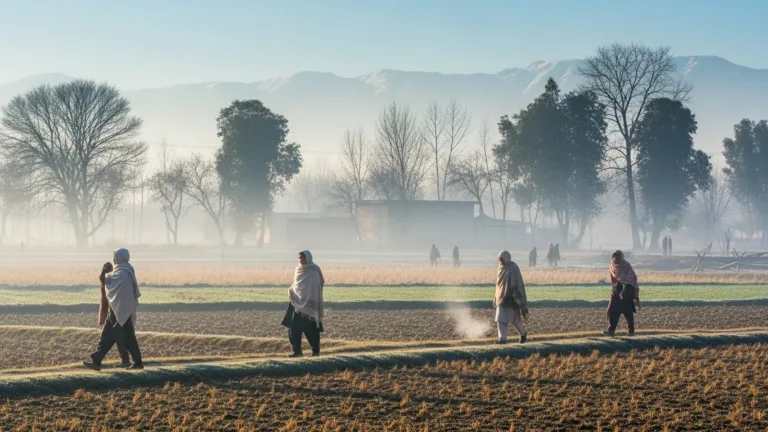
But here’s the thing, nature doesn’t always follow the calendar! In Pakistan, most people think of winter as lasting from November through February, with the coldest months being December and January. This four-month period is when you’ll see people bundling up in jackets, when morning fog rolls across the plains, and when farmers adjust their crop schedules.
Think of it like school starting in August or September even though “fall” technically begins later. We base these seasons on what we actually experience, not just what the calendar tells us. In Pakistan’s case, the real, felt experience of winter depends much more on where you are than what date it is.
How Different Cities Experience Winter’s Arrival
Let’s take a tour through Pakistan and see when winter shows up in different places. In Islamabad and Rawalpindi, located near the foothills of the Himalayas, you’ll start needing a light jacket by early November. The mornings get foggy and crisp, and by mid-December, you might even see some frost on car windshields.
Lahore and Multan, sitting in the heart of Punjab’s plains, follow a similar pattern but things warm up faster during the day. The winter season really kicks in during late November, with January being the coldest month. Morning temperatures can drop to around 4-8°C (that’s about 39-46°F), which might not sound super cold to someone from Alaska, but it definitely feels chilly when you’re used to hot summers!
Down in Karachi, winter is honestly pretty mild. The “cold season” starts around late December, but temperatures rarely drop below 10°C (50°F). People joke that Karachi’s winter is like other cities’ spring. You’ll see locals wearing hoodies and calling it freezing while visitors from northern areas are still comfortable in t-shirts!
In the mountainous regions like Skardu, Chitral, and Quetta, winter is no joke. These places can start seeing snow in October, and by December, they’re in full winter mode with temperatures often dropping below zero. Roads can get blocked, and life slows down considerably as people hunker down to wait out the cold months.
Why Farmers Care So Much About Winter’s Timing
You might wonder why the exact start of winter matters so much. Well, if you’re a farmer, this timing is absolutely crucial! The arrival of winter affects what crops you can plant, when you should harvest, and how you prepare your land for the next growing season. At operations like Multanfarms.com, understanding seasonal patterns isn’t just interesting, it’s essential for success.
Winter crops like wheat, barley, and certain vegetables need to be planted at just the right time. Plant too early when it’s still warm, and the seeds might not germinate properly. Plant too late after winter has fully arrived, and the cold might damage young plants. Farmers in different parts of Pakistan time their planting based on when winter typically starts in their specific region.
The winter season also brings important rain to many parts of Pakistan. These winter rains are crucial for crops and for refilling water reserves after the dry summer and fall months. Farmers watch the sky carefully in November and December, hoping for good rainfall that will help their winter wheat and other crops grow strong and healthy.
Temperature drops during winter also help control pests and diseases that thrive in warmer weather. It’s like nature’s way of hitting the reset button, giving the soil and plants a break before the intense growing season of spring and summer returns.
Weather Patterns That Signal Winter’s Arrival
How do people in Pakistan know winter is really coming? There are several telltale signs that locals recognize. First, the morning fog starts rolling in across the plains, making early commutes a bit hazardous but also creating beautiful, misty landscapes. If you wake up and can’t see across the street because of thick fog, congratulations, winter has arrived!
The wind direction changes too. Cold winds start blowing down from the north, bringing that crisp, chilly air from the mountains. In cities like Lahore and Islamabad, you’ll hear people talking about the “northern winds” that signal the real start of winter. These winds can make the temperature feel even colder than the thermometer suggests.
You’ll also notice that the sun sets earlier and rises later, giving you shorter days and longer nights. This happens everywhere in the Northern Hemisphere during winter, but it’s especially noticeable in November and December. Suddenly, it’s dark by 5:30 PM, and you need extra time in the morning for the sun to warm things up.
What Makes This Year Different?
Here’s something interesting: winter doesn’t start at exactly the same time every year! Climate patterns like El Niño and La Niña can affect when the cold weather arrives and how intense it is. Some years, winter comes a week or two early. Other years, it’s late, leaving farmers and regular folks wondering when they’ll finally need those heavy blankets.
Climate change is also playing a role in shifting seasonal patterns. Scientists have noticed that winters in Pakistan are becoming somewhat less predictable, with some areas experiencing warmer-than-usual winter temperatures and others seeing more extreme cold snaps. This unpredictability makes it even more important for farmers to stay flexible and pay attention to current weather patterns rather than just relying on traditional timing.
Wrapping Up the Winter Mystery
So, when does winter really start in Pakistan? The answer is: it depends on where you are! Northern mountainous regions start feeling winter in mid-October, central plains cool down in late November, and southern coastal areas don’t really experience winter until late December or January. The “official” winter months are November through February, with December and January being the coldest.
Understanding these seasonal shifts matters for everyone, from farmers planning their crops to families deciding when to pull out their winter wardrobes. The diversity of Pakistan’s landscape means you could experience three different types of winter just by traveling from north to south. Pretty amazing, right?
Next time someone asks you when winter starts in Pakistan, you can smile and say, “Which part of Pakistan are you talking about?” Because now you know that this beautiful country doesn’t do anything by simple rules. Have you noticed the first signs of winter in your area yet?