Pakistan is a country of extremes. Punishing summers that push temperatures past 45°C, monsoon rains that can flood entire cities in a matter of hours, and a winter that bites hard in the mountains but barely whispers in the south. Tucked between those two dramatic poles is a season many Pakistanis genuinely treasure, and that season is autumn. It’s the stretch when the heat finally lets go, the farms come alive with harvest, and the air turns clean enough to remind you why living here is worth it.
So when exactly does autumn happen in Pakistan? That’s a fair question, because Pakistan doesn’t follow a tidy four-season calendar the way colder countries do. The answer depends on where you are in the country, how high up you are, and what you’re measuring. This article walks through the months, the regional differences, what it means for farmers, and what the season actually looks and feels like across the country.
When Do the Autumn Months Begin in Pakistan?
In the majority of Pakistan, autumn runs from October through December. October is the real turning point. The monsoon has wrapped up by then, and the stranglehold of summer heat begins to ease noticeably. Days get shorter, mornings stop being unpleasant, and that wet, heavy air that follows you through August and September starts to dry out.
November deepens the seasonal shift. Temperatures in major cities like Multan, Lahore, and Hyderabad drop into a genuinely comfortable range, often between 15°C and 28°C during the day. December sits right at the edge of autumn and winter, with some areas sliding fully into cold by mid-month and others still enjoying crisp, mild afternoons. Think of October as the doorway, November as the heart of the season, and December as the closing chapter.
How Autumn Looks and Feels Across Different Regions
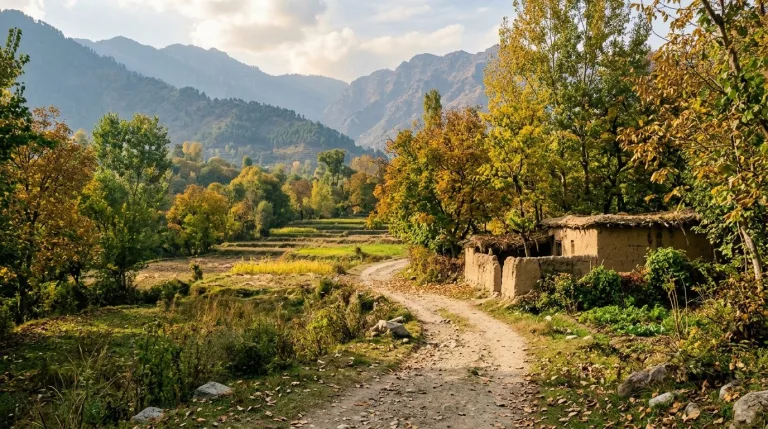
Pakistan’s geography is so varied that autumn genuinely looks different depending on where you stand. In Gilgit-Baltistan, Azad Kashmir, and the highland districts of Khyber Pakhtunkhwa, autumn is a visual event. The poplar, chinar, and fruit trees turn gold, red, and orange from late September onward, and the display peaks through October. People travel specifically to see the colour change in valleys like Hunza, Swat, and Neelum. Snow arrives in the higher elevations by November, ending the spectacle quickly.
In the central and southern plains, including Punjab and Sindh, the change is less dramatic but deeply felt. The post-monsoon dust settles, visibility across the flat fields improves, and a dry breeze starts coming in from the northwest. Multan, which sits in the heart of South Punjab, trades its summer brutality for genuinely pleasant October evenings. Karachi, which barely experiences winter at all, gets its mildest and most comfortable weather during November and December. Balochistan sees cool, dry conditions through autumn, with the mountain regions around Quetta getting cold early while the lowlands stay mild.
The Farming Calendar During Autumn
Autumn is arguably the most important season on the agricultural calendar, and Pakistan’s farming communities feel that intensely. This is when the Kharif crops, the warm-season crops planted in summer, come in for harvest. Cotton fields across Punjab and northern Sindh are at full activity from October, with workers picking the bolls before the cold can damage the fibre quality. Rice paddies in central Punjab glow golden as the grain dries and the harvest begins. Maize and sorghum come off the fields early in the season, and sugarcane cutting runs from November right through winter.
At the same time, farmers are preparing the ground for the next round. The Rabi crops, the cool-season crops that feed the country through spring, go into the ground during October and November. Wheat is the big one, covering millions of acres across Punjab and Sindh. Mustard, chickpeas, lentils, and turnips also get sown during this window. Autumn in Pakistan isn’t just an ending, it’s a beginning happening at the same time, with one crop coming in as another goes out.
What Pakistan Grows and Eats in Autumn
Step into any bazaar in October or November and you’ll see the shift immediately. The summer fruits, mangoes, jamuns, lychees, are gone. In their place comes a different and excellent range of produce. Pomegranates are the defining fruit of the season, especially the prized Kandhari variety from Balochistan, which arrives in markets around October with its deep red seeds and intense flavour. Guavas from Punjab hit their prime in autumn and are one of the most widely eaten fruits of the season. Persimmons, called amlok locally, appear in the northern markets and are increasingly available in cities too.
On the vegetable side, methi (fenugreek), spinach, cauliflower, and fresh carrots start showing up in large quantities. The arrival of young carrots is a particular signal, because it means gajar ka halwa season is approaching, and that is a fact that most Pakistanis take seriously. Markets get busier, prices for fresh produce drop as supply increases, and seasonal cooking shifts noticeably away from the light, cold foods of summer.
What the Weather Actually Does Through the Season
The temperature swing in autumn is significant, especially in central Punjab. In September, Multan can still see highs of 38 to 40°C. By October, those highs settle to around 28 to 33°C. November brings 18 to 25°C during the day and genuinely cool nights. That shift, roughly 15 to 20 degrees over six weeks, is not just a relief, it’s a reset for daily life.
One weather challenge that accompanies autumn in parts of Punjab is the smog season, which typically intensifies through November. Crop stubble burning after the rice harvest, combined with lower wind speeds, industrial emissions, and vehicle exhaust, creates a seasonal air quality problem across the Lahore-Gujranwala belt and surrounding areas. It’s an environmental issue that continues to get attention from health authorities and policymakers, and it’s something residents in affected areas prepare for each year.
How Life Changes When Autumn Arrives
Autumn is also when Pakistani social life comes back outdoors. Weddings, which are nearly impossible to hold during summer heat, fill the calendar from October onward. The autumn wedding season is a fixture of Pakistani culture, with families booking venues months in advance and events running every weekend. Evening gatherings on rooftops and in courtyards, which are abandoned all summer, become normal again. Street food stalls shift their offerings, roasted corn, chana chat, and steamed chickpeas replacing the cold drinks and ice cream of the hotter months.
For children out of school and adults heading to work, the seasonal change means mornings no longer feel like stepping into an oven. That simple fact changes the mood of entire cities.
Why Autumn in Pakistan Deserves More Appreciation
Autumn in Pakistan runs from October through December, shifting from harvest season in the fields to cool evenings in the cities to snow-capped colour in the mountains. It’s a season that touches every part of the country differently but leaves the same basic impression everywhere, that the worst is behind you and something better has arrived. From the pomegranates in the market to the wheat going into the ground to the first cool morning of the year, autumn is one of Pakistan’s most productive and satisfying seasons.
For more on Pakistan’s agricultural seasons, regional food culture, and farming traditions, visit Multanfarms.com.