Have you ever noticed how fresh dhania seems to be everywhere in winter, then turns pricey and droopy by May? That’s not your imagination. Coriander has a season, and once you understand it, you’ll know exactly when to buy, when to grow, and when to stock up.
In Pakistan, coriander season runs mostly through the cooler months, from late October to March. This is when the leaves are lush, the aroma is strong, and the price is easy on your pocket.
In this guide, we’ll look at when coriander grows best, why heat is its biggest enemy, how the season works in Multan and South Punjab, and how you can make the most of it in your kitchen and your garden.
What Exactly Is Coriander Season?
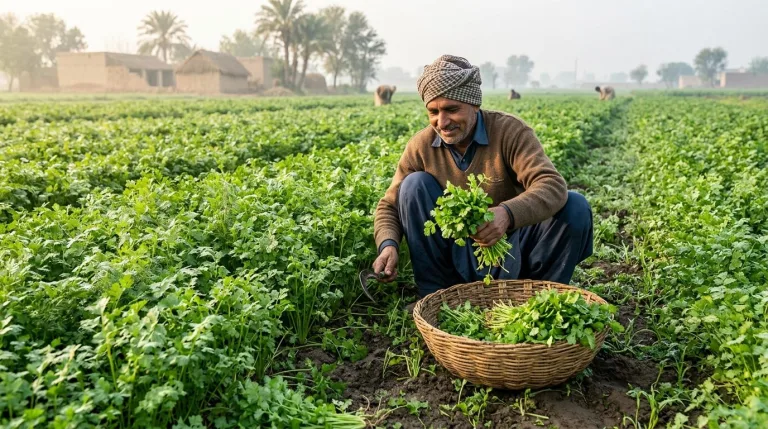
Coriander season is the stretch of the year when the weather suits the plant, so it grows fast, stays leafy, and doesn’t rush to flower. In Pakistan, that means the cool winter months. Farmers sow seeds from October to November, and the first green leaves are ready to cut about 30 to 45 days later.
Think of coriander as that friend who loves a sweater and hates the beach. It’s happiest when days are mild and nights are cool. Give it that, and it rewards you with big, fragrant leaves.
You may know it as dhania, and the same plant gives you two things: fresh green leaves and dried seeds. Each one has its own timing, which we’ll get to next.
Two Harvests From One Plant
Picture a small shop that sells two products from the same counter. That’s coriander. The leaves are the quick sellers, and the seeds are the slow, steady ones.
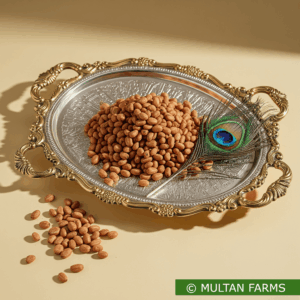
Leaves are usually harvested from November to February, while the weather is cool. If you leave some plants alone, they grow tall, flower, and form seeds. These coriander seeds (sabut dhania) are ready about 90 to 120 days after sowing, which usually means March to April.
That’s why you’ll often see fresh bunches and dried seeds sold side by side at the end of winter. They come from the same season, just at different stages of the plant’s life.
Why Heat Is Coriander’s Biggest Enemy
Ever tried to focus on a tough task while sweating in a hot room? Coriander feels the same way in summer. When temperatures climb, the plant panics and does something called bolting, which means it shoots up a tall stem and flowers far too early.
When that happens, the leaves turn thin, bitter, and less fragrant. The plant has stopped caring about being tasty and started caring about making seeds before the heat gets worse.
Multan summers can go well above 40°C, so growing leafy coriander in those months is a real struggle. Much of what you find in the market during summer is often grown in cooler areas or in shade, which is one reason the price goes up.
Coriander Season in Multan and South Punjab
South Punjab has sunny, mild winters, and that’s a gift for coriander. Bright days help the leaves grow fast, and the cool nights keep them from bolting. Mid-October to November is usually the sweet spot for sowing.
Heavy frost can harm the tender leaves, so farmers and home growers keep an eye on the coldest nights of January. A light cover or a sheltered corner of the garden can save the crop.
Smart growers also sow in small batches, about two weeks apart. It’s like baking one tray of cookies at a time instead of all at once, so you always have a fresh batch ready.
How to Grow Coriander at Home During the Season
You don’t need a big farm to enjoy coriander. A sunny balcony and a deep pot are enough. Here’s a simple way to start:
- Pick the right time. Sow between mid-October and November, when the heat has faded.
- Prepare the seeds. Gently crush the dried seeds so each splits into two halves, then soak them overnight.
- Choose good soil. Use loose, well-drained soil and a pot at least 8 inches deep. Aim for four to six hours of sunlight.
- Sow and water. Plant seeds about one centimeter deep and keep the soil damp, not soggy. Sprouts usually appear in one to two weeks.
- Harvest smartly. Once plants are around six inches tall, snip the outer leaves and let the center keep growing.
How to Pick and Store Fresh Coriander
At the market, choose bunches with bright green, perky leaves and a strong smell. Skip anything yellow, slimy, or limp. Your nose is a great tool here, because fresh coriander smells unmistakable.
At home, treat it like a bouquet of flowers. Stand the stems in a glass of water, cover the leaves loosely with a bag, and keep it in the fridge. It should stay fresh for about a week.
Got extra? Chop the leaves, press them into an ice cube tray with a little water, and freeze. Drop a cube into curries or daal whenever you need a burst of flavor.
Why Coriander Matters in Your Kitchen
Imagine green chutney without dhania, or a karahi without that final sprinkle on top. It just wouldn’t feel right. Fresh leaves lift raita, chana, biryani, and countless daily dishes.
The dried seeds are just as useful. Roast them lightly and grind them, and you’ve got the base of many homemade spice mixes. They’re also a good reminder that traditional cooking starts with good ingredients.
Coriander also brings more than flavor. The leaves are packed with vitamins like vitamin K and vitamin C, so that little green garnish is doing more work than you think.
Final Thoughts
Coriander season is really about timing. Sow in October and November, enjoy the leaves through winter, let some plants turn to seed for spring, and give the plant a break once the summer heat arrives. Follow that rhythm, and you’ll always have fresh, fragrant dhania at the right time.
Want more simple guides on seasonal produce and traditional foods? Explore Multanfarms.com for farm-fresh knowledge and ingredients. So, which dish will you make first with this winter’s fresh coriander?