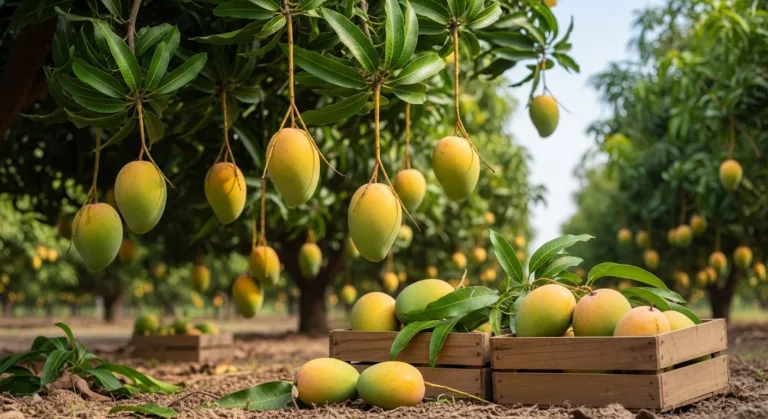
Imagine biting into the juiciest, sweetest fruit you’ve ever tasted. The golden flesh practically melts in your mouth, and the flavor is so incredible that you can’t help but close your eyes and smile. That’s what eating a fresh Pakistani mango during peak season feels like! But here’s the thing, you can’t just walk into a store and grab one of these amazing fruits any day of the year.
In Pakistan, mangoes aren’t just another fruit you pick up at the grocery store. They’re a national treasure, a source of pride, and honestly, a pretty big deal. People eagerly wait all year for mango season to arrive, kind of like how you might count down the days until summer vacation. But when exactly does this magical season happen?
In this article, we’ll dive into everything you need to know about mango season in Pakistan. You’ll discover when these delicious fruits are ready to eat, why the timing matters so much, and what makes Pakistani mangoes so special that people around the world can’t get enough of them. Let’s get started!
The Sweet Spot: When Mango Season Actually Happens
Here’s the scoop: mango season in Pakistan typically runs from May through September, with the absolute peak happening between June and July. Think of it like this, if mangoes had a summer vacation, this would be it! The season kicks off in late April or early May when the first varieties start ripening, and it continues until early fall.
Different mango varieties ripen at different times during this period, which is actually pretty cool. It’s like having different acts in a concert, each one bringing something special to the stage. Early-season mangoes like Sindhri start showing up in May, while popular varieties like Chaunsa and Anwar Ratol hit their stride in July and August. The late-season varieties hang around until September, giving mango lovers one last taste before the wait begins again.
The exact timing can shift a little bit depending on the weather each year. If Pakistan has a particularly hot spring, mangoes might ripen a week or two earlier. A cooler spring might delay things slightly. It’s nature’s way of keeping things interesting!
Why Can’t We Have Mangoes All Year Round?
You might be wondering, “Why do mangoes only grow during certain months?” Great question! Mangoes are super picky about their growing conditions. These trees need a specific climate pattern to produce fruit, and it all comes down to temperature and rainfall.
Mango trees require a cool, dry period (Pakistan’s winter) to rest and prepare for fruiting. Then they need warmth and sunshine (spring and early summer) to flower and develop fruit. Finally, they need hot weather to ripen those mangoes to perfection. It’s like a recipe, you need all the ingredients in the right order, or it just won’t work.
At farms like Multanfarms.com, growers carefully monitor weather patterns and tree health to predict exactly when their mangoes will be ready. They can’t rush nature, no matter how much everyone wants those delicious fruits! This natural timing is actually what makes seasonal mangoes taste so much better than the imported ones you might find in stores during winter.
Pakistan’s Mango Belt: Where the Magic Happens
Not all of Pakistan produces mangoes equally. The country has what farmers call a “mango belt,” which is basically the prime real estate for growing these fruits. The main mango-growing areas include Punjab (especially around Multan and Rahim Yar Khan), Sindh (particularly near Mirpur Khas), and parts of Khyber Pakhtunkhwa.
Multan, often called the “City of Saints and Mangoes,” is especially famous for its mango production. The combination of rich soil, hot summers, and skilled farmers makes this region perfect for growing some of the world’s best mangoes. It’s like how certain places are known for specific things, Florida has oranges, Wisconsin has cheese, and Multan has absolutely incredible mangoes!
The climate in these regions is what scientists call “ideal for mango cultivation.” That’s a fancy way of saying the weather is just right. Hot summers (sometimes reaching 104°F or higher), mild winters, and the right amount of rainfall create perfect conditions. Farmers in these areas have been perfecting their mango-growing skills for generations, passing down knowledge from grandparents to parents to kids.
The Star Players: Popular Mango Varieties and Their Timing
Pakistan grows over 200 different varieties of mangoes, but a few superstars steal the show each season. Let’s meet them!
Sindhri kicks off the season in late May and early June. This variety is huge (sometimes weighing over a pound!), has a sweet aroma, and practically no fiber. It’s like the opening act that gets everyone excited for what’s coming.
Chaunsa arrives in late June and rules through August. Many people consider this the king of Pakistani mangoes. It’s incredibly sweet, has a honey-like flavor, and the flesh is so smooth it feels like silk in your mouth. If mangoes were royalty, Chaunsa would definitely wear the crown.
Anwar Ratol shows up around the same time as Chaunsa. It’s smaller but intensely fragrant and sweet. Think of it as the concentrated version, small but mighty! Some people say eating an Anwar Ratol is like tasting pure sunshine.
Langra and Dusehri round out the later part of the season in August and early September. These varieties are slightly tangy along with their sweetness, offering a different flavor profile that mango enthusiasts absolutely love.
What Happens During Peak Season?
When mango season hits full swing in June and July, Pakistan basically goes mango-crazy! Markets overflow with colorful displays of different varieties. Street vendors set up stands on practically every corner. Families buy mangoes by the crate (not just by the piece), and everyone has their favorite way to enjoy them.
You’ll see people eating mangoes in all sorts of ways. Some folks like to chill them in the fridge and eat them cold on a hot day. Others prefer them at room temperature to get the full flavor. There’s even a traditional method where you squeeze and massage the mango while it’s still whole, then bite off the tip and drink the pulp like juice!
During this time, Pakistani mangoes also get exported to countries around the world. Places like the United Arab Emirates, the United Kingdom, and other nations eagerly wait for shipments of Pakistani mangoes. At operations like Multanfarms.com, the harvest and packing process runs non-stop to get these fruits to eager customers while they’re at peak freshness.
Why Timing Matters When Buying Mangoes
Here’s an insider secret: the timing of when you buy mangoes during the season makes a huge difference. Early in the season (May), mangoes are exciting because everyone’s been waiting for them, but they might not be as sweet as mid-season fruits. Peak season (late June through July) is when you get the absolute best flavor, the perfect balance of sweetness and that amazing mango aroma.
Late season mangoes (August and September) are still delicious but might be harder to find as supplies run low. It’s kind of like trying to buy Halloween candy on November 1st, you might find some, but the selection won’t be great!
If you’re buying mangoes, look for fruits that give slightly when you press them gently (like a ripe peach) and have a sweet smell at the stem end. Avoid mangoes with dark spots or wrinkled skin. And here’s a pro tip: if they’re not quite ripe, leave them on your counter for a day or two. They’ll ripen up perfectly!
The Bottom Line on Mango Season
So, when is mango season in Pakistan? Remember, it’s May through September, with the absolute best mangoes appearing in June and July. This timing isn’t random, it’s the result of perfect weather patterns, generations of farming expertise, and nature doing its thing.
Understanding mango season helps you appreciate why these fruits are so special. They’re not available year-round because good things are worth waiting for! The anticipation makes that first bite of a perfectly ripe Chaunsa or Sindhri even more amazing. Pakistani farmers, including those at Multanfarms.com, work incredibly hard during these few months to bring the world some of the most delicious mangoes on the planet.
Next time you bite into a juicy Pakistani mango, you’ll know exactly why it tastes so good and why it’s only available during certain months. Pretty cool, right? So here’s a question for you: when mango season rolls around this year, which variety will you try first?