If you’ve ever bitten into a perfectly ripe Pakistani mango, you already know that nothing else compares. The sweetness, the aroma, the juice running down your chin, it’s an experience that mango lovers wait for all year. But if you’ve ever missed the window or ended up with a bland, out-of-season fruit, you know how disappointing that can be. So let’s settle the question once and for all: when exactly is Pakistani mango season, and how can you make the most of it?
Pakistan is one of the world’s top mango-producing countries, and the nation’s mangoes are famous across the globe for their exceptional flavor. The country exports mangoes to dozens of countries, and for good reason. Pakistani mango varieties range from buttery and rich to sweet and fiber-free, with each region producing something unique. Knowing when the season runs, and which variety to grab at the right time, makes all the difference between a forgettable fruit and an unforgettable one.
The Pakistani Mango Season: A General Timeline
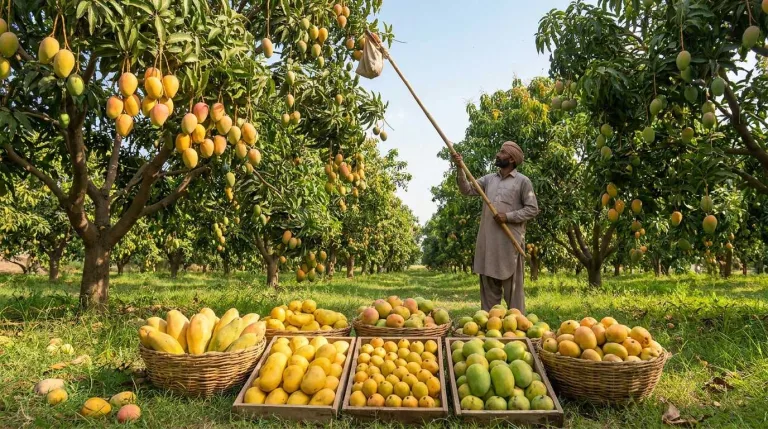
Pakistani mango season generally runs from May through September, with the peak hitting somewhere between June and August. The exact timing shifts a little depending on the variety and the growing region, but this five-month window is your golden opportunity to enjoy the freshest, most flavorful fruit of the year. Think of it like cricket season, there’s an official stretch of months where all the action happens, and once it’s over, you wait again.
The season typically kicks off in Sindh, where earlier-ripening varieties like Sindhri start appearing in markets around late April or early May. Punjab follows shortly after, with its own varieties coming into full swing by June. By July and August, you’re at the height of the season, when markets overflow with choices and prices are at their most reasonable. As September arrives, the season begins to wind down, and the last of the late varieties make their exit.
Early Season: May and June
The first mangoes of the year are always exciting because you’ve been waiting months for them. Sindhri is often the first major variety to arrive, typically appearing in late April to May. Grown primarily in Mirpurkhas, Sindh, it’s known for its golden-yellow skin, fiber-free flesh, and honey-like sweetness. It’s the kind of mango that reminds you why the season matters.
Anwar Ratol also makes an early appearance, usually in June, and it’s one of the most aromatic mangoes you’ll ever encounter. Small in size but massive in flavor, this variety has a devoted fan base that pre-orders it every single year. If you see Anwar Ratol in the market, don’t hesitate because it sells out fast. June is also when Gulab Khas starts showing up, another early favorite with a delicate, rose-like scent that sets it apart.
Peak Season: July and August
July and August are the heart of Pakistani mango season, and this is when things get really exciting. Chaunsa is arguably the most beloved variety of the bunch, ripening in July and lasting well into August. Grown extensively in the Multan and Rahim Yar Khan regions, Chaunsa has a thin skin, creamy fiber-free pulp, and a flavor so rich it almost feels indulgent. There are actually several sub-types of Chaunsa, including White Chaunsa, Honey Chaunsa, and Black Chaunsa, each with its own personality.
Langra is another July favorite that holds a special place in mango culture. Unlike most mangoes that turn golden when ripe, Langra stays green on the outside, which can confuse first-timers into thinking it isn’t ready. Don’t let the color fool you, the inside is soft, sweet, and absolutely worth it. Langra is especially popular in Punjab and carries a slightly tangy edge that sets it apart from the sweeter varieties.
Dussehri and Fajri also peak during this period. Dussehri is long and slender with a mild, fragrant sweetness, while Fajri is a giant of a mango, sometimes weighing well over a kilogram. If you want quantity along with quality, Fajri is the variety for you.
Late Season: August and September
As summer cools down, a few hardy varieties carry the mango season into its final stretch. Samar Bahisht Chaunsa, sometimes called S.B. Chaunsa, is a late-season variety that extends Chaunsa’s presence all the way into August and even early September. It’s slightly less aromatic than classic Chaunsa but still delivers excellent flavor and a silky texture that keeps fans coming back.
Some regional varieties also appear toward the end of the season, including Malda, a less well-known but dependable late-season option. Late-season mangoes may not get as much attention, but they offer a chance to keep enjoying fresh mangoes when most other varieties have wrapped up. For die-hard mango fans, even the tail end of the season is worth celebrating.
What Makes Pakistani Mangoes So Special?
Pakistan’s mangoes aren’t just good, they’re world-class. The country grows over 250 varieties, though only a handful dominate the commercial market. The combination of fertile alluvial soil, long sunny days, and the right balance of heat makes regions like Multan, Bahawalpur, and Mirpurkhas ideal for mango cultivation.
Multan, in particular, has a centuries-old relationship with mango farming. The city’s Chaunsa variety is so famous that it’s exported to Europe, the Middle East, and beyond. Pakistani mangoes consistently rank among the finest in the world, competing with varieties from India, Thailand, and Mexico. The secret isn’t just the soil or the climate, it’s the traditional farming knowledge passed down through generations of Pakistani growers.
How to Know When a Mango Is Ready to Eat
Picking a ripe mango isn’t just about color. Some varieties stay green even when fully ripe, so you need a few extra clues. Smell the stem end of the mango, a strong, sweet fragrance means it’s ready. Give it a gentle squeeze, ripe mangoes yield slightly to pressure without feeling mushy. A slight wrinkling of the skin near the top can also signal that the fruit has hit its peak.
If you buy mangoes that are still a little firm, leave them at room temperature for a day or two. Avoid storing them in the fridge before they’re ripe, as cold temperatures slow ripening and affect flavor. Once fully ripe, you can refrigerate them for a few days to keep them fresh a little longer.
Make the Most of Every Mango Season
Pakistani mango season is short, so it pays to be intentional about how you enjoy it. Visit your local market early in the season to compare varieties, and try something new each week as different ones come into peak. Buy in bulk when your favorite variety hits its prime, and many families make mango conserves, chutneys, and aamras to stretch the flavors well beyond the season.
Whether you’re slicing a Chaunsa over breakfast, blending a Sindhri into a lassi, or simply eating a Langra straight from your hand over the kitchen sink, every bite is a reminder of why Pakistani mangoes belong in a category of their own. Visit Multanfarms.com to explore more about Pakistan’s finest agricultural products and bring the best of the season to your table.