Picture this: you’re eating crispy french fries or a steaming plate of aloo paratha, and you suddenly wonder, where do all these potatoes come from? If you live in Punjab, Pakistan, chances are those delicious potatoes were grown right in your own province! Punjab is actually one of the biggest potato-producing regions in the country, and there’s a fascinating science behind when and how farmers plant these underground treasures. But here’s the tricky part, you can’t just plant potatoes whenever you feel like it. Timing is everything!
The potato growing season in Punjab isn’t random at all. Farmers have to pay super close attention to the weather, temperature, and even the calendar to make sure their potato crops turn out perfectly. Plant too early, and the heat might ruin your crop. Plant too late, and you’ll miss the ideal growing conditions. It’s kind of like Goldilocks and the three bears, everything has to be just right!
In this article, we’ll dive into the perfect timing for growing potatoes in Punjab, why the weather matters so much, and what makes this region such an awesome place for potato farming. Whether you’re curious about agriculture, thinking about starting your own garden, or just love potatoes (who doesn’t?), you’ll learn some pretty cool stuff about how these tasty tubers make it to your plate.
What Makes Punjab Perfect for Growing Potatoes?
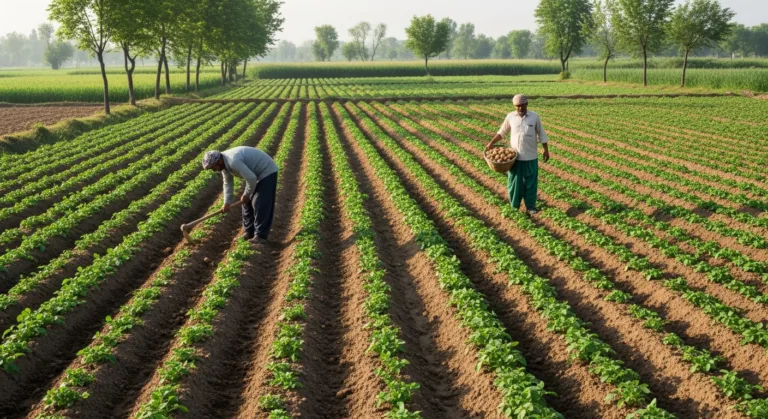
Before we talk about timing, let’s understand why Punjab is such a great place for potatoes in the first place. Punjab has what farmers call a “favorable climate” for potato cultivation. This basically means the weather conditions are just right for potatoes to grow big and healthy. The region gets plenty of sunshine, has fertile soil (soil that’s packed with nutrients), and farmers have access to good irrigation systems.
Think of it like this: if potatoes were students, Punjab would be their dream school with the best teachers, perfect classrooms, and all the resources they need to succeed! The province’s agricultural infrastructure, including farms like those at Multanfarms.com, have perfected the art of potato growing over many years. They know exactly what potatoes need and when they need it.
Another cool thing about Punjab is that it has distinct seasons. Unlike some places where the weather is pretty much the same year-round, Punjab experiences hot summers and cooler winters. This variety is actually perfect for potatoes because they prefer cooler temperatures when they’re forming those delicious tubers underground.
When Do Punjab Farmers Actually Plant Potatoes?
Now for the main question: when is potato planting season in Punjab? The answer might surprise you, there are actually two main growing seasons for potatoes in this region! The bigger and more important season is called the autumn crop, and it’s planted from mid-October to mid-November. This is the crop that produces most of the potatoes you’ll see in markets.
The second season is the spring crop, which is planted from mid-January to early February. This crop is smaller but still important, especially for farmers who want to maximize their land use throughout the year. It’s like having two chances to score points in a game instead of just one!
The autumn crop is the superstar for a good reason. When farmers plant in October or November, the potatoes grow during the cooler winter months. Potatoes absolutely love temperatures between 15°C to 20°C (that’s about 59°F to 68°F). During winter in Punjab, the weather stays in this sweet spot for several months, giving the potatoes plenty of time to grow without getting stressed by extreme heat.
Why Does Temperature Matter So Much?
You might be wondering, why are potatoes so picky about temperature? Well, potatoes are actually pretty sensitive plants! When it’s too hot (above 30°C or 86°F), potato plants basically start to panic. They stop producing new potatoes and focus all their energy on just surviving the heat. It’s like when you’re trying to study but the room is so hot that you can’t concentrate, your brain just shuts down!
On the flip side, potatoes also don’t like freezing temperatures. If it gets too cold (below 0°C or 32°F), the plants can suffer frost damage and the potatoes underground might freeze. This is why the timing in Punjab works so perfectly. The autumn planting means potatoes grow during winter when it’s cool but not freezing, and they’re ready to harvest before the scorching summer heat arrives.
Here’s a cool fact: the part of the potato plant you eat (the actual potato) grows underground and is technically called a “tuber.” These tubers form best when the soil temperature is between 15°C to 18°C. When Punjab farmers plant in October and November, the soil temperature is dropping into this ideal range, which signals the plant to start making lots of big, healthy potatoes!
What’s the Growing Process Like from Start to Finish?
Let’s walk through the potato’s journey from planting to your plate! After farmers plant potato “seed pieces” (small chunks of potato with eyes that will sprout) in October or November, it takes about 10 to 15 days for the first little green shoots to pop up through the soil. It’s like watching a magic trick in slow motion!
Over the next few weeks, the plant grows bigger, develops leaves, and starts the amazing process of photosynthesis (using sunlight to make food). Meanwhile, underground, those tubers are forming and growing. The whole process from planting to harvest takes about 90 to 120 days, depending on the variety of potato. That means if you plant in early November, you’ll be harvesting fresh potatoes sometime in February or March!
During this growing period, farmers like those at Multanfarms.com carefully manage their crops. They make sure the plants get enough water (but not too much, because potatoes hate “wet feet”), protect them from pests and diseases, and even “hill up” the soil around the plants. Hilling means piling soil around the base of the plant, which protects the developing potatoes from sunlight and gives them more room to grow.
How Does This Compare to Other Crops in Punjab?
Punjab is known as the agricultural heartland of Pakistan, and farmers grow tons of different crops throughout the year. What’s interesting is how the potato growing season fits into the bigger picture of farming in the region. While wheat (another major crop) is also planted around October and November, potatoes have a shorter growing season and are harvested earlier.
This shorter timeline is actually a huge advantage! It means farmers can plant potatoes, harvest them in February or March, and then use the same land for another crop like sugarcane or vegetables during the summer. It’s like farmers are playing a strategic game of Tetris with their fields, fitting in as many crops as possible throughout the year to maximize their income and feed more people.
The spring potato crop (planted in January-February) works similarly. These potatoes are harvested before the summer heat becomes unbearable, usually by late April or early May. This careful timing ensures that no matter which planting season farmers choose, they’re working with nature instead of against it.
What Challenges Do Potato Farmers Face?
Growing potatoes in Punjab isn’t always smooth sailing, even with the ideal climate. Farmers face several challenges that can affect their crops. One big issue is water management. Potatoes need consistent moisture, but too much water can cause the tubers to rot, and too little water can stress the plants and result in smaller potatoes. It’s a delicate balance!
Another challenge is late blight, a disease that can devastate potato crops if conditions get too humid or wet. Farmers have to watch the weather closely and sometimes apply treatments to protect their plants. Climate change is also making things trickier, with unpredictable weather patterns that can throw off the traditional growing seasons.
Despite these challenges, Punjab’s potato farmers are pretty amazing at adapting. They use modern techniques, improved potato varieties that resist diseases better, and careful planning to ensure successful harvests year after year. Places like Multanfarms.com combine traditional farming knowledge with modern methods to grow high-quality potatoes consistently.
Bringing It All Together
So, what have we learned about potato growing season in Punjab? The key takeaway is that timing is absolutely everything! The autumn planting season (mid-October to mid-November) is the main event, producing the majority of Punjab’s potatoes during the cool winter months. The spring season offers a second opportunity but on a smaller scale.
This careful attention to seasons and temperature isn’t just interesting trivia, it’s what puts food on millions of tables across Pakistan. Every time you enjoy potatoes in any form, whether it’s in a curry, as fries, or in a samosa, you’re benefiting from farmers’ deep understanding of when and how to grow this amazing crop. The next time you bite into a crispy, golden potato dish, maybe you’ll think about the farmers in Punjab who planted that potato at exactly the right time, in exactly the right conditions, to make it taste so good. Pretty cool, right?