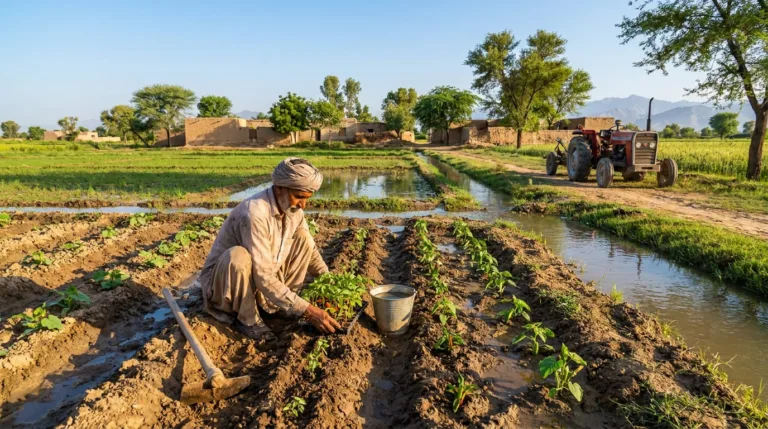
Have you ever bitten into a juicy tomato fresh from the garden and thought, “Wow, this tastes way better than the store-bought ones”? There’s something special about vegetables you grow yourself, especially during Pakistan’s hot summer months. But here’s the catch: if you want those amazing summer vegetables, you need to know exactly when to plant them. Plant too early, and your seedlings might freeze. Plant too late, and your vegetables won’t have enough time to grow before the weather gets too crazy.
Growing summer vegetables in Pakistan is like preparing for a big exam. You can’t just start studying the night before and expect great results, right? The same goes for gardening! Understanding the perfect growing times for different vegetables can mean the difference between a garden bursting with fresh produce and one that barely survives. Whether you’re in the scorching plains of Multan, the cooler hills of Murree, or anywhere in between, knowing your planting schedule is the secret to success.
Understanding Pakistan’s Summer Growing Season
Let’s talk about Pakistan’s weather for a minute. Our country has some pretty extreme temperatures, doesn’t it? Summers can get incredibly hot, with some areas reaching over 45°C (that’s 113°F!). This might sound like bad news for gardening, but here’s the cool part: many vegetables actually love the heat. The key is understanding when summer really begins in your area.
In most parts of Pakistan, the ideal time to start planting summer vegetables is between February and April. Think of this as the “pre-game warm-up” before the real heat kicks in. During these months, the weather is warm enough for seeds to sprout, but not so hot that young plants get stressed out. It’s like Goldilocks finding the porridge that’s “just right.” By starting during this window, your plants have time to develop strong roots and sturdy stems before facing the intense summer sun.
However, Pakistan is a big country with different climate zones. If you’re in northern areas like Islamabad or Peshawar, you might need to wait until mid-March or even early April. On the other hand, if you’re in southern regions like Karachi or Hyderabad, you could start as early as late February. Always pay attention to your local weather patterns!
The Quick Growers: Vegetables Ready in 50-70 Days
Some summer vegetables are like sprinters in a race, they grow super fast! These quick growers are perfect if you’re impatient (and let’s be honest, most of us are when it comes to fresh vegetables). Let’s look at some champions in this category.
Radishes are the speed demons of the vegetable world. Plant them in March, and you could be crunching on fresh radishes by late April or early May. That’s only about 25-30 days! They’re so fast that many gardeners plant them every two weeks to have a continuous supply all season long.
Cucumbers are another fantastic quick grower for Pakistan’s summer. If you plant cucumber seeds in March, you’ll typically see your first cucumbers ready to pick in about 50-60 days, around mid-May. Imagine having fresh cucumbers for raita or salad right from your own garden! The best part? Cucumber plants keep producing for weeks, so one planting gives you multiple harvests.
Summer squash and zucchini also fall into this speedy category. Plant them in early March in most parts of Pakistan, and by late April or early May, you’ll have more squash than you know what to do with. These plants are so productive that one or two plants are usually enough for a whole family.
The Steady Growers: Vegetables Taking 70-100 Days
Now let’s talk about vegetables that need a bit more patience. These are like marathon runners, they take their time but deliver amazing results. The most popular vegetables in Pakistani gardens fall into this category.
Tomatoes are probably the most loved summer vegetable in Pakistan. Whether you’re making curry, salad, or just eating them fresh, homegrown tomatoes are unbeatable. Plant tomato seedlings (not seeds directly) in February or early March, and you’ll start picking ripe tomatoes in May or June. That’s roughly 70-90 days from planting to harvest. Pro tip from MultanFarms.com: start your tomato seeds indoors in January, then transplant the seedlings outside in February for the best results.
Eggplant (or brinjal, as many Pakistanis call it) follows a similar timeline. Plant seedlings in February or March, and expect your first purple beauties in May or June, about 80-100 days later. Eggplant is especially popular in Pakistani cooking, so having fresh ones from your garden makes dishes like baingan bharta taste even more amazing.
Bell peppers (shimla mirch) also need about 70-90 days from transplanting to harvest. These colorful vegetables prefer starting their journey in late February or March. By May or June, you’ll have crunchy, sweet peppers perfect for all kinds of dishes.
The Long-Distance Champions: Vegetables Over 100 Days
Some vegetables are in it for the long haul. These require serious commitment, but the payoff is worth it!
Watermelon is the ultimate summer treat in Pakistan’s heat, right? But growing your own watermelon requires patience. From planting seeds in February or March, you’re looking at about 80-100 days (sometimes even longer) before you can enjoy that sweet, juicy fruit. That means if you plant in early March, you might be cutting into your homegrown watermelon in late May or June.
Pumpkins and winter squash are the true long-distance champions, taking anywhere from 100-120 days. Plant them in February or early March, and you won’t harvest them until May or even June. But imagine serving pumpkin dishes made from vegetables you grew yourself. Pretty cool, right?
Okra (bhindi) deserves special mention here. While it starts producing in about 50-60 days, okra plants keep going for months. Plant in March, and you’ll be harvesting fresh okra from May all the way through summer and into fall. That’s value for your effort!
Perfect Timing: Creating Your Planting Calendar
Here’s where we put it all together. Think of your garden like a school schedule, different subjects (vegetables) need different time slots for success.
February planting: This is perfect for areas that warm up early, like southern Punjab and Sindh. Start tomatoes, eggplant, and peppers as seedlings. Direct-sow melons and squash if the soil temperature is above 15°C.
March planting: This is the busiest month for most Pakistani gardeners! You can plant almost everything now: cucumbers, okra, beans, corn, more tomatoes, summer squash, and pumpkins. March is like the golden window for summer vegetables.
April planting: If you live in northern areas or high-altitude regions, April is your main planting month. You can also use April for succession planting, which means planting more of the quick growers like cucumbers and beans to keep harvests coming all summer.
Creating a simple calendar on your phone or a piece of paper helps a lot. Write down what you’re planting and when, then count forward to estimate when you’ll be harvesting. It’s like tracking your favorite sports team’s schedule, except the reward is delicious vegetables!
Smart Tips for Success in Pakistan’s Climate
Growing vegetables in Pakistan’s intense summer heat requires some special tricks. The good news? Generations of Pakistani farmers have figured out what works best.
Water wisely: During Pakistan’s summer, water is your vegetables’ best friend. Most summer vegetables need watering every day, sometimes twice a day during the hottest months. Early morning watering is best because plants can absorb moisture before the intense afternoon heat. Think of it like drinking water before playing sports, you need to hydrate before the hard work begins!
Use mulch: Adding a layer of dried leaves, straw, or grass clippings around your plants is like giving them a protective blanket. Mulch keeps soil cooler, holds moisture, and prevents weeds. In Pakistan’s heat, mulch can be the difference between plants that thrive and plants that struggle.
Provide shade during extreme heat: When temperatures climb above 40°C, even heat-loving vegetables can get stressed. Setting up a simple shade cloth or planting near taller crops that provide afternoon shade can protect your vegetables during the worst heat waves.
Conclusion
Growing summer vegetables in Pakistan isn’t rocket science, but it does require understanding the right timing for your specific region. Whether you’re growing quick crops like radishes and cucumbers or taking on longer challenges like watermelons and pumpkins, starting at the right time makes all the difference. Remember, most summer vegetables do best when planted between February and April, giving them time to establish before Pakistan’s intense summer heat arrives.
The beauty of vegetable gardening is that it connects you with nature’s rhythms and rewards your patience with fresh, delicious food. Plus, there’s something really satisfying about eating vegetables you grew yourself, isn’t there? So what are you waiting for? Check your local climate, mark your calendar, and get ready to start your summer vegetable garden. Who knows? Maybe by summer, you’ll be sharing fresh tomatoes with your neighbors and family, all thanks to planting at just the right time!
What summer vegetable are you most excited to grow this year?