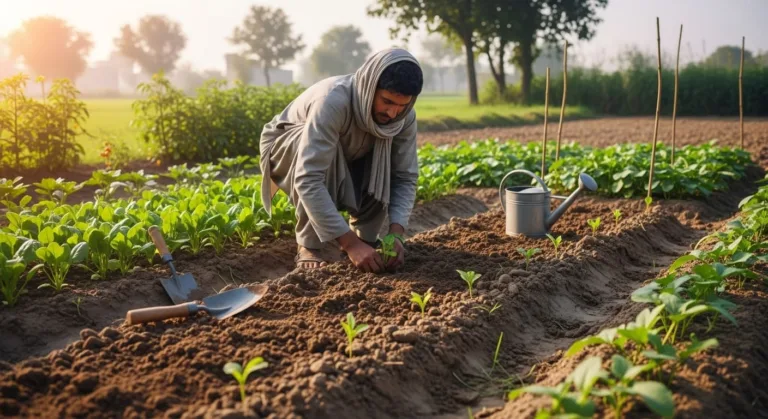
Have you ever planted a tomato seed in the middle of summer and wondered why it just wouldn’t grow? Or maybe you’ve seen your neighbor’s garden bursting with fresh vegetables while yours barely sprouted? Here’s the secret: timing is everything! Just like you wouldn’t wear a winter jacket in July, vegetables have their favorite seasons too. In Punjab, knowing when to plant what can make the difference between a thriving garden and a total flop.
Punjab’s climate is pretty unique. We get scorching summers, chilly winters, and two amazing growing seasons in between. If you want to grow your own fresh vegetables, whether it’s juicy tomatoes, crunchy carrots, or spicy green chilies, you need to understand when each vegetable likes to grow. Think of it like scheduling your favorite activities, you wouldn’t plan a cricket match during a rainstorm, right? Plants are just as picky about their timing!
In this article, we’ll explore Punjab’s vegetable growing calendar so you can become a gardening pro. You’ll learn which vegetables to plant in each season, why timing matters so much, and how to plan your garden for year-round fresh produce. Let’s dig in!
Understanding Punjab’s Unique Climate and Seasons
Punjab has what farmers call a “semi-arid” climate, which basically means we get really hot summers and relatively cool winters. Unlike places that have mild weather all year, we experience extreme temperatures that totally change what we can grow.
Our year divides into four main seasons. Winter runs from November to February, bringing cooler temperatures perfect for certain vegetables. Spring (March to April) is short but sweet, with moderate weather that many plants love. Summer (May to September) gets intensely hot, which is tough for most vegetables but perfect for a few heat-loving champions. Finally, autumn (October to November) gives us another wonderful planting window as temperatures cool down again.
Here’s what makes Punjab special: we actually get two main growing seasons instead of one! The Rabi season (winter crops) runs from October to March, while the Kharif season (summer crops) goes from April to September. Most vegetables prefer the cooler Rabi season because the extreme summer heat can stress out plants. Understanding these seasons is like having a secret code to unlock the best harvest possible!
Winter Champions: What to Plant from October to February
Winter vegetables are the rock stars of Punjab’s gardens! This is when you’ll get the best results because temperatures range from cool to mild, which most vegetables absolutely love. Think of it like Goldilocks finding the perfect porridge, not too hot, not too cold, but just right!
Leafy greens dominate the winter garden. Spinach (palak), lettuce, cabbage, and cauliflower thrive during these months. Plant spinach anytime from September through January, and you’ll be harvesting fresh leaves in just 40-50 days. Cauliflower takes longer (about 2-3 months), but it’s totally worth the wait. The cool nights help these vegetables develop their best flavor and texture.
Root vegetables like carrots, radishes, turnips, and beets are also winter favorites. You can plant radishes in October or November, and they’ll be ready to eat in less than a month! Carrots take a bit longer (around 2-3 months), but they develop a sweet, crunchy taste in the cool weather. Here’s a cool fact: frost actually makes carrots taste sweeter because the cold converts some of their starches into sugar!
Peas are another winter superstar. Plant them from October to December, and by January or February, you’ll have fresh, sweet peas to enjoy. They grow best when temperatures are between 10-20°C, which is perfect for Punjab’s winter. Plus, peas actually help improve your soil by adding nitrogen, which other plants need to grow strong and healthy.
Don’t forget about onions and garlic! Plant them in November or December, and they’ll slowly grow throughout winter, ready for harvest in spring. These aren’t just tasty, they’re also super low-maintenance and don’t need much water or care.
Summer Survivors: Heat-Loving Vegetables for Hot Months
When temperatures soar above 40°C, most vegetables struggle. But a few tough plants actually enjoy the heat! These are your summer champions, and while the list is shorter, they’re incredibly valuable.
Okra (bhindi) is probably the king of summer vegetables in Punjab. Plant it from March to June, and it’ll keep producing all summer long. Okra actually needs hot weather to grow well, temperatures below 20°C will stop its growth completely. It’s like that friend who loves summer and complains about winter!
Bottle gourd, bitter gourd, and ridge gourd are climbing vegetables that handle heat beautifully. Plant them in March or April, and they’ll vine up any support you give them. The large leaves actually create shade that keeps the roots cool, which is pretty smart! These gourds need lots of water during summer, so make sure you’re watering them regularly, preferably in the early morning or evening.
Tomatoes and peppers can grow in summer, but you need to plant them at the right time. Start tomatoes in February or early March so they can establish before the intense heat hits. For peppers and chilies, February through April works great. These plants can handle warmth, but they’ll struggle if planted in May when it’s already blazing hot.
Here’s a pro tip: if you’re growing summer vegetables, try providing some shade during the hottest part of the day. You can use shade nets or even plant taller crops nearby to create natural shade. It’s like giving your plants their own umbrella!
The Perfect Planting Windows: Spring and Autumn
Spring (March-April) and autumn (October-November) are what we call “transition seasons,” and they’re absolutely magical for gardening! The weather is mild, not too hot and not too cold, which means you have tons of options.
During these months, you can plant almost anything. This is your chance to grow vegetables that need moderate temperatures but can’t handle extremes. Beans (both bush beans and pole beans) love these transition periods. Plant them in March or October, and they’ll be ready in about 2 months. They’re super productive, giving you multiple harvests if you keep picking them regularly.
Cucumbers and squash also thrive when planted in March or September. They need warm soil to germinate but don’t want the extreme summer heat. If you time it right, you can get huge cucumbers by early summer when they’re most refreshing!
Potatoes are interesting because you can plant them twice a year! October-November is the main season, but you can also plant an early crop in January-February. They need about 3-4 months to grow, so plan accordingly. Imagine having fresh homegrown potatoes for both summer and winter meals!
This is also when you can plant coriander (dhania) and other herbs. These transition seasons give you the flexibility to experiment and try different vegetables without worrying too much about weather extremes.
Creating Your Year-Round Vegetable Calendar
Want to have fresh vegetables all year? The trick is planning! Think of your garden like a relay race, where one crop finishes just as another begins. This is called “succession planting,” and it’s how smart gardeners keep their gardens productive all year long.
Here’s how to do it: make a simple calendar and mark which months work for each vegetable. For example, in October, plant your winter vegetables like spinach, carrots, and cauliflower. While those are growing, plan what you’ll plant in March (tomatoes, cucumbers, beans). When summer hits, have your okra and gourds ready to go.
You can also plant the same vegetable multiple times! Instead of planting all your radish seeds in October, plant some in October, more in November, and more in December. This way, you’ll have fresh radishes for three months instead of having them all ready at once. It’s like watching your favorite show one episode at a time instead of binge-watching it all in one day!
Keep notes about what works and what doesn’t. Did your tomatoes do better when planted in February or March? Did the October spinach taste better than the January planting? This information becomes super valuable for next year’s garden. You’re basically becoming a scientist, experimenting and recording results!
Common Mistakes to Avoid and Pro Tips
Even experienced gardeners make mistakes, so don’t worry if your first attempts aren’t perfect! Here are some common problems and how to avoid them.
The biggest mistake? Planting at the wrong time. It’s tempting to plant everything at once, but if you put winter vegetables in May or summer crops in December, they’ll struggle or fail completely. Always check the season requirements before planting. It’s like trying to ice skate in summer, technically possible but definitely not ideal!
Not preparing the soil is another huge issue. Vegetables need rich, healthy soil to grow well. Before planting, mix in compost or well-rotted manure. Think of it as giving your plants a nutritious breakfast, they’ll grow stronger and produce better!
Irregular watering causes lots of problems. Too much water drowns plants, while too little stresses them out. Most vegetables need consistent moisture, especially when they’re young. Water deeply but less frequently rather than shallow watering every day. This encourages roots to grow deeper, making plants stronger.
Here’s a pro tip that many people don’t know: start seeds indoors or in a nursery bed for certain vegetables like tomatoes, peppers, and cauliflower. Once they’re a few weeks old and stronger, transplant them to your main garden. This gives them a head start and protects young seedlings from harsh weather or pests.
Why This Matters for Your Garden Success
Understanding Punjab’s vegetable growing calendar isn’t just about following rules, it’s about working with nature instead of against it! When you plant vegetables during their preferred season, they grow faster, taste better, and need less care. It’s a win-win situation!
Plus, growing your own vegetables is incredibly rewarding. There’s something special about eating a salad made from vegetables you grew yourself. You know exactly how they were grown, you save money at the market, and you get the freshest produce possible. Not to mention, gardening is a fun outdoor activity that teaches patience and responsibility.
Whether you have a big backyard, a small terrace, or just some pots on a balcony, you can grow vegetables successfully in Punjab if you plant them at the right time. Start small with easy vegetables like radishes or spinach, learn from each season, and gradually expand your garden.
So, what vegetable are you going to plant first? Will you start with quick-growing radishes this winter, or wait for spring to try juicy tomatoes? Remember, the best time to start gardening was yesterday, but the second-best time is today. Grab some seeds, check the calendar, and let’s get growing!