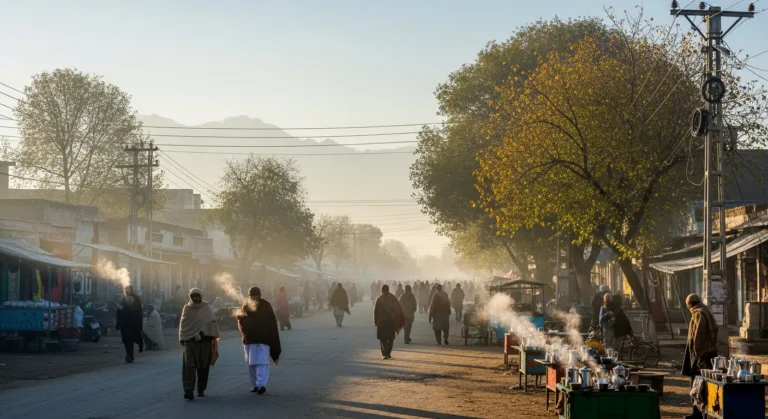
Have you ever noticed how some mornings in Pakistan suddenly feel cooler, and you find yourself reaching for a light jacket? That’s usually the first sign that winter is on its way! But if you’re wondering exactly when winter will start in Pakistan, you’re not alone. Many students, families, and farmers across the country ask this same question every year, especially as they watch the leaves change and feel that crisp breeze in the air.
Pakistan’s winter season is pretty special because different parts of the country experience it differently. Someone living in the northern mountains might be building snowmen while someone in the southern coastal areas is still wearing shorts! Understanding when winter starts can help you plan your wardrobe, prepare for school holidays, and even know when to expect those delicious winter foods like gajar ka halwa and roasted peanuts. Let’s dive into everything you need to know about Pakistan’s winter season and when you can expect it to arrive.
The Official Start of Winter in Pakistan
So, when does winter actually begin? In Pakistan, winter officially starts in mid-November and lasts until late February or early March. However, the exact timing can vary depending on where you live in the country. Think of it like this: winter doesn’t arrive all at once like flipping a light switch. Instead, it creeps in gradually, like how the sun sets slowly rather than disappearing in an instant.
The Pakistan Meteorological Department (that’s the group of scientists who study weather patterns) typically marks November 15th as the beginning of winter. But here’s the thing, you might start feeling cooler temperatures even in late October, especially if you live in northern regions like Murree, Swat, or Gilgit-Baltistan. On the other hand, if you’re in Karachi or other southern areas, you might not feel that winter chill until December!
How Winter Feels Different Across Pakistan
Pakistan is a huge country with incredibly diverse geography, which means winter doesn’t look or feel the same everywhere. Let’s break down what you can expect in different regions.
In the northern mountains, winter comes early and stays late. Places like Hunza, Skardu, and Chitral often see their first snowfall in November, and temperatures can drop way below freezing. Imagine waking up to a world completely covered in white snow, that’s what kids in these areas experience! Schools sometimes close because of heavy snowfall, and people stock up on firewood and warm clothes.
The central plains, including cities like Lahore, Islamabad, Faisalabad, and Multan, experience a milder winter. Here, winter typically arrives in late November or early December. You’ll notice morning fog becoming thicker, and you’ll probably need a sweater or jacket when heading out. Temperatures usually range from around 5°C on the coldest nights to about 20°C during the day.
In the southern regions, particularly in Karachi and coastal areas of Sindh and Balochistan, winter is much gentler. It rarely gets uncomfortably cold, and many people still wear light clothing during the day. Winter here feels more like a pleasant cool season rather than the freezing cold you’d experience up north.
What Makes Winter Start When It Does?
You might be wondering why winter doesn’t start on the same date everywhere or why it happens at all. Great question! Winter in Pakistan, like everywhere in the Northern Hemisphere, is caused by the Earth’s position relative to the sun. Here’s a simple way to think about it: imagine the Earth is tilted like a spinning top that’s slightly leaning to one side.
From around late November through February, the northern part of Earth (where Pakistan is located) tilts away from the sun. This means sunlight hits us at a slant rather than directly overhead, kind of like how a flashlight beam spreads out and gets dimmer when you shine it at an angle instead of straight on. Less direct sunlight means less warmth, and that’s why we get winter!
Another factor that affects winter’s arrival is something called the Western Disturbance. These are weather systems that come from the Mediterranean Sea and bring cold winds and sometimes rain or snow to Pakistan. When these disturbances arrive in November and December, they can make temperatures drop suddenly, signaling that winter has truly arrived.
Signs That Winter Is Coming
Before winter officially starts, nature gives us plenty of clues that change is in the air. Have you noticed any of these signs?
The mornings and evenings start getting noticeably cooler, even if afternoons are still warm. You might see your breath forming little clouds when you exhale in the early morning. That’s because the moisture in your breath condenses when it hits the cold air! The night sky becomes clearer and more beautiful because winter air has less humidity and dust. This is actually the best time for stargazing if you’re interested in astronomy.
Trees that lose their leaves (we call them deciduous trees) start shedding them, preparing to conserve energy during the cold months. Birds begin migrating, too. You might spot different species of birds that come to Pakistan from even colder countries like Siberia and Central Asia. They’re basically taking a winter vacation in our country because even our coldest weather is warmer than where they come from!
Why Winter Matters for Multan and Farming
If you’re reading this on Multanfarms.com, you’re probably curious about how winter affects farming, especially in cities like Multan. Winter is actually a super important season for agriculture in Pakistan! Many crops grow best during the cooler months when there’s less heat stress on plants.
In Multan and surrounding agricultural areas, farmers plant their rabi crops (that’s the term for winter crops) around October and November, right before winter truly sets in. These include wheat, which is Pakistan’s most important food crop, along with barley, mustard, and various vegetables like carrots, radishes, and peas. The cooler temperatures and occasional winter rains help these crops grow strong and healthy.
Citrus fruits like oranges, which Multan is famous for, also ripen during winter. Have you ever noticed that the sweetest, juiciest oranges appear in markets during December and January? That’s because the cool nights actually help the fruit develop more sugar, making them tastier! Farmers carefully monitor weather forecasts during winter because unexpected frost can damage crops, while too little cold might mean some crops don’t grow properly.
What to Expect This Winter Season
While we can’t predict the weather with 100% accuracy months in advance, meteorologists study patterns to give us a general idea of what to expect. Based on historical data, winter 2025-2026 in Pakistan will likely follow the usual pattern, with temperatures starting to drop in mid-November across most of the country.
Northern areas should expect their first significant snowfall sometime between late November and early December. The plains and central regions will probably experience morning fog and temperatures dipping to single digits (in Celsius) by December. Southern areas will enjoy pleasant, cool weather perfect for outdoor activities.
Climate scientists have also noted that winters in Pakistan have been getting slightly warmer over the past few decades due to climate change. This means we might not see as many extremely cold days as our grandparents remember from their childhood. However, this doesn’t mean winter is disappearing, it just might feel a bit different than it used to!
Getting Ready for Winter’s Arrival
Knowing when winter starts helps you prepare for it properly. As November approaches, it’s a good idea to pull out your warm clothes and make sure they still fit (we all know how fast you can grow in middle school!). Stock up on hot chocolate or your favorite warm drinks, and maybe ask your family to prepare some winter special foods.
For students, winter often means mid-year exams and then winter holidays, so it’s a good time to plan how you’ll balance studying with enjoying the season. If you live in an area that gets really cold, make sure your home has proper heating arrangements, whether that’s heaters, warm blankets, or good insulation.
Wrapping It All Up
So, to answer the big question: winter in Pakistan typically starts in mid-November and runs through February or early March, though the exact timing and intensity vary dramatically depending on where you live. Whether you’re excited about playing in snow, enjoying warm soup, or just looking forward to a break from the summer heat, understanding when winter arrives helps you make the most of this beautiful season.
Winter is more than just cold weather, it’s a time when nature rests and renews itself, when certain crops grow, and when families gather around warmth and good food. It’s also a reminder of how amazing our planet is, with its changing seasons and diverse climates. Now that you know when to expect winter, what are you most looking forward to about the upcoming cold season? Will you be watching the first snowfall, enjoying winter fruits, or maybe just appreciating those cozy evenings wrapped in a warm blanket?