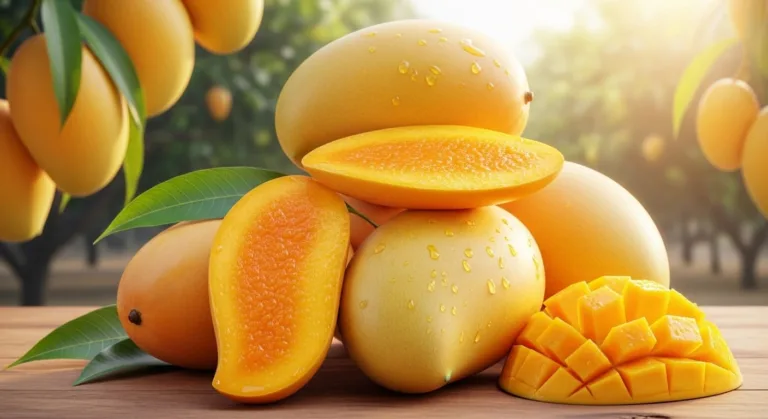
Picture this: you’re biting into a perfectly ripe mango, and the juice is dripping down your chin, the flesh is so sweet it’s almost like candy, and the flavor is so intense you can’t help but close your eyes and savor every second. Now imagine that feeling multiplied by ten. That’s what eating a mango from Multan is like! This ancient city in Pakistan has earned the title of “City of Mangoes,” and once you learn why, you’ll understand what all the fuss is about.
Multan isn’t just any place that grows mangoes. It’s been perfecting the art of mango cultivation for centuries, creating varieties that fruit lovers around the world dream about. The city’s unique climate, rich soil, and generations of farming knowledge have combined to produce some of the most incredible mangoes you could ever taste. We’re talking about fruit so good that people literally plan their year around mango season!
In this article, we’re going to explore what makes mangoes in Multan so special. You’ll discover the science behind their sweetness, learn about the famous varieties that grow there, and find out why this one city in Pakistan has become synonymous with mango excellence. Get ready to learn about fruit that’s way more interesting than you ever imagined!
What Makes Multan the Perfect Mango Paradise?
Ever wonder why certain places are famous for specific foods? Like how Wisconsin is known for cheese or Florida for oranges? It’s all about the perfect combination of climate, soil, and expertise. Multan has hit the jackpot when it comes to growing exceptional mangoes, and it’s not just luck.
First, let’s talk about the climate. Multan experiences scorching hot summers where temperatures can soar above 110°F (that’s about 45°C!). While this might sound miserable for humans, mango trees absolutely love it. Mangoes are tropical fruits that need serious heat and sunshine to develop their complex sugars and flavors. The long, hot summers in Multan give the mangoes plenty of time to ripen slowly on the tree, which is crucial for developing that incredible sweetness. Think of it like slow-cooking a meal instead of microwaving it, the slower process creates way better flavor.
The soil in Multan is another secret ingredient. The region has rich, alluvial soil (that’s soil deposited by rivers over thousands of years) that’s packed with nutrients. This soil drains well, which mangoes love because they don’t like their roots sitting in water, but it also holds onto just enough moisture to keep the trees happy during the hot season. It’s kind of like Goldilocks and the three bears, not too wet, not too dry, but just right!
But here’s what really sets Multan apart: the people. Farming families in Multan have been growing mangoes for generations, passing down knowledge from grandparents to parents to children. They know exactly when to water, how to prune the trees, and when each variety reaches peak ripeness. This expertise can’t be bought or learned from a book, it comes from years of hands-on experience and really understanding the fruit.
The Rock Stars of Multan Mango Varieties
If mangoes were a boy band, Multan would be home to all the biggest hits! The city grows several varieties of mangoes, each with its own fan club and special characteristics. Let’s meet the superstars.
Chaunsa is basically the Beyoncé of mangoes, beloved, celebrated, and absolutely iconic. This variety is medium to large in size with golden-yellow skin when ripe. The flesh is incredibly smooth, almost buttery, with very little fiber (those annoying stringy bits you sometimes get in mangoes). What makes Chaunsa really special is its perfect balance of sweetness and subtle tanginess, plus an aroma that’ll make your whole kitchen smell amazing. When mango season hits Multan from late June through August, Chaunsa is what everyone’s waiting for.
Sindhri mangoes are the gentle giants of the mango world. These bad boys can get pretty big, sometimes weighing over a pound each! They have bright yellow skin and flesh that’s sweet, juicy, and relatively fiber-free. Sindhri ripens a bit earlier than Chaunsa, usually showing up in late May, which makes it one of the first premium varieties of the season. If you’re the type who can’t wait for good things, Sindhri is your mango.
Anwar Ratol might be smaller than the others, but don’t let that fool you! This variety packs an incredible punch of sweetness in a compact package. The flesh is deep orange-yellow and super aromatic. Anwar Ratol has a devoted following of people who swear it’s the sweetest mango variety in existence. It’s like the concentrated juice version of mangoes, all the flavor packed into a smaller space!
Then there’s Langra, which is kind of the rebel of the group. Unlike other mangoes that turn yellow when ripe, Langra stays greenish even when it’s perfectly ready to eat. New mango eaters sometimes make the mistake of thinking it’s not ripe yet! Langra has a unique flavor that’s less sweet and more tangy compared to other varieties, which some people absolutely love. It’s proof that not all mangoes have to follow the same rules.
The Journey from Tree to Table
Ever thought about what happens between a mango hanging on a tree in Multan and you being able to enjoy it? The process is actually pretty fascinating and requires careful attention at every step to make sure those delicious mangoes arrive in perfect condition.
It all starts with the flowering season in spring. Mango trees produce clusters of small, fragrant flowers, but not all of them will turn into fruit. Farmers carefully monitor the trees during this time, making sure they get the right amount of water and nutrients. Too much water during flowering can actually be bad because it can cause the flowers to drop off before they develop into fruit. It’s a delicate balance that requires experience to get right.
As the tiny mangoes start to form, farmers thin them out, which means removing some of the developing fruit. This might seem wasteful, but it’s actually super important! By reducing the number of mangoes on each branch, the remaining ones get more nutrients and grow bigger and sweeter. It’s like how a pizza shared between two people gives everyone more slices than the same pizza shared between ten people.
Harvesting is an art form in Multan. Farmers don’t just pick mangoes based on a calendar date, they look at specific signs that each variety is ready. For most mangoes, this includes checking the color, feeling the firmness, and even looking at the development of the “shoulder” near the stem. Experienced pickers can tell if a mango is ready just by looking at it! The mangoes are carefully hand-picked (no shaking the tree!) and placed gently in baskets to avoid bruising.
After harvest, mangoes from quality sources like Multanfarms.com are sorted by size and ripeness, then packed carefully for shipping. Some are allowed to ripen completely on the farm, while others are picked at just the right stage so they’ll ripen perfectly during transport. The whole process requires timing, expertise, and a genuine love for the fruit.
Why Multan Mangoes Taste Different (Science Edition!)
Okay, so we’ve talked about how awesome Multan mangoes are, but what’s actually happening inside those fruits to make them taste so incredible? Let’s dive into some cool science!
The sweetness in mangoes comes from natural sugars, mainly sucrose, fructose, and glucose. As mangoes ripen, starches in the fruit convert to these sugars through chemical reactions. The hot Multan climate and the long ripening period mean this conversion process happens slowly and completely, resulting in super high sugar content. Some Multan mangoes can have sugar levels of 20% or higher, that’s like getting a piece of fruit that’s one-fifth pure sugar!
But sweetness alone doesn’t make a great mango. The magic happens when you combine sweetness with acids (which give tanginess) and aromatic compounds (which create that amazing mango smell). Multan mangoes have the perfect ratio of all three. Think of it like making the perfect smoothie, you need the right balance of all your ingredients, not just a ton of one thing.
The soil composition in Multan also affects the mineral content of the fruit. Minerals like potassium, magnesium, and calcium get absorbed by the tree roots and end up in the mangoes, contributing to their overall flavor profile and nutritional value. It’s similar to how wine experts talk about “terroir,” the idea that the unique characteristics of a place affect how the food tastes.
Temperature changes between day and night also play a role. Multan’s hot days followed by cooler nights create a stress on the fruit that actually improves flavor development. During the hot day, the mango produces sugars through photosynthesis, and during the cooler night, it conserves energy and concentrates those flavors. Over weeks and months, this daily cycle creates incredibly flavorful fruit.
How to Spot and Enjoy a Perfect Multan Mango
So you’ve got your hands on some mangoes from Multan, awesome! But how do you know when they’re ready to eat, and what’s the best way to enjoy them? Let’s break it down.
First, the ripeness test. A ripe mango should give slightly when you gently squeeze it, kind of like a tennis ball. If it’s rock hard, it needs more time. If it’s super mushy, you’ve waited too long! The skin should have a fruity, sweet aroma near the stem end. If it smells fermented or weird, that’s not good. For varieties like Chaunsa and Sindhri, the skin should be mostly yellow with maybe some green spots. But remember, Langra stays green, so don’t judge that one by color!
If your mangoes aren’t quite ripe yet, leave them at room temperature in a paper bag (the bag traps ethylene gas that helps fruit ripen faster). Once they’re perfect, you can put them in the fridge to slow down the ripening and keep them good for a few extra days. Never refrigerate unripe mangoes though, they won’t ripen properly in the cold and might never reach their full potential.
When it’s time to eat, there are tons of ways to enjoy Multan mangoes. The classic method is to simply peel and slice them, letting the pure flavor shine through. Some people like to cut off the “cheeks” (the big meaty sides on either side of the pit), score the flesh in a crosshatch pattern, and pop it inside out for easy eating. Or you can go traditional and just bite into it, letting the juice run down your chin (do this over a sink!).
Multan mangoes are so flavorful they’re perfect on their own, but they’re also amazing in smoothies, on top of yogurt, in fruit salads, or even in savory dishes like mango salsa or chutney. In South Asian cuisine, both ripe and unripe mangoes are used in all sorts of creative ways. The possibilities are endless!
Supporting the Mango Magic
When you buy mangoes from Multan, especially from sources like Multanfarms.com that work directly with farmers, you’re supporting an incredible agricultural tradition. These aren’t mass-produced fruits grown on factory farms, they’re the result of generations of careful cultivation and genuine expertise.
The farmers in Multan take immense pride in their mangoes. Many farming families have orchards that have been in their family for decades or even centuries. They’ve developed deep knowledge about their specific trees and land. Supporting these farmers means helping preserve this traditional knowledge and ensuring that future generations can continue growing these exceptional fruits.
Quality sources also ensure fair treatment of workers and sustainable farming practices. This means the people doing the hard work of growing, harvesting, and packing your mangoes are treated well and paid fairly. It also means the land is cared for properly so it can keep producing amazing fruit for years to come.
The Sweet Truth About Multan Mangoes
Mangoes in Multan aren’t just fruit, they’re a combination of perfect geography, centuries of expertise, and genuine passion for growing the best. From the nutrient-rich soil to the scorching summer sun to the skilled hands that tend each tree, everything comes together to create something truly special. These mangoes have earned their reputation as some of the finest in the world, and once you try them, you’ll understand why people get so excited when mango season arrives.
Whether you’re already a mango fanatic or you’ve never really thought much about where your fruit comes from, Multan mangoes offer a chance to experience something genuinely exceptional. They’re a reminder that the best food comes from places where people truly care about what they’re growing and have the perfect natural conditions to support it.
So next time you have the chance to try a mango from Multan, grab it! Your taste buds will thank you. And who knows, you might just join the ranks of mango enthusiasts who count down the days until the next season. What’s stopping you from experiencing the sweetest mangoes on earth?