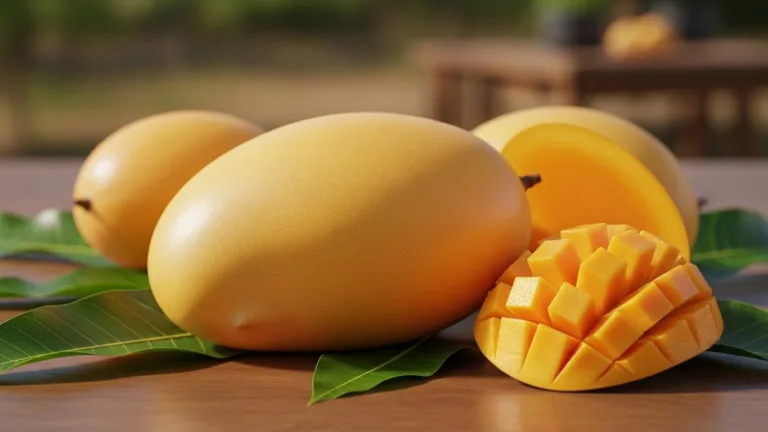
Picture this: you’re biting into a juicy, golden slice of mango on a hot summer day. The sweet flavor explodes in your mouth, and sticky juice drips down your chin. It’s messy, it’s delicious, and it’s absolutely worth it! But have you ever stopped to wonder about this amazing fruit? Mangos aren’t just tasty snacks, they’re actually one of the most fascinating fruits on the planet.
Here’s something that might surprise you: mangos have been around for over 4,000 years! That means people were enjoying these tropical treats way before smartphones, cars, or even pizza were invented. Today, mangos are grown in tropical regions all over the world, and they’re loved by millions of people. From their incredible health benefits to their surprising history, mangos have some seriously cool secrets to share.
In this article, we’ll explore everything you need to know about mangos, from where they come from to why they’re so good for you. Get ready to become a mango expert!
Where Did Mangos Originally Come From?
Mangos have an ancient history that starts in South Asia, particularly in India, Pakistan, and Burma (now called Myanmar). In fact, mango trees have been growing in these regions for thousands of years. Ancient Indian texts mention mangos, and they were considered so special that they became a symbol of love and prosperity.
Here’s a fun fact: mango trees can live for more than 100 years and still produce fruit! Some trees in India are said to be over 300 years old. Imagine eating fruit from a tree that was alive when your great-great-great-great-grandparents were kids! Buddhist monks are believed to have taken mango seeds on their travels, spreading this delicious fruit to other parts of Asia and eventually to Africa, Brazil, and other tropical regions.
Today, India is still the world’s largest producer of mangos, growing millions of tons each year. But you can also find mango farms in countries like Mexico, Thailand, the Philippines, and even in warm parts of the United States like California and Florida. Right here at Multanfarms.com, we’re proud to grow premium quality mangos that carry on this ancient tradition.
How Many Types of Mangos Actually Exist?
You might think a mango is just a mango, but you’d be amazed to learn there are actually over 1,000 different varieties of mangos worldwide! Each type has its own unique flavor, color, and texture. It’s kind of like how there are hundreds of different types of apples, except mangos have way more variety.
Some of the most popular types include the Alphonso mango, which is known as the “King of Mangos” because of its incredibly sweet taste and smooth texture. There’s also the Tommy Atkins variety, which you’ve probably seen in grocery stores. It has a reddish skin and is great for shipping because it’s pretty tough. The Ataulfo mango (sometimes called the honey mango) is smaller and bright yellow, with very little fiber and an extra-sweet flavor.
Different varieties are better for different things. Some are perfect for eating fresh, while others are ideal for making smoothies, juices, or even pickles! In countries like India and Pakistan, people use raw green mangos to make tangy chutneys and snacks. The variety of mangos means there’s literally a type for everyone’s taste preferences.
What Makes Mangos So Incredibly Healthy?
Mangos aren’t just delicious, they’re basically nature’s multivitamin! One cup of sliced mango gives you 100% of your daily vitamin C needs. That’s the same vitamin that helps your immune system fight off colds and keeps your skin healthy. Think of vitamin C as your body’s defense system, and mangos are like sending in reinforcements.
But vitamin C is just the beginning. Mangos are also packed with vitamin A, which is essential for good eyesight. Remember when your parents told you to eat carrots so you could see in the dark? Well, mangos do the same thing! They also contain fiber, which helps your digestive system work smoothly. Plus, they have antioxidants, which are special compounds that protect your cells from damage, kind of like tiny bodyguards for your body.
Here’s another cool benefit: mangos contain enzymes that help break down proteins, making them easier to digest. This is why some people eat mango after a heavy meal. And despite being super sweet, one cup of mango only has about 100 calories, making it a much healthier choice than candy or cookies when you’re craving something sweet.
Why Do Mangos Make Some People Itchy?
Have you ever heard someone say they can’t eat mangos because they get a rash? This happens to some people, and there’s actually a scientific reason for it! Mango skin contains a substance called urushiol, which is the same irritating oil found in poison ivy. For people who are sensitive to it, touching or eating mango skin can cause an itchy rash around their mouth or on their hands.
The good news is that the flesh of the mango (the part you actually eat) doesn’t contain this oil. So if you peel the mango carefully and avoid touching the skin to your face, you can usually enjoy the fruit without any problems. It’s also why you might notice that mangos in the grocery store have stickers warning about possible skin sensitivity.
Interestingly, not everyone reacts to mango skin. Many people can handle mangos just fine and never experience any itching. If you do notice a reaction, just make sure to wash your hands after handling the skin, and consider having someone else peel your mangos for you!
How Do You Know When a Mango Is Perfectly Ripe?
Picking the perfect mango is both an art and a science. Unlike some fruits, you can’t just look at the color to tell if it’s ripe. Some mangos stay green even when they’re ready to eat, while others turn yellow, orange, or red. So color alone won’t help you much!
The best way to check if a mango is ripe is to gently squeeze it. A ripe mango will give slightly when you press it, kind of like how a ripe peach or avocado feels. If it’s rock hard, it needs more time to ripen. If it’s too mushy, you’ve waited too long! You can also smell the stem end of the mango. A ripe mango will have a sweet, fruity aroma. If it smells sour or like alcohol, it’s probably overripe.
Here’s a pro tip: if you buy mangos that aren’t quite ripe yet, you can speed up the ripening process by putting them in a paper bag with a banana or apple. These fruits give off a natural gas called ethylene that helps other fruits ripen faster. Leave them at room temperature for a day or two, and your mangos will be perfect! Once they’re ripe, you can store them in the refrigerator to keep them fresh for about five more days.
What Are Some Surprising Ways People Use Mangos?
When you think of mangos, you probably think of eating fresh slices or drinking mango smoothies. But people around the world use mangos in some pretty creative and unexpected ways! In many Asian countries, unripe green mangos are sliced thin and eaten with salt, chili powder, and lime juice as a tangy snack. It’s completely different from the sweet ripe mango you might be used to.
Mango leaves are also used in traditional medicine and cultural ceremonies in India. They’re sometimes hung over doorways during festivals for good luck. The wood from mango trees is valued for making furniture and musical instruments. And here’s something really cool: mango seed butter is sometimes used in cosmetics like lotions and lip balms because it’s so moisturizing.
In cooking, mangos can be used in both sweet and savory dishes. You’ll find them in fruit salads, ice cream, and pies, but also in salsas, curries, and chutneys. Dried mango is a popular snack, and mango powder (called amchur) is used as a spice in Indian cooking to add a sour, tangy flavor to dishes. The versatility of mangos means they show up in cuisines all around the world in ways you might never expect!
Bringing It All Together
From their ancient origins in South Asia to their status as one of the world’s most beloved fruits, mangos have earned their reputation as the “king of fruits.” They’re not just incredibly delicious, they’re also packed with vitamins and nutrients that keep your body healthy and strong. Whether you prefer them sweet and ripe or tangy and green, there’s a mango variety and preparation method for everyone.
The next time you enjoy a mango, think about the thousands of years of history in every bite. Consider the farmers who carefully tend to mango trees, the incredible journey that fruit took to reach your plate, and all the amazing health benefits you’re getting. At Multanfarms.com, we’re dedicated to bringing you the highest quality mangos so you can experience all the goodness this remarkable fruit has to offer.
So here’s a question for you: now that you know all these amazing facts about mangos, will you look at them differently the next time you see them at the store? Maybe you’ll even try a variety you’ve never tasted before!