Imagine biting into the juiciest, sweetest, most delicious fruit you’ve ever tasted. The juice drips down your chin, and you can’t help but smile because it’s just that good. Now, what if I told you that there’s a city in Pakistan that grows mangoes so amazing, they’re famous all around the world? Welcome to Multan, the mango capital that produces fruits so incredible, people call them the “king of fruits.”
Multan is a historic city in Pakistan that’s been growing mangoes for centuries. The mangoes from this region aren’t just any ordinary mangoes, they’re special in ways that make fruit lovers everywhere dream about them. From their unique sweetness to their perfect texture, Multan mangoes have earned a legendary reputation that stretches across continents.
So what makes these mangoes so special? Why do people get so excited about fruit from one particular city? Let’s dive into the delicious world of Multan mangoes and discover what makes them truly extraordinary.
The Perfect Climate for Perfect Mangoes
Have you ever noticed how certain foods just taste better when they’re grown in specific places? Like how maple syrup from Vermont is super famous, or how Florida oranges are known for being extra juicy? Multan has the exact same thing going on with its mangoes, and it all comes down to the weather.
Multan has what scientists call a “semi-arid climate,” which is a fancy way of saying it’s hot and dry for most of the year. During the summer, temperatures can soar above 100°F! While that might sound uncomfortable for us, mango trees absolutely love it. The intense heat and long sunny days give the mangoes plenty of time to soak up all that sunshine and convert it into natural sugars. Think of it like solar panels, but instead of making electricity, the mango trees are making sweetness.
The soil in Multan is also pretty special. It’s rich in minerals and has great drainage, which means water doesn’t just sit around the roots and cause problems. Instead, the mango trees get exactly the right amount of water they need, no more, no less. It’s like having a perfect recipe where every ingredient is measured just right. This combination of blazing sunshine, ideal soil, and careful water management creates the perfect conditions for growing world-class mangoes.
The Famous Varieties You Need to Know
Not all Multan mangoes are the same! Just like there are different types of apples (like Granny Smith, Red Delicious, or Honeycrisp), Multan produces several varieties of mangoes, each with its own unique personality. Let’s meet the superstars of the mango world.
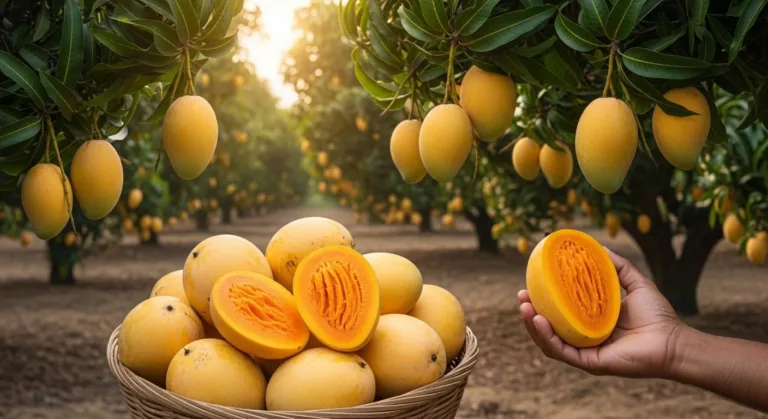
Chaunsa is probably the most famous variety, and it’s like the celebrity of Multan mangoes. This mango is known for being incredibly sweet and having almost no fiber, which means no annoying strings getting stuck in your teeth! Chaunsa mangoes are usually harvested in the summer, and people wait all year for them to arrive. They have a golden-yellow color when ripe and a fragrance that can fill an entire room.
Sindhri is another popular variety that people absolutely love. These mangoes are larger than Chaunsa and have a unique oval shape. They’re super juicy and have a slightly tangy-sweet flavor that makes your taste buds do a happy dance. Sindhri mangoes are often the first variety to ripen in the season, so they’re like the opening act that gets everyone excited for mango season.
Then there’s Anwar Ratol, which is smaller but packs a serious flavor punch. Don’t let the size fool you! These little mangoes are incredibly sweet and aromatic. Eating one is like experiencing a flavor explosion in your mouth. Many people consider Anwar Ratol to be the sweetest variety of all Multan mangoes.
From Tree to Table: The Mango Journey
Ever wondered how those delicious mangoes get from the trees in Multan to fruit stands and stores around the world? It’s actually a pretty fascinating journey that involves a lot of careful work and attention to detail.
The mango season in Multan typically runs from May through September, with different varieties ripening at different times. Farmers carefully monitor their trees, watching for the perfect moment to harvest. Picking mangoes at exactly the right time is super important. Too early, and they won’t be sweet enough. Too late, and they might get overripe and mushy. It’s like knowing the perfect moment to take cookies out of the oven, there’s definitely an art to it!
Once harvested, the mangoes are carefully sorted and packed. Workers handle each mango gently because bruising can ruin the fruit. Think of it like handling a water balloon, you need to be careful or things can go wrong quickly! The best mangoes are often exported to other countries, while others are sold in local markets or to companies like Multanfarms.com that specialize in bringing quality Multan produce to customers.
The mangoes are packed in special boxes with cushioning material to protect them during transport. Some are shipped by air to reach international markets while they’re still fresh, while others might be transported by road to nearby cities. Throughout this entire journey, keeping the mangoes at the right temperature is crucial for maintaining their quality and taste.
Why Multan Mangoes Are a Big Deal Economically
Here’s something interesting, mangoes aren’t just delicious snacks in Multan, they’re actually a huge part of the local economy! Thousands of families in and around Multan depend on mango farming for their income. It’s kind of like how some towns in America might depend on a major factory or industry, except in Multan, the “industry” is growing amazing fruit.
Mango farming creates jobs for all sorts of people. There are the farmers who own and care for the orchards, the workers who help with harvesting, the people who pack and transport the mangoes, and the exporters who sell them to other countries. Even businesses like Multanfarms.com play a role in this economic chain by connecting Multan’s agricultural products with customers who want authentic, quality produce.
Pakistan exports tons (literally, thousands of tons!) of mangoes every year, and a huge portion of those come from Multan. These exports bring money into the country and help support countless families. When you buy Multan mangoes, you’re not just getting a tasty treat, you’re also supporting an entire community of hardworking farmers and their families.
The Cultural Significance of Mango Season
In Multan and throughout Pakistan, mango season is kind of a big deal culturally. It’s not just about eating fruit, it’s almost like a celebration! Imagine if your favorite holiday lasted for several months, that’s kind of what mango season feels like for people in this region.
Families eagerly await the first mangoes of the season, and when they arrive, it’s cause for excitement. People buy mangoes by the crate, not just by the piece! They share them with friends, family, and neighbors. It’s common to see people giving mangoes as gifts, kind of like how we might give flowers or chocolates on special occasions.
There are also special ways of eating mangoes that have been passed down through generations. Some people like to chill them in cold water before eating, while others prefer them at room temperature. There’s even a traditional method where you squeeze and roll the mango to soften it up, then make a small hole and suck out the pulp. It might sound messy (and it definitely can be!), but that’s part of the fun!
Mango season also brings people together. On hot summer evenings, families might sit outside together, eating mangoes and chatting about their day. It’s these simple moments that create lasting memories and keep cultural traditions alive.
How to Pick and Enjoy the Perfect Mango
So let’s say you get your hands on some authentic Multan mangoes, maybe from a specialty store or through Multanfarms.com. How do you know when they’re ready to eat, and what’s the best way to enjoy them?
First, let’s talk about ripeness. A ripe mango should give slightly when you gently squeeze it, kind of like a ripe avocado. If it’s rock hard, it needs more time. The color can be a clue too, most Multan mangoes turn a golden-yellow or orange color when ripe. But here’s a pro tip, the smell is often the best indicator! A ripe mango has this amazing sweet, tropical fragrance that’s hard to miss.
If your mangoes aren’t quite ripe yet, just leave them at room temperature for a few days. You can speed up the process by putting them in a paper bag, which traps the natural gases that help fruit ripen. Once they’re perfect, you can put them in the refrigerator to keep them fresh for a few more days.
As for eating them, well, there’s no wrong way really! You can peel them and cut them into slices, cube them up for a fruit salad, or blend them into smoothies. Some people like to eat them with a little salt and chili powder for a sweet and spicy combo. Others prefer them straight up, no additions needed. The flesh is so sweet and flavorful on its own that it doesn’t really need anything else.
The Sweet Truth About Multan’s Gift
Multan mangoes represent more than just delicious fruit. They’re a testament to how the right climate, skilled farmers, and generations of knowledge can create something truly special. These mangoes have put a Pakistani city on the global map and provide livelihoods for thousands of families while bringing joy to fruit lovers everywhere.
The next time you bite into a juicy, sweet mango, take a moment to think about its journey. From the sun-baked orchards of Multan to your table, that fruit represents centuries of agricultural tradition and the hard work of countless people. It’s pretty amazing when you think about it, how nature and human effort can combine to create something so simple yet so perfect.
Have you ever tried a Multan mango, or are you curious to taste what all the fuss is about? Trust me, once you experience the real deal, you’ll understand why people call them the king of fruits!