Have you ever wondered where the cozy wool in your sweater or the tasty mutton in your curry comes from? In Pakistan, sheep farms are busy raising fluffy sheep that provide these awesome things, and places like Multanfarms.com are leading the way, especially in Multan. These farms are like big playgrounds for sheep, giving them space to graze and grow, all while helping farmers and communities thrive! In this article, you’ll learn how sheep farms work in Pakistan, when they’re busiest, the cool sheep breeds they raise, and why they’re so important for food and clothes.
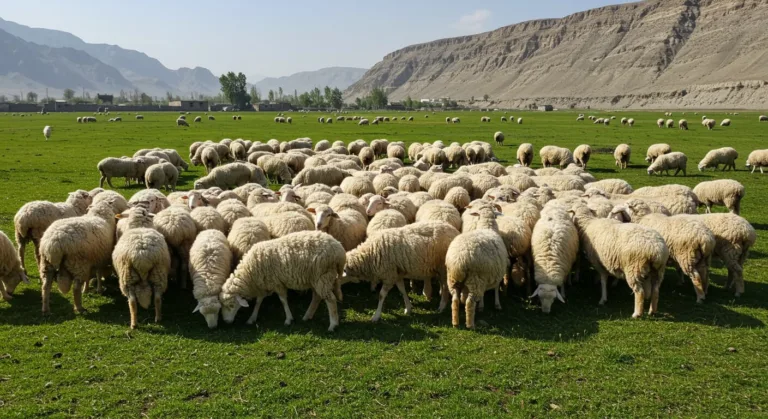
Picture a sunny field in Multan, filled with sheep munching on grass, their woolly coats shining as they grow big and strong. At Multan Farms, farmers use smart tricks to raise healthy sheep that end up providing meat, wool, and even jobs for people. By the end, you’ll see why sheep farms are so cool and might want to learn more about these fluffy friends. Let’s jump into this woolly adventure!
What Is a Sheep Farm?
A sheep farm is a place where farmers raise sheep for their wool, which makes clothes, and mutton, the meat you eat in dishes like biryani. It’s like a big petting zoo, but instead of just visiting, farmers care for sheep to produce things we use every day. At Multan Farms, they set up pens and fields in Multan, Punjab, to keep sheep healthy and happy.
Sheep farms help provide food and materials without needing a lot of money to start, like a small business that grows big results. Did you know sheep farming in Pakistan supports millions of families, especially in rural areas?
When Is the Busy Season for Sheep Farms?
In Pakistan, sheep farms are active all year, but the busiest time is during the breeding season from August to October, when baby lambs are born, usually in winter. Farmers also focus on fattening sheep from spring to summer, preparing them for markets, especially around festivals like Eid.Multan’s mild climate makes it a great spot for raising sheep year-round.
Cool winters help sheep grow thick wool, like putting on a warm coat, while summers are perfect for grazing. Fun fact: Farmers often sell lambs after 120 days of fattening, when they’re about six to eight months old, ready for tasty dishes!
How Farmers Raise Sheep in Multan
Running a sheep farm is like taking care of a big team of fluffy pets. At Multan Farms, farmers start with young lambs, usually six to eight months old, and feed them green fodder and grass to help them grow strong, like giving them a healthy smoothie.They keep sheep in pens with good ventilation, like a cozy bedroom with open windows.
Farmers tag each sheep to track their weight and age, like giving them a name tag at school. They also shear wool once or twice a year and sell the sheep for meat after fattening, making sure every sheep is healthy and happy.
Cool Sheep Breeds in Pakistan
Sheep farms in Pakistan raise different breeds, like picking your favorite flavor of ice cream. Here are some popular ones you might find at Multan Farms:
- Balochi: Large with fat tails, great for meat, like a juicy burger.
- Harnai: Medium-sized with dense wool, perfect for sweaters, like a cozy blanket.
- Bibrik: Short-tailed and good for mutton, like a tasty kebab.
- Kajli: Known for glossy wool, ideal for fancy fabrics, like a shiny scarf.
These breeds, highlighted on Multanfarms.com, are chosen because they grow well in Pakistan’s climate. Did you know Harnai sheep can produce up to 2.6 kg of wool, enough for a whole sweater?
Challenges of Running Sheep Farms
Sheep farming can be tough, like playing a game with tricky levels. Diseases like foot rot can make sheep sick, so farmers vaccinate them and keep pens clean, like washing your hands to stay healthy.Parasites, tiny bugs like ticks, can bother sheep, but farmers use safe medicines, like putting on bug spray.
Hot summers or heavy rains can stress sheep, so farmers provide shade and good drainage, like giving them an umbrella. Multan Farms tackles these challenges to raise healthy, fluffy sheep for everyone.
Why Sheep Farms Are Good for You and the Planet
Sheep from farms provide protein-rich mutton, which keeps you strong, like fuel for your body, and wool for warm clothes, like a natural heater. They’re a healthy choice for meals, like choosing a hearty sandwich over chips. At Multan Farms, they raise sheep without harmful chemicals, keeping things natural and safe.
Sheep farms help the planet by grazing lightly, which keeps soil healthy, like recycling to care for the Earth. They also use less land than other farms, making them eco-friendly. Did you know sheep can graze on natural grass, saving farmers money on feed?
The Big Impact of Sheep Farms in Pakistan
Sheep farms in Pakistan create jobs for farmers, herders, and market sellers, especially in Multan, like a team working together to win a game. They produce tons of mutton and wool yearly, with livestock contributing 40% to agriculture in some areas like Balochistan.Farms like Multan Farms supply cities and even export products abroad.
They also share tips with other farmers, like a coach teaching a new play. Sheep are a big part of Pakistani culture, from mutton dishes to wool blankets. Did you know sheep farming helps rural families earn a living across Pakistan?
Why Sheep Farms Matter to You
So, why should you care about sheep farms? Every bite of mutton or cozy wool sweater connects you to farmers at places like Multan Farms, who raise healthy sheep that help communities and the planet. Their sustainable ways keep the Earth green, and sheep products make your life tastier and warmer. It’s like knowing the story behind your food and clothes makes them even better!
Next time you enjoy a mutton curry or wear a wool scarf, think about Multan’s fluffy fields. Want to learn more? Visit Multanfarms.com for cool facts and tips! What’s your favorite thing about sheep, and wouldn’t it be fun to visit a sheep farm and see those woolly buddies up close?