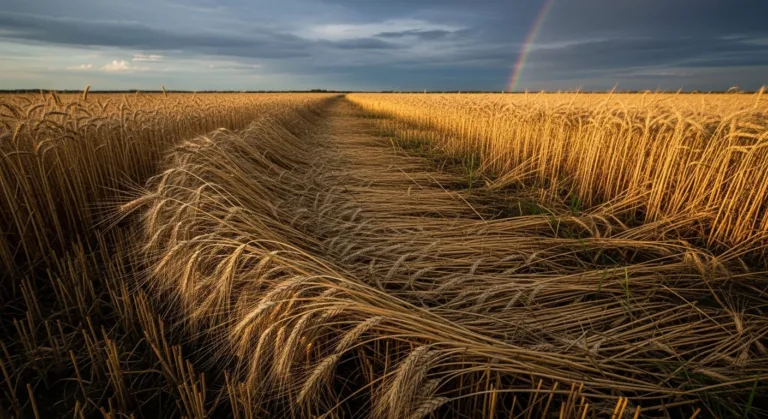
Picture this: a farmer walks through their wheat field one morning after a big storm, and instead of seeing tall, proud stalks standing straight, they find huge patches of crops lying flat on the ground, all bent over like they just gave up. This isn’t some weird plant disease or a mysterious crop circle. It’s a real agricultural problem called lodging, and it causes farmers around the world to lose millions of dollars every year.
But what exactly is lodging, and why should you care about it? Well, if you’ve ever eaten bread, cereal, rice, or basically any grain product, you’ve benefited from farmers who work hard to prevent this problem. Understanding lodging helps us appreciate the challenges farmers face and the science behind growing the food we eat every day.
In this article, we’ll explore what lodging really means, why it happens, how it affects the crops we depend on, and what farmers are doing to fight back against this frustrating phenomenon. Trust me, it’s way more interesting than it sounds!
What Exactly Is Lodging?
Let’s start with the basics. Lodging is when crop plants, especially tall ones like wheat, rice, corn, or barley, permanently bend over or fall flat to the ground before they’re ready to be harvested. Imagine a field of grain as a crowd of people standing shoulder to shoulder at a concert. Now imagine if a bunch of them suddenly started falling over and couldn’t get back up. That’s lodging!
There are actually two main types of lodging, and they happen for different reasons. The first type is called stem lodging, which is when the plant’s stem itself bends or breaks, usually somewhere between the ground and the grain head. Think of it like a straw that gets bent in the middle, it just can’t stand up straight anymore. The second type is root lodging, where the roots lose their grip in the soil and the whole plant tips over from the base. This is similar to when a tent stake pulls out of the ground during a windstorm, the whole structure comes down.
Both types are bad news for farmers, but they require different solutions. The key thing to remember is that once lodging happens, it’s usually permanent. Unlike a plant that temporarily wilts from lack of water and perks back up after rain, a lodged crop stays down.
Why Does Lodging Happen in the First Place?
So what causes this crop catastrophe? Well, it’s usually a combination of factors working together, kind of like how you might catch a cold when you’re tired, stressed, and around sick people all at once. Let me break down the main culprits.
Weather is Enemy Number One. Heavy rain, strong winds, and hail are the most common triggers for lodging. When a rainstorm dumps water on a field, the soil becomes soft and muddy, making it harder for roots to hold tight. At the same time, the plants themselves get heavier because water collects on their leaves and stems. Now add strong winds into the mix, and you’ve got the perfect recipe for disaster. It’s like trying to keep a wet, heavy blanket standing upright in a hurricane, not gonna happen!
Too Much Fertilizer Can Backfire. This might surprise you, but using too much nitrogen fertilizer can actually make lodging worse. Nitrogen helps plants grow tall and produce lots of leafy growth, which sounds great, right? The problem is, when plants grow too fast and too tall, their stems might not develop enough strength to support all that extra height and weight. It’s similar to a teenager having a growth spurt so fast that they become clumsy because their muscles haven’t caught up with their bones yet.
Overcrowding Creates Weak Plants. When farmers plant seeds too close together, the plants compete for sunlight, nutrients, and space. This competition can lead to weak, spindly stems that are more likely to lodge. Imagine trying to do exercises in a room so crowded you can barely move, you’re not going to build much strength! Plants need adequate spacing to develop strong, sturdy stems.
Timing and Plant Development Matter. Lodging is most likely to happen during certain growth stages, especially when the grain heads are developing and getting heavy. At places like Multanfarms.com, farmers pay close attention to weather forecasts during these critical periods because that’s when their crops are most vulnerable.
How Does Lodging Hurt Farmers and Food Production?
You might be thinking, “Okay, so the plants fall over. Can’t farmers just pick them up and harvest them anyway?” Unfortunately, it’s not that simple, and the damage goes way beyond just cosmetic problems.
First off, harvesting becomes a nightmare. Modern combine harvesters are designed to work with crops standing upright. When plants are lying flat on the ground, the machinery can’t grab them properly. The harvester might miss a lot of the grain, or it might pick up dirt, stones, and other junk along with the crop. This means farmers lose yield (the amount of crop they can collect) and the quality of what they do collect goes down. Some farmers report losing 20-50% of their potential harvest because of severe lodging!
The grain quality suffers too. When crops lodge early in the season and lie on wet ground for weeks, several bad things happen. The grain can start sprouting right there on the plant before harvest, which ruins it for most uses. Moisture promotes fungal growth and disease, which can make the grain unsafe or unmarketable. Think about what happens when you leave bread in a damp place, it gets moldy pretty quickly. The same principle applies to grain lying on wet soil.
There’s also an economic hit that affects everyone. When lodging reduces the harvest, there’s less grain available in the market, which can drive up prices. This means your morning cereal or the bread for your sandwich might cost more. For farmers, lodging represents lost income that can threaten their livelihood, especially if it happens year after year.
The Science of Standing Strong: Plant Anatomy
To really understand lodging, we need to talk about what makes a plant strong in the first place. Plants have some pretty cool structural features that help them stand upright, and understanding these helps explain why some plants lodge while others don’t.
The stem is basically the plant’s backbone. It’s made up of different tissues, including tough, woody material called lignin that provides strength and rigidity. Strong stems have thick cell walls and a solid structure that can support the weight of leaves and grain heads. Some crop varieties naturally produce stronger stems than others, kind of like how some people are naturally more muscular even without working out.
The root system acts like an anchor. Deep, well-developed roots spread out underground and grip the soil firmly. Plants with shallow or poorly developed root systems are much more prone to root lodging because they don’t have a strong foundation. It’s exactly like the difference between a tree with deep roots (that can withstand storms) and a potted plant (that tips over easily).
There’s also something called the stem base, which is the thick area right where the stem meets the ground. This section is super important because it bears a lot of mechanical stress. If this area is weak or damaged, the whole plant is in trouble.
How Farmers Fight Back Against Lodging
Good news! Farmers aren’t helpless against lodging. They’ve developed lots of strategies to reduce the risk, and modern agricultural science keeps giving them new tools to work with.
Choosing the Right Varieties is step one. Plant breeders have developed crop varieties specifically bred for lodging resistance. These plants might have shorter, sturdier stems, stronger root systems, or thicker stem bases. It’s like how dog breeders develop different breeds for different purposes, some crops are bred specifically to stand strong against wind and rain. Farmers, including those at operations like Multanfarms.com, carefully select varieties that match their local conditions and risks.
Smart Fertilizer Management makes a huge difference. Instead of dumping lots of nitrogen all at once, farmers use careful, measured applications. They might split the fertilizer into several smaller doses throughout the growing season, which promotes steady, balanced growth instead of rapid, weak growth. They also pay attention to other nutrients like potassium and silica, which strengthen plant tissues.
Plant Population Matters. By adjusting how densely they plant seeds, farmers can ensure each plant has enough space to develop properly. This might mean planting fewer seeds per acre, but the plants that do grow will be stronger and less likely to lodge. Quality over quantity!
Growth Regulators are another tool in the toolbox. These are chemical treatments that can be sprayed on crops to slightly reduce stem height and increase stem strength without harming the plant’s ability to produce grain. Think of them as strength training for plants! They work by tweaking the plant’s natural growth hormones.
Timing Is Everything. Experienced farmers time their planting so that the most vulnerable growth stages don’t coincide with the worst weather. If they know that June typically brings heavy storms in their region, they might plant earlier or later to avoid having grain-heavy plants standing in the field during storm season.
Real-World Examples and Success Stories
Let’s look at some concrete examples of how lodging plays out in real farming situations and how people deal with it.
In rice-growing regions of Asia, lodging is a massive challenge because rice fields are intentionally flooded with water, making the soil super soft. Scientists have developed semi-dwarf rice varieties that stand only about knee-high instead of waist-high, making them much less likely to fall over. These varieties revolutionized rice farming and helped feed billions of people. It’s one of the great success stories of agricultural science!
In the wheat-growing plains of North America, farmers deal with lodging by using a combination approach. They plant lodging-resistant wheat varieties, carefully manage their fertilizer applications, and use weather monitoring systems to track approaching storms. When severe weather is predicted, there’s not much they can do except hope their preparation pays off, but that preparation makes all the difference.
In Pakistan, at farms that grow crops like wheat and rice, lodging is a real concern, especially during monsoon season. Modern farming operations use soil testing to understand their fields better, which helps them make smarter decisions about fertilizer and planting density. They’re also increasingly using weather apps and agricultural technology to stay ahead of potential problems.
The Future of Lodging Prevention
So what does the future hold? Agricultural researchers are working on some pretty exciting stuff that could make lodging less of a problem down the road.
Genetic engineering and advanced breeding techniques are creating crop varieties with even better lodging resistance. Scientists can now identify the specific genes that contribute to stem strength and root development, then breed plants that have the best versions of these genes. It’s like creating a super-athlete plant!
Precision agriculture uses technology like drones, sensors, and computer analysis to monitor crop health in real-time. Farmers can spot areas of their field that are at higher risk for lodging and treat those areas differently. Instead of treating a whole 100-acre field the same way, they can customize their approach to each section.
Climate-smart farming practices are being developed to help crops handle increasingly unpredictable weather patterns. As climate change brings more extreme weather events, lodging might become more common, so researchers are working hard to stay ahead of the problem.
Wrapping It All Up
Lodging might seem like just another farming headache, but it’s actually a fascinating problem that sits at the intersection of plant biology, weather science, and agricultural technology. Understanding what makes crops fall over helps us appreciate the complexity of growing the food we eat every day.
From the plant’s stem strength to the farmer’s management decisions, everything works together to determine whether crops stand tall or fall flat. The farmers who successfully prevent lodging are using a combination of traditional knowledge, modern science, and careful observation to protect their harvests.
Next time you eat a bowl of cereal or bite into a sandwich, take a second to think about all the things that had to go right for that grain to make it from the field to your plate. Those wheat or rice plants had to stand strong against wind, rain, and their own weight until harvest time, and farmers had to make dozens of smart decisions to help them do it.
So here’s something to think about: as our climate becomes more unpredictable and we need to feed more people with less land, how important will it be to develop crops that can stand strong no matter what nature throws at them?