Introduction
Have you ever noticed at the market that some eggs are labeled as “desi” or “desi murgi ka anda,” and they’re priced differently from regular eggs? You’re not imagining it, they really are more expensive. But here’s the thing that might surprise you, most people don’t actually know why there’s such a big difference in price, or what makes these eggs so special in the first place. Desi eggs are the golden eggs from free-range chickens that roam around farms eating natural food, while regular eggs come from chickens kept in cages eating standard feed. The difference might seem small, but it actually affects everything from the price to the nutritional value to the taste of what ends up on your breakfast plate.
In this article, we’re going to explore the world of desi egg prices in Pakistan and figure out why they cost what they do. We’ll learn about what makes desi eggs different, what factors affect their prices, and how to find the best deals without compromising on quality. By the end, you’ll understand way more about the eggs you eat and the farmers who work hard to produce them.
What Are Desi Eggs, and How Are They Different?
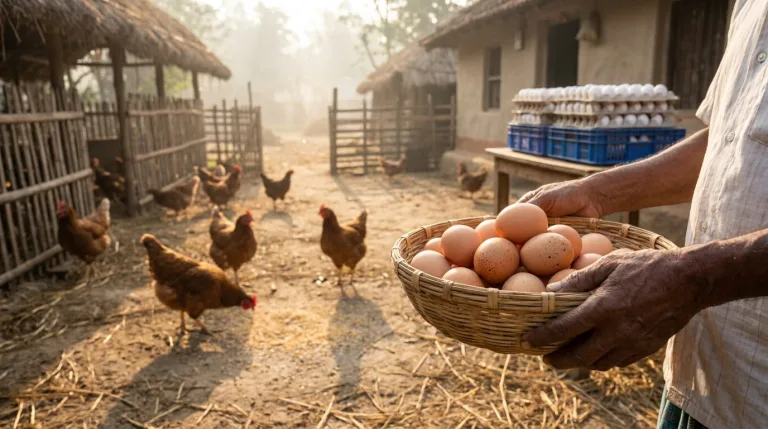
Let’s start with the basics. Desi eggs come from traditional village chickens that are allowed to roam free on farms instead of being kept in small cages. These chickens get to walk around, scratch in the dirt, and eat insects, grass, seeds, and natural food from the ground. Compare this to commercial chickens that live in confined spaces and eat only prepared feed, and you can see why the eggs are so different. It’s kind of like the difference between a kid who plays outside all day versus someone who stays indoors, both grow up, but their experiences shape them differently.
The main differences you’ll notice in desi eggs are pretty cool. First, the yolk is often a deeper golden or orange color because the chickens eat more natural foods rich in nutrients. Second, the shell is usually thicker and stronger. Third, many people say desi eggs taste richer and more flavorful, almost like the chicken’s natural diet has given the egg more personality. These eggs are also often smaller than factory-farmed eggs, but they pack way more nutrition into that smaller package. It’s quality over quantity, which is why the price reflects the effort and care that goes into raising these special chickens.
Why Do Prices Vary So Much?
Now let’s talk about why you might see desi eggs priced differently at different places. The price of desi eggs in Pakistan depends on several factors, and understanding them helps you become a smarter shopper. One major factor is seasonal availability. When chickens are molting, falling sick, or when the weather changes dramatically, they produce fewer eggs, so prices go up. It’s simple supply and demand, just like how mango prices skyrocket during mango season and drop afterward.
Another huge factor is feed costs. Since desi chickens eat natural food like grains, vegetables, and insects, if the price of these feeds increases, the farmer has to charge more for the eggs to keep the business running. Think of it like your mom’s cooking budget, when ingredient prices go up, she might have to adjust how much she spends on meals. The location of the farm also matters, because farms closer to cities might have easier access to markets and lower transportation costs compared to remote villages, which can affect pricing. Quality and freshness also play a role, fresh eggs straight from the farm cost more than eggs that have been sitting in storage for days. Some farms also invest in better conditions for their chickens, like larger spaces or special supplements, and these premium practices get reflected in the price.
Understanding Current Prices in Pakistan
So what’s the actual price of desi eggs in Pakistan right now? Prices vary depending on where you live, the season, and the quality of the eggs, but generally, desi eggs cost significantly more than regular commercial eggs. In many parts of Pakistan, a dozen desi eggs might cost around 300 to 500 Pakistani rupees, while commercial eggs might be 150 to 250 rupees. That’s almost double the price, which might seem like a lot until you realize what you’re actually getting for that extra money.
The price difference makes sense when you think about it. Desi egg producers spend more time, money, and effort on raising their chickens properly. The chickens have better living conditions, eat better food, and produce healthier eggs. It’s not just a marketing trick, there’s real value behind that higher price tag. In cities like Karachi, Lahore, and Islamabad, prices might be slightly higher than in smaller towns because urban markets demand premium products. Rural areas closer to farms might have slightly better prices because there’s no middleman taking a cut between the farmer and you.
Factors That Affect Desi Egg Prices Throughout the Year
Understanding how prices change with the seasons helps you buy smart. Summer prices tend to be higher because extreme heat stresses the chickens, making them produce fewer eggs. Chickens also eat more during hot weather, which increases the farmer’s costs. Winter prices are usually lower because cooler weather is actually comfortable for chickens, they’re less stressed, and they produce more eggs. Spring and autumn are usually in the middle, with moderate prices.
Feed availability also creates price swings. When grains are harvested and prices are lower, farmers might charge less for eggs. When grains become scarce months later, prices creep back up. Disease outbreaks among poultry also cause sudden price spikes, because farmers lose more chickens and have fewer eggs to sell. These are all real-world factors that affect your family’s grocery budget, so it’s actually pretty useful to understand how they work.
How to Find Quality Desi Eggs at Fair Prices
Want to buy desi eggs without spending too much? Here are some practical tips. First, buy directly from local farms if you can. Farmers’ markets and direct farm purchases cut out the middleman, so you pay less and get fresher eggs. Second, build relationships with trusted sellers so they’ll give you better prices for being a regular customer. Third, buy in bulk when prices are lower, during seasons when chickens are producing lots of eggs. Fourth, look for reliable sources like Multanfarms.com that source quality desi eggs directly from trusted farms and offer them at fair prices.
Also, don’t just focus on price, focus on quality. Fresh desi eggs from a trustworthy source are worth every rupee. You can tell quality by looking at the shell, checking for cracks, and noticing how thick the shell feels. The yolk should be a deep golden color, not pale yellow. If you’re buying online from places like Multanfarms.com, they’ve already done the quality checking for you, which means you’re getting consistent, premium desi eggs delivered right to your door.
Why Desi Eggs Are Worth the Extra Cost
You might be wondering, is it really worth paying double for desi eggs? The answer is yes, for several reasons. First, desi eggs have more nutrients, including more vitamins, minerals, and healthy fats compared to commercial eggs. Second, they taste noticeably better, with a richer flavor that makes your breakfast actually enjoyable. Third, by buying desi eggs, you’re supporting local farmers who use traditional, sustainable farming methods instead of industrial factory farms that use harmful practices.
Fourth, desi eggs are better for your body because the chickens that lay them aren’t pumped with antibiotics and chemicals. When you eat cleaner food, your body actually feels and performs better. It’s an investment in your health, and when you think about it that way, the extra money makes sense. Many families find that they need fewer desi eggs to feel full compared to commercial eggs, so the cost might balance out in the end.
Conclusion
So, are desi eggs expensive? Yes, they cost more than regular eggs, but now you understand why. The price reflects the care, effort, and superior quality that goes into producing them. Desi eggs come from chickens that get to live natural lives, eat natural food, and produce eggs that are nutritionally superior and tastier than commercial alternatives. Understanding the factors that affect desi egg prices, like seasons, feed costs, and farm location, helps you make smarter shopping decisions and find the best deals without sacrificing quality.
The next time you’re at the market and see those golden desi eggs at a higher price, remember that you’re not just buying eggs, you’re investing in your health, supporting local farmers, and choosing sustainability over industrial agriculture. Whether you buy from local farms, farmers’ markets, or trusted online sources like Multanfarms.com, choosing desi eggs is choosing quality every single time. So here’s my question for you, have you tried desi eggs before, and if so, did you notice a difference compared to regular eggs?