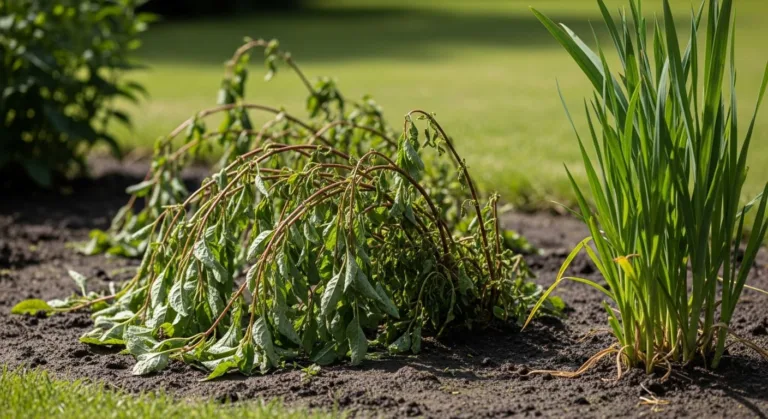
Have you ever walked past a wheat field after a heavy rainstorm and noticed that some of the plants were lying flat on the ground, like they’d given up trying to stand? Or maybe you’ve seen corn stalks leaning over so much they looked like they were bowing to the ground? This frustrating problem is called lodging, and it’s one of the biggest headaches farmers face. But what exactly causes plants to fall over, and why should you care about it? Well, if you’ve ever eaten bread, cereal, or popcorn, then lodging affects you more than you might think!
When plants lodge, or fall over, it creates serious problems for farmers trying to grow our food. Imagine trying to harvest a field where half the plants are lying down in different directions. It’s like trying to vacuum a room where someone dumped a box of spaghetti all over the floor. Not only does it make harvesting difficult, but lodged plants also produce less food because they can’t get the sunlight they need. Let’s dive into this fascinating agricultural challenge and discover what makes plants topple over and what farmers can do about it.
What Exactly Is Plant Lodging?
Think of lodging like this: imagine you’re standing up straight, holding a heavy backpack. Now picture someone pushing you from the side while the ground under your feet turns to mud. You’d probably lose your balance and fall, right? That’s basically what happens to plants when they lodge.
Lodging is when crop plants, especially cereals like wheat, rice, barley, and corn, bend over or completely fall to the ground before harvest time. It can happen in two main ways. The first is called stem lodging, where the plant’s stem (the main trunk) breaks or bends near the ground because it’s too weak to support itself. The second type is root lodging, where the whole plant tips over because its roots can’t hold it firmly in the soil anymore. Both types spell trouble for farmers and can seriously reduce the amount of food a field produces.
The Perfect Storm: What Makes Plants Fall Over?
Several factors work together to cause lodging, kind of like how multiple ingredients are needed to bake a cake. Let’s break down the main culprits.
Too Much of a Good Thing
When farmers use lots of nitrogen fertilizer to help their crops grow big and strong, it can actually backfire. The nitrogen makes plants grow tall with thick, heavy tops, but it doesn’t always strengthen the stems enough to support all that weight. It’s like building a really tall LEGO tower without making the bottom part sturdy enough. Eventually, physics wins, and the whole thing comes tumbling down.
Weather Woes
Strong winds are public enemy number one when it comes to lodging. When wind pushes against a plant’s leaves and grain head, it creates force that the stem has to resist. Add heavy rain to the mix, and you’ve got a recipe for disaster. The rain makes plants heavier (just like your clothes get heavier when they’re wet), and it softens the soil around the roots. Suddenly, plants that were standing fine yesterday are lying flat today.
Crowded Conditions
When plants are packed too closely together in a field, they compete for sunlight by growing taller and thinner, like kids stretching to see over each other’s heads at a concert. These tall, skinny plants are much more likely to lodge because they don’t have thick, sturdy stems. Plus, when plants are crowded, air can’t circulate well between them, which keeps the soil wetter and makes root lodging more likely.
Why Farmers Lose Sleep Over Lodging
You might be wondering, “So what if plants fall over? Can’t farmers just pick them up anyway?” Unfortunately, it’s not that simple, and here’s why it matters so much.
Harvest Headaches
When crops are standing upright, combine harvesters can easily cut them and gather the grain. But when plants are lodged, the harvesting equipment can’t pick them up properly. Grain heads end up touching the dirt, and much of the crop gets left behind in the field. It’s like trying to eat soup with a fork, it just doesn’t work well. Farmers can lose 20% to 80% of their crop, depending on how badly the plants have lodged.
Quality Takes a Hit
Lodged plants don’t just produce less grain, they produce lower-quality grain too. When plants are lying on wet soil, the grain can start to sprout or develop mold and disease. The grain might also be stained or damaged. Think about leaving a slice of bread on a damp counter for a few days, it’s not going to be fresh and tasty anymore, right? The same idea applies here.
Money Down the Drain
All the money farmers spent on seeds, fertilizer, water, and equipment gets wasted when lodging destroys their crops. For a farmer trying to make a living, this can be devastating. On websites like Multanfarms.com, you’ll find that farmers are constantly looking for solutions to prevent lodging and protect their investment.
Fighting Back: How Farmers Prevent Lodging
The good news is that farmers aren’t helpless against lodging. They’ve developed several strategies to keep their crops standing tall.
Choosing the Right Seeds
Scientists have bred crop varieties with shorter, sturdier stems that are naturally resistant to lodging. These plants are like gymnasts, short and strong, built to stay balanced even when conditions get tough. Modern wheat varieties, for example, have much stronger stems than the varieties farmers grew 50 years ago. Farmers visiting resources like Multanfarms.com can learn about which varieties work best in their specific conditions.
Smart Fertilizer Use
Instead of dumping lots of nitrogen fertilizer all at once, smart farmers apply it at the right times and in the right amounts. They might use less nitrogen or add other nutrients like potassium and silicon that help strengthen plant stems and roots. It’s like making sure you eat a balanced diet instead of just eating candy, you need all the different nutrients to stay healthy and strong.
Plant Growth Regulators
Some farmers use special chemicals called plant growth regulators that work like a “stay short” signal for plants. These chemicals don’t harm the plant, they just tell it to put more energy into making thick, strong stems instead of growing super tall. The result is a stockier plant that’s much harder to knock over.
Planting Strategies
By adjusting how densely they plant their crops and when they plant them, farmers can reduce lodging risk. Giving plants more space means they don’t have to compete as much and can develop stronger root systems. It’s like how you’d have better balance standing on a solid floor with your feet shoulder-width apart versus standing on one foot on a wobbly board.
The Science Behind Standing Strong
Understanding why some plants resist lodging better than others comes down to physics and biology working together. A plant’s ability to stay upright depends on something called “stem strength” and “root anchorage.”
Stem strength is all about the plant’s internal structure. Strong stems have more of a material called lignin, which is like the steel reinforcement bars in concrete, it provides structural support. They also have thicker cell walls and a better arrangement of the tubes that transport water and nutrients up and down the plant.
Root anchorage is about how well the root system grabs onto the soil. Plants with deeper roots and more root branches spread out through the soil like anchors on a ship. When wind pushes the plant, these roots act like guy-wires on a tent, keeping everything in place.
Looking Toward the Future
As climate change brings more unpredictable weather patterns with stronger storms and heavier rainfall, lodging is becoming an even bigger concern. Scientists are working hard to develop even better crop varieties that can withstand these challenges. They’re using advanced breeding techniques and even genetic engineering to create super-strong plants.
Some researchers are also exploring completely new approaches, like growing crops in different patterns or using support systems similar to how grape vines are supported on trellises. While these ideas might sound unusual now, they could become common practice in the future.
Wrapping It All Up
Lodging might seem like a simple problem (plants falling over), but it’s actually a complex challenge that affects food production around the world. From the biology of plant stems to the chemistry of soil, from weather patterns to farming techniques, lodging brings together many different areas of science. For farmers working to feed the world, preventing lodging is crucial for protecting their crops and ensuring we all have enough food to eat.
Next time you see a field of wheat or corn standing tall and golden in the sunshine, take a moment to appreciate the work that went into keeping those plants upright. And if you do see a lodged field, you’ll now understand the frustration the farmer must feel and the challenges they face to bring that crop home.
So here’s something to think about: What other everyday problems in farming might seem simple on the surface but are actually really complicated when you dig deeper? The world of agriculture is full of fascinating challenges just waiting to be explored!