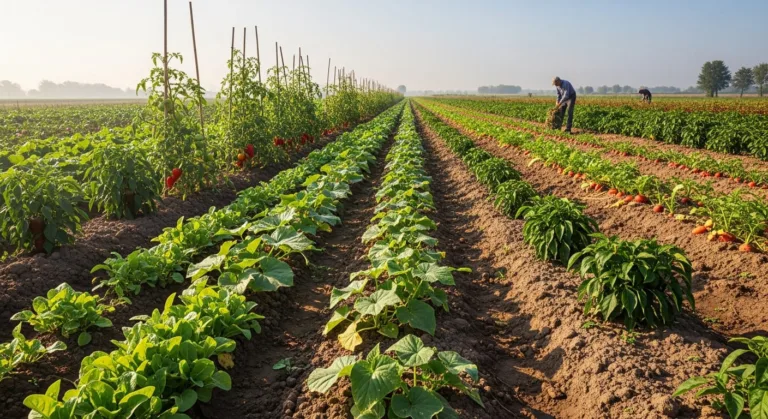
Have you ever noticed that strawberries taste amazing in spring but are hard to find in winter? Or that your mom buys more pumpkins in fall than any other time of year? That’s not a coincidence! Vegetables and fruits follow nature’s calendar, and each one has its own special time to shine. Understanding vegetable seasons is like having a secret code to the freshest, tastiest food at the grocery store or farmer’s market.
Think about it this way: you wouldn’t wear a heavy winter coat in July, right? Well, vegetables are the same. They have their favorite weather conditions, and they grow best when the temperature, sunlight, and soil conditions are just right for them. Some veggies love the cool spring breeze, others thrive in scorching summer heat, and some actually prefer the chilly days of fall and winter.
At Multanfarms.com, we grow vegetables according to their natural seasons, which means we’re working with nature instead of against it. So let’s explore why vegetables have seasons, what grows when, and how knowing this can make you a smarter eater and maybe even a better gardener!
What Exactly Is a Vegetable Season?
A vegetable season is the specific time of year when a particular vegetable grows best and tastes the most delicious. It’s the plant’s favorite time to be alive! During its season, a vegetable gets exactly what it needs: the right amount of sunlight, the perfect temperature range, and the ideal soil conditions.
Here’s a cool way to think about it: imagine you’re trying to study. You probably focus better when you’re comfortable, right? Maybe you need a quiet room, good lighting, and a comfortable chair. Vegetables are similar. Tomatoes need warm, sunny days to produce juicy red fruits. Carrots prefer cooler weather so they can grow sweet and crunchy underground. When vegetables grow in their proper season, they’re “comfortable,” and that means they taste better, have more nutrients, and are easier to grow.
When farmers and gardeners pay attention to vegetable seasons, they’re basically reading nature’s instruction manual. It’s like knowing when to plant, water, and harvest based on what each vegetable actually wants, not just what we want from it.
The Four Seasons of Vegetables
Spring: The Fresh Start
Spring is like nature’s wake-up call after a long winter nap. The weather warms up, days get longer, and plants start growing like crazy. This is the perfect time for cool-season vegetables that love mild temperatures.
In spring, you’ll find leafy greens like lettuce, spinach, and arugula thriving. These plants actually prefer cooler weather because intense heat makes them taste bitter or causes them to bolt (that means they rush to make seeds instead of tasty leaves). Peas are another spring superstar because they climb up happily in cool weather and give you sweet, crunchy pods.
Here’s a fun fact: radishes are one of the fastest-growing spring vegetables. You can plant radish seeds and harvest them in just about 3-4 weeks! It’s almost instant gratification in the gardening world. At Multanfarms.com, we love spring because it kicks off the growing season with so many fresh, crisp vegetables that taste like sunshine after months of winter.
Summer: The Heat Champions
When summer arrives and temperatures soar, it’s time for the heat-loving vegetables to take center stage. These are the plants that thrive when it feels like you’re standing inside an oven!
Tomatoes are probably the most famous summer vegetable. They need lots of warmth and sunshine to turn from green to bright red, juicy perfection. Cucumbers, peppers, eggplants, and zucchini are all summer favorites too. These vegetables actually struggle in cool weather, their growth slows down, and they produce fewer vegetables. But when summer heat hits? They explode with growth!
Think of summer vegetables like beach lovers. They want to soak up the sun, they don’t mind the heat, and they produce their best results when it’s hot outside. Okra, for example, absolutely loves scorching temperatures. The hotter it gets, the faster okra grows. That’s why it’s such a popular summer vegetable in warm climates.
Fall: The Cool-Down Crew
As summer fades and temperatures drop, a whole new group of vegetables comes into play. Fall is perfect for vegetables that need cooler weather but still want some warmth left in the soil.
Root vegetables like carrots, beets, and turnips love fall because cooler temperatures actually make them sweeter! Here’s why: when it gets chilly, these plants convert starches into sugars as a kind of antifreeze. That’s why a carrot harvested in fall tastes sweeter than one picked in summer. Nature is pretty clever, isn’t it?
Broccoli, cauliflower, and cabbage also prefer fall weather. These vegetables belong to the same plant family (they’re cousins, basically), and they all develop better flavor and texture when grown in cooler temperatures. Plus, fall vegetables are often more forgiving if you’re a beginner gardener because pests are less active in cooler weather.
Winter: The Hardy Survivors
You might think nothing grows in winter, but you’d be surprised! Some vegetables are tough enough to handle cold weather, frost, and short daylight hours. These are the true survivors of the vegetable world.
Kale is probably the most famous winter vegetable. It can handle freezing temperatures and actually tastes better after a frost! The cold makes kale leaves sweeter and less bitter. Other winter champions include Brussels sprouts, leeks, and certain types of lettuce and spinach that are bred to tolerate cold.
In warmer climates, winter is actually perfect for growing many vegetables that would struggle in summer heat. That’s why timing matters so much, it depends on where you live! At Multanfarms.com, we understand that winter growing opportunities vary based on your location’s climate.
Why Growing Vegetables in Season Matters
Now you might be thinking, “Why does this matter? I can buy tomatoes at the store year-round!” That’s true, but here’s the thing: out-of-season vegetables usually come from far away, grown in greenhouses or shipped from other countries. They’re picked before they’re fully ripe so they survive the long journey, which means they don’t taste as good.
Seasonal vegetables taste better because they’re picked at peak ripeness. A tomato that ripens on the vine in summer sunshine tastes completely different from one picked green and ripened artificially. It’s like comparing a homemade cookie fresh from the oven to one that’s been sitting in a package for weeks!
Seasonal vegetables are more nutritious too. When plants grow in their ideal conditions, they produce more vitamins, minerals, and beneficial compounds. Plus, seasonal vegetables are usually fresher because they don’t travel as far, which means less time between harvest and your plate.
There’s also the environmental benefit. Growing vegetables in season requires less artificial heating, lighting, and transportation. It’s nature’s way of being efficient, like riding a bike downhill instead of pedaling uphill!
How to Eat with the Seasons
Learning to eat seasonally is actually pretty fun once you get the hang of it. Here are some simple ways to start:
Visit local farmers’ markets: Whatever’s abundant and cheap at the market is probably in season. If strawberries are everywhere in May, that’s your clue!
Notice what’s on sale: Grocery stores often discount seasonal produce because there’s so much of it available. Out-of-season vegetables are usually expensive.
Try seasonal recipes: Make salads in spring and summer, hearty soups with root vegetables in fall and winter. Your body naturally craves different foods in different seasons anyway.
Start a small garden: Even growing herbs in pots on a windowsill teaches you about seasons. You’ll quickly learn what grows when!
Bringing It All Together
Understanding vegetable seasons connects you to nature’s rhythm and helps you make smarter food choices. When you eat seasonally, you’re getting the freshest, tastiest vegetables while supporting local farmers and protecting the environment. It’s a win-win-win situation!
At Multanfarms.com, we believe that knowing when vegetables are in season helps everyone, from home cooks to young gardeners just starting out. Nature has already figured out the perfect time for each vegetable to grow, so why not follow along?
Next time you’re at the store or planning a garden, ask yourself: what’s in season right now? You might be surprised at how this simple question transforms the way you think about food. What seasonal vegetable will you try this week?