Imagine you’re building a super tall tower out of Jenga blocks during a windy game night. Everything’s going great until whoosh, a gust knocks the whole thing sideways, and half your blocks crash to the floor. Bummer, right? That’s kind of what happens to farmers when their crops get hit by crop lodging , a sneaky problem that turns strong green fields into a messy pile-up right before harvest time. In places like Pakistan, where wheat and rice feed millions of families, lodging can wipe out tons of food and money.
But don’t worry, it’s not all bad news. Lodging happens for reasons we can figure out, and smart farmers have tricks to stop it. Today, you’ll learn what causes this crop chaos, how it sneaks up on fields, and cool ways to keep plants standing tall like superheroes. By the end, you’ll see why even a kid like you could help solve it in your own backyard garden!
What Exactly Is Crop Lodging? (And Why Should You Care?)
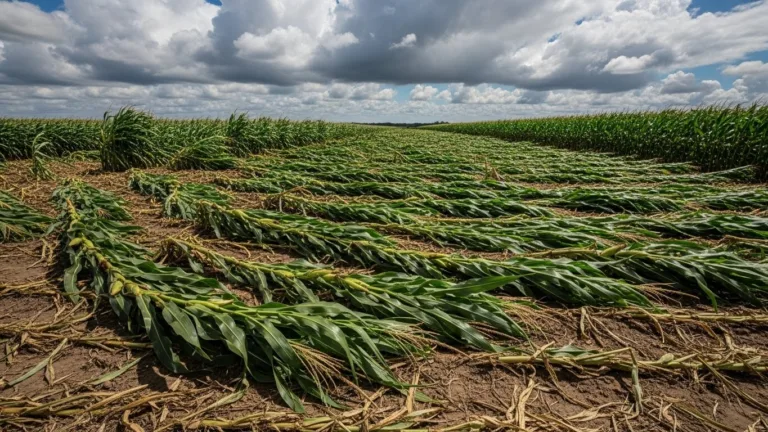
Crop lodging is when plants in a field bend or break over and flop to the ground instead of standing straight up. It usually hits tall crops like wheat, rice, corn, or barley, especially when they’re loaded with heavy grains at the top. Think of it like a bunch of pencils with erasers on one end, if you push too hard on the eraser side, the whole pencil tips over.
In Pakistan, where farms grow about 25 million tons of wheat and 8 million tons of rice every year, lodging is a big headache. It can cut yields by up to 30% or more, meaning less bread, biryani, or roti for everyone. Did you know? One bad lodging storm can turn a golden field into a tangled mess that’s super hard to harvest, like trying to pick up a pile of spilled spaghetti with chopsticks.
The Sneaky Villains Behind Crop Flops
Lodging doesn’t just happen out of nowhere, it’s like a team-up of bad guys working together. The main culprits? Weather and too much love from farmers. Strong winds or heavy rain act like the bully pushing your Jenga tower, while the plants themselves might be too weak to fight back.
Here’s a quick list of the top troublemakers:
- Windy blasts and pounding rain: In Punjab’s monsoon season, gusts over 50 km/h can snap stems like twigs.
- Too much nitrogen fertilizer: Farmers add this to make plants grow big and leafy, but it makes stems skinny and floppy, like feeding a kid too many sugary cereals before a race, they get hyper but tire out fast.
- Crowded planting: If seeds are sown too close, plants fight for space and light, growing tall and lanky instead of short and sturdy.
- Weak roots from bad soil: Shallow roots can’t hold on during storms, especially in sandy fields near Multan.
In Pakistan, rice fields often get extra wet from flooding irrigation, which softens the soil and makes roots slip like shoes on ice.
Real-Life Drama: When Lodging Hits Pakistani Fields
Picture this: It’s harvest time in Okara, a bustling farming spot in Punjab. Farmer Ahmed’s wheat field looks perfect, golden waves ready to turn into flour for naan. But overnight, a thunderstorm rolls in with winds howling like a pack of wild dogs. The next morning? Total disaster, stems everywhere, tangled like headphones in your backpack. Ahmed loses about 20% of his crop, enough to feed his family for months.
Or take rice in Sindh, where Basmati fields shine under the sun. Too much fertilizer makes the plants shoot up like rockets, but then a hailstorm hits, and poof, they’re down. Farmers there say lodging costs Pakistan billions of rupees yearly, turning dream harvests into cleanup nightmares. It’s like planning the ultimate Fortnite win, only to get knocked off the map by a surprise storm.
Did you know? In 2022 floods, lodging wrecked over 1 million hectares of crops in Pakistan, showing how climate change amps up the drama.
How Lodging Messes Up More Than Just the Harvest
When crops lodge, it’s not just an ugly sight, it hits hard in sneaky ways. First off, the plants can’t soak up sunlight anymore, so they stop making food and grains shrink like deflated balloons. Harvesting turns into a slog, machines get clogged, and workers waste days untangling the mess.
Quality drops too, grains get dirty from touching muddy soil, and some even sprout early, turning sweet wheat into sour mush. In rice, it blocks air flow, inviting mold and bugs to the party. One study in wheat fields showed lodged crops yield 7-35% less, depending on when it happens, worst right after flowers bloom.
It’s like if your soccer team scores big but then the goalposts fall over, nobody gets the win, and everyone goes home grumpy.
Superhero Strategies: Keeping Crops Upright and Awesome
Good news, farmers aren’t helpless! They fight back with smart moves that make plants tougher than a wrestler’s grip. The key? Build strong stems and roots from the start, like training for a big game instead of winging it.
Check out these top tips:
- Pick tough varieties: Breeders create short, stocky wheat like Pakistan’s ‘Inqlab 91’ or rice with thick stems that laugh at wind. These dwarfs stay under 100 cm tall, way less tippy than old giants.
- Balance your fertilizers: Use just enough nitrogen, mix in potassium for strong stems (it’s like adding protein shakes to your diet). In Multan farms, they test soil first to avoid overfeeding.
- Space them out: Plant seeds 20-25 cm apart so roots spread wide, like giving kids enough room on the playground to build solid forts.
- Smart sowing and watering: Sow early in October for wheat to build deep roots before winter. Use raised beds for rice, they drain better and firm up soil, cutting lodging by 50% in trials.
Plus, growth regulators like chemicals that shorten stems without stunting growth, sprayed like a magic potion mid-season.
Cool Science Tricks and Future Fixes
Scientists are like crop detectives, using genes to make plants lodging-proof. In rice, they’ve found genes that thicken culms (that’s the stem) and boost lignin, a woody stuff that makes stems rigid like bamboo. Wheat breeders in Pakistan cross tall old varieties with short new ones, creating hybrids that yield more without flopping.
One fun analogy: It’s like upgrading from a wobbly bike to one with thick tires and low handlebars, you zoom through storms without crashing. In labs, they even test stems with bending machines to score their strength, like a video game level-up system.
Did you know? Conservation farming, leaving old crop bits on the ground, builds better soil and cuts lodging by improving root grip, a win for Pakistan’s dry areas.
Wrapping It Up: Stand Tall, Crops!
So, there you have it, crop lodging is that frustrating flop when weather and weak spots team up to topple fields, but with the right seeds, spacing, and smarts, farmers keep their harvests standing strong. From Punjab’s wheat waves to Sindh’s rice paddies, beating lodging means more food on tables and smiles all around.
Next time you bite into fresh roti or steamy pulao, think about the heroes behind it, battling winds to bring you that yum. Why not try your hand at a mini wheat patch in a pot, space the seeds just right, and watch them defy your fan breeze? Could you invent the ultimate anti-lodging garden hack? Your turn to play farmer and save the day!