Have you ever wondered where the fish on your plate comes from? In Pakistan, many of those fish don’t come from rivers or the sea, but from special farms where people raise them like you might grow plants in a garden! Fish farming, also called aquaculture, is a growing industry in Pakistan, and places like Multan are helping make it happen. In this article, you’ll discover how fish farming works, why it’s so important, and how it’s changing lives in Pakistan. Get ready to dive into the world of underwater farms!
Fish farming is like having an underwater ranch, where farmers raise fish in ponds or tanks instead of catching them from the wild. It’s a cool way to make sure there’s enough fish for everyone to eat, and it’s helping Pakistan’s farmers and communities in big ways. From tasty tilapia to rainbow trout, let’s explore why fish farming is making waves across the country!
What Is Fish Farming, Anyway?
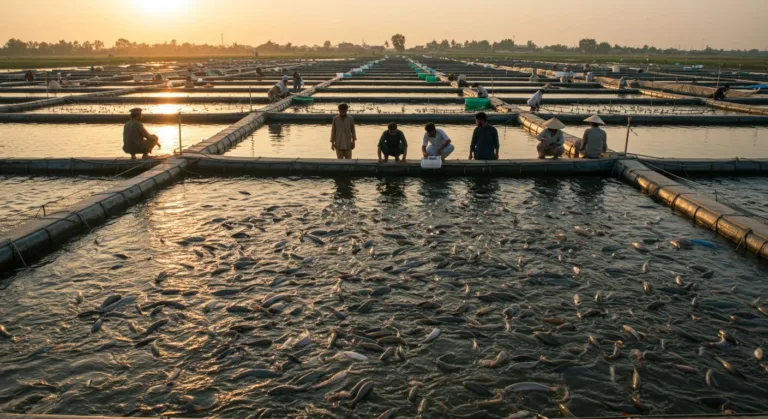
Imagine you have a pet goldfish in a tank, but instead of one fish, you have thousands in a giant pond! That’s what fish farming is all about, raising fish in controlled places like ponds, tanks, or even cages in rivers. In Pakistan, farmers use these setups to grow fish like carp, tilapia, and trout, which are super popular for meals. It’s like growing vegetables, but instead of carrots, you’re harvesting fish!
Fish farming is different from catching fish in the wild because it’s more reliable. Farmers can control the water, food, and environment to make sure the fish grow healthy and fast. It’s like giving your fish the perfect home to thrive in!
Why Is Pakistan Perfect for Fish Farming?
Pakistan is like a giant playground for fish farming because it has tons of water and the right kind of weather. Places like Multan, in the Punjab province, have rich soil and rivers that provide water for fish ponds. The warm climate is great for fish like tilapia and carp, while cooler northern areas like Swat are perfect for trout, which love cold water.
Think of Pakistan as a giant fish-friendly zone, with sunny days and plenty of water making it easy to grow fish. Farmers in Multan and other areas use this to their advantage, turning ponds into underwater food factories. It’s like nature and farmers teaming up to create something awesome!
The Stars of Pakistan’s Fish Farms
Not all fish are the same, and Pakistan’s fish farms grow some real superstars! In Multan and other parts of Punjab, farmers raise fish like rohu, catla, and mrigal, which are types of carp. These fish are like the rock stars of Pakistani meals because they’re tasty and grow fast. In warmer areas, tilapia is super popular because it’s easy to farm and loves Pakistan’s hot weather.
In cooler, mountainous areas like Khyber Pakhtunkhwa, farmers grow rainbow trout and brown trout, which need cold, clear water. It’s like each part of Pakistan has its own fish team, with different players suited to the local environment. No matter where you are, there’s a fish farm growing something delicious!
How Do Farmers Raise Fish?
Raising fish is like taking care of a big underwater family. Farmers start by building ponds or tanks, filling them with clean water from rivers or wells. They add baby fish, called fingerlings, and feed them special food to help them grow big and strong. It’s like giving your fish a healthy diet, just like you eat veggies to stay healthy.
Farmers also keep the water clean and check for diseases, kind of like how you clean your room to keep it nice. In places like Multan, they use the sunny weather to help fish grow fast, harvesting them when they’re ready to eat. It’s a lot of work, but it’s worth it when you see a pond full of happy, healthy fish!
Fish Farming Helps People and the Planet
Fish farming isn’t just about food, it’s about helping people too. In Pakistan, it creates jobs for farmers and workers, especially in places like Multan, where farming is a big part of life. It’s like opening a new store that gives people work and money to support their families. Plus, fish farming means less need to catch wild fish, which helps keep rivers and oceans healthy.
Fish are also super nutritious, packed with protein to help you grow strong. By farming fish, Pakistan can feed more people without relying on expensive imports. It’s like growing your own snacks instead of buying them from the store!
Challenges and Cool Solutions
Fish farming isn’t always easy. Sometimes, farmers face problems like high costs for fish food or keeping ponds full of water. In Multan, for example, running water pumps can be expensive, kind of like how your parents might worry about the electricity bill. But farmers are finding smart solutions, like using solar power to run pumps, which is like using the sun to charge your phone!
Another challenge is keeping fish healthy, since dirty water can make them sick. Farmers work with experts, like those at the Fisheries Development Board, to learn how to keep ponds clean and fish happy. It’s like going to the doctor to make sure you stay healthy!
Fun Facts About Fish Farming in Pakistan
Here are some awesome things you might not know about fish farming in Pakistan:
- It’s growing fast! Fish farming has grown a lot since the year 2000, producing over 100,000 tons of fish in just a few years.
- Fish are picky! Trout need super cold water, while tilapia love warm water, like choosing between a snowy day or a beach day.
- It’s a team effort! In Multan, farmers use ponds that cover thousands of acres, like giant swimming pools for fish.
- Fish help the economy! Fish farming creates jobs and brings money to communities, like selling your artwork to earn extra cash.
It’s like fish farming is a superhero for both people and the environment!
Why Should You Care About Fish Farming?
Fish farming in Pakistan, especially in places like Multan, is a big deal because it helps feed people, creates jobs, and protects wild fish. It’s like a win-win for everyone! By growing fish in ponds, farmers make sure there’s enough food for Pakistan’s growing population, and they do it in a way that’s good for the planet.
Next time you eat fish, think about the farmers who raised it in a pond, working hard to bring food to your table. Have you ever tried tilapia or carp? Maybe you’ll visit a fish farm one day or even start your own mini aquarium at home!