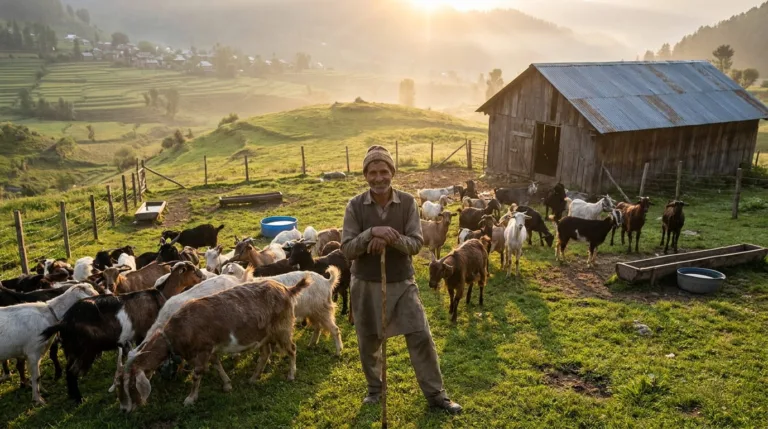
Did you know that goats were one of the very first animals humans ever domesticated? That’s right, about 10,000 years ago, someone looked at a wild goat and thought, “Hey, I bet we could be friends!” Fast forward to today, and there are over one billion goats worldwide, happily munching grass and providing milk, meat, and even fiber for clothing. But here’s what’s really cool: goat farming is making a huge comeback, especially in places like Multan, and it’s not just because goats are adorable (though they totally are).
Goat farming, also called caprine farming by fancy agricultural folks, is the practice of raising goats for various products like milk, meat, fiber, and even leather. Unlike cows that need huge pastures and tons of food, goats are like the smart, efficient cousins of the farm animal world. They can thrive in tough conditions, eat plants that other animals won’t touch, and they don’t need a massive barn or expensive equipment to get started.
In this article, we’re going to explore why goat farming is becoming super popular again, what makes these curious animals so special, and how someone could start their own goat farm. Whether you’re dreaming of becoming a farmer someday or you’re just curious about where your food comes from, get ready to discover why goats might just be the ultimate farm animal!
What Makes Goats Such Amazing Farm Animals?
Goats are basically the superheroes of the farm world, and here’s why. First off, they’re incredibly adaptable. While cows need lush green pastures and pigs need specific shelters, goats can survive in mountains, deserts, and everything in between. They’re like the all-terrain vehicles of livestock! This makes them perfect for regions with challenging climates or tough landscapes.
Here’s something that’ll blow your mind: goats are browsers, not grazers. What’s the difference? Well, cows and sheep are grazers, meaning they eat grass close to the ground. Goats, on the other hand, prefer to browse, which means they eat leaves, twigs, bushes, and even weeds that grow higher up. Imagine having an animal that clears your backyard of annoying weeds while also providing you with milk and meat. That’s a goat for you!
Another superpower goats have is their incredible digestive system. They’re ruminants, which means they have four stomach chambers that work together to break down tough plant material that would make other animals sick. It’s like having a built-in composting system! This efficient digestion means goats can convert low-quality vegetation into high-quality protein, making them super economical to raise.
The Different Types of Goat Farming
Not all goat farms are the same, and that’s actually pretty exciting! Farmers choose what kind of goat farming they want to do based on their goals, their location, and what their community needs. Let’s break down the main types so you can understand how diverse this industry really is.
Dairy goat farming focuses on producing milk. Goat milk is actually easier to digest than cow milk for many people, and it’s packed with nutrients. Breeds like Saanen, Nubian, and Alpine are champion milk producers, giving several liters of milk per day! In places like Multan, dairy goat farming is growing because fresh goat milk and products like yogurt and cheese are in high demand.
Meat goat farming raises goats specifically for their meat, which is called chevon or mutton depending on the age of the animal. Boer goats are the rockstars of meat production because they grow fast and have lots of muscle. Goat meat is actually the most consumed meat in the world (surprising, right?), and it’s leaner and healthier than many other red meats.
Fiber goat farming is for those fancy goats that produce luxurious fibers. Angora goats give us mohair, while Cashmere goats produce that ultra-soft cashmere wool that makes expensive sweaters. These farms are less common but super specialized.
Some smart farmers even do mixed goat farming, where they raise goats for multiple purposes. This diversification is like not putting all your eggs in one basket, it spreads out the risk and creates multiple income streams.
Starting a Goat Farm: What You Actually Need
So let’s say you’re interested in starting a goat farm (or maybe you’re just curious about how it works). What would you actually need? The good news is that goat farming doesn’t require as much investment as you might think, which is one reason it’s so popular in developing regions and among small farmers.
First, you need land and shelter. The cool thing about goats is that they don’t need fancy barns. A simple three-sided shelter that protects them from rain, wind, and extreme heat is usually enough. As for space, goats need room to move around and browse, but you can raise several goats on land that might only support one cow. If you had an acre of decent land, you could comfortably raise about 6-10 goats, depending on the quality of vegetation.
Next up is fencing, and this is super important! Goats are escape artists. Seriously, if there’s a way out, they’ll find it. They can jump, climb, and squeeze through tiny spaces. You need strong, high fencing (at least 4-5 feet tall) to keep them safe and contained. Think of it like childproofing your home, except you’re goat-proofing your farm!
You’ll also need feeding and watering systems. Even though goats can browse on bushes and weeds, they still need supplemental feed like grains, hay, and minerals to stay healthy and productive. Fresh, clean water is absolutely crucial, goats are picky drinkers and won’t drink dirty water. Some farms use automatic waterers to make sure goats always have access to fresh water.
Finally, you need some basic knowledge and veterinary care. Goats need vaccinations, deworming, and regular health checks. Many areas have agricultural extension offices or veterinarians who specialize in livestock and can help new farmers learn the ropes.
A Day in the Life of a Goat Farmer
Ever wondered what goat farmers actually do all day? Spoiler alert: it’s way more interesting than you might think! A typical day on a goat farm starts early, usually around sunrise. Goats are creatures of habit and they expect their breakfast on time. Farmers start by checking on their herd, making sure everyone looks healthy and nobody’s in distress.
Feeding time involves distributing hay, grains, and supplements. Good farmers know each of their goats by name and personality (yes, goats have personalities!). Some are bossy and push others away from food, so farmers have to make sure the shy ones get their fair share. It’s like being a cafeteria monitor, but with goats!
Milking happens twice a day for dairy goats, usually in the morning and evening. Modern farms might use milking machines, but many smaller operations still do it by hand. Fresh milk needs to be properly stored and either sold quickly or processed into cheese, yogurt, or other products. The whole process needs to be super clean to ensure the milk is safe and high-quality.
Throughout the day, farmers check fences (remember, goats are escape artists!), clean shelters, monitor water supplies, and keep an eye out for any health issues. They might trim hooves, which is like giving goats a pedicure, or separate kids (baby goats) from their mothers at certain times. There’s also recordkeeping, tracking which goats are breeding, who’s pregnant, milk production levels, and health records. It’s surprisingly high-tech!
Why Goat Farming Works So Well in Places Like Multan
In regions like Multan and other parts of Punjab, Pakistan, goat farming is experiencing a real renaissance, and there are some solid reasons why. The climate in these areas is actually perfect for many goat breeds. Goats handle heat better than cows or sheep, and they don’t need the lush, green pastures that dairy cows require. This makes them ideal for semi-arid regions where water might be scarce.
The local demand for goat products is huge! Goat meat is popular in South Asian cuisine, especially during festivals and celebrations. Fresh goat milk is valued for its nutritional benefits and digestibility. This means farmers have a ready market right in their community, they don’t need to ship products far away, which saves money and keeps everything fresher.
Small-scale goat farming also fits perfectly with the traditional farming systems in the region. Many families can start with just a few goats and gradually build up their herd. It’s like a living savings account, the herd grows over time, providing regular income from milk sales and occasional income from selling animals. During tough economic times or emergencies, farmers can sell a goat or two without destroying their whole business.
Plus, goat farming integrates beautifully with crop farming. Goat manure is excellent fertilizer for crops, creating a sustainable cycle where nothing goes to waste. Some innovative farmers in the region are even combining goat farming with other agricultural activities, creating diversified farms that are more resilient to market changes or weather problems.
The Challenges Every Goat Farmer Faces
Let’s be real, goat farming isn’t all sunshine and cute baby goats (though there is plenty of that!). Like any business or agricultural venture, it comes with challenges that farmers need to be ready for. Understanding these obstacles helps farmers prepare and succeed.
Disease management is probably the biggest challenge. When goats live together in groups, diseases can spread quickly. Common issues include parasites (worms that live in their digestive systems), respiratory infections, and foot problems. Smart farmers prevent these issues through vaccination, regular deworming, clean living conditions, and good nutrition. Prevention is way easier and cheaper than treatment!
Predators can be a serious threat, especially for farms in rural areas. Depending on the region, wild dogs, wolves, jackals, or even large birds might target goats, particularly young kids. Farmers use guard dogs, secure fencing, and proper shelters to protect their animals. Some farms even use llamas or donkeys as guard animals because they naturally protect smaller livestock!
Market fluctuations can affect goat farmers just like they affect any business. The price of goat meat or milk can go up and down based on supply, demand, festivals, and economic conditions. Experienced farmers deal with this by diversifying (selling multiple products), building relationships with steady customers, and saving money during good times to cushion the bad times.
Your Future Connection to Goat Farming
Whether or not you ever become a goat farmer, understanding where your food comes from is super important. That goat meat curry or the cheese on your pizza might have come from a small family farm where someone wakes up early every morning to care for their animals. These farmers are feeding communities, supporting their families, and managing land in sustainable ways.
Goat farming also represents something bigger: the idea that agriculture doesn’t have to be massive industrial operations. Small and medium-sized farms can thrive, provide healthy food, create jobs, and work in harmony with the environment. As the world thinks more about sustainability and food security, animals like goats that are efficient, adaptable, and productive become increasingly important.
So next time you see a goat (even if it’s just in a video online), you’ll know there’s way more to these animals than meets the eye. They’re not just cute and funny (though they definitely are both), they’re also incredible partners in agriculture that have helped humans survive and thrive for thousands of years. Who knows, maybe one of you reading this will start an innovative goat farm someday, combining traditional wisdom with modern technology to create something amazing. What would your goat farm look like?