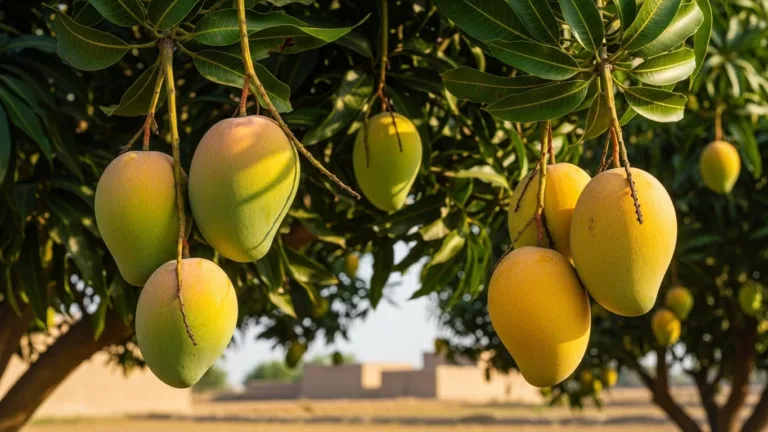
Imagine walking through streets where the sweet smell of ripe mangoes fills the air every summer. Picture markets overflowing with golden, juicy fruits so delicious that people travel from all over the country just to taste them. This isn’t some tropical paradise from a movie, it’s Multan, a real city in Pakistan that’s earned itself a pretty awesome nickname: the Mango City of Pakistan.
But why mangoes? Why Multan? And what makes this city so special that it gets its own fruit-themed title? Well, Multan isn’t just famous for growing a few mango trees here and there. This ancient city produces some of the best mangoes in the entire world, and they’ve been doing it for centuries. The mangoes from Multan are so good that they’re exported to countries across the globe, bringing a taste of Pakistani sunshine to people everywhere.
In this article, we’re going to explore what makes Multan the undisputed mango champion of Pakistan. We’ll discover the history behind this fruity fame, learn about the different types of mangoes grown there, and understand why the climate and soil in this region create the perfect recipe for mango magic. Companies like Multanfarms.com work directly with farmers in Multan to bring these incredible fruits to people who appreciate quality and tradition. So grab a snack (maybe a mango if you’ve got one handy) and let’s dive into the juicy world of Pakistan’s Mango City!
Where Exactly Is Multan and Why Does It Matter?
Before we get too deep into the mango talk, let’s get our geography straight. Multan is located in the Punjab province of Pakistan, sitting near the Chenab River in the southern part of the region. It’s one of the oldest cities in Asia, with a history going back over 5,000 years! That’s older than most civilizations you’ve learned about in history class.
The city has seen empires rise and fall, from ancient rulers to Mughal emperors. But through all these centuries, one thing has remained constant: Multan’s love affair with mangoes. The climate here is perfect for growing these tropical fruits, with hot summers that help the mangoes ripen to sweet perfection and just enough water from the river to keep the trees healthy.
Today, Multan is home to millions of people and thousands of mango orchards. During mango season (which runs from May to August), the entire city transforms into a mango lover’s dream. If you could bottle up the essence of summer, it would probably smell exactly like Multan during harvest time!
What Makes Multan’s Climate Perfect for Mangoes?
You can’t just plant a mango tree anywhere and expect it to produce amazing fruit. Mangoes are pretty picky about where they grow, and Multan happens to have hit the jackpot when it comes to mango-growing conditions. Let’s break down why this city is basically a mango paradise.
The Temperature Is Just Right
Mangoes love heat, and boy, does Multan deliver! Summer temperatures regularly climb above 100°F (that’s about 40°C), which might sound unbearably hot to you, but mango trees absolutely love it. Think of it like this: if mango trees could talk, they’d be saying “bring on the heat!” during Multan’s scorching summers. This intense heat helps the fruit develop that perfect sweetness and rich flavor that makes Multani mangoes famous.
The Soil Is Like Gold for Mango Trees
The soil in and around Multan is called alluvial soil, which basically means it’s been enriched by rivers over thousands of years. When rivers flood (in a controlled, good way), they leave behind nutrient-rich sediment that makes the soil incredibly fertile. It’s like the earth has been naturally fertilizing itself for millennia, creating the perfect growing medium for mango trees. The trees’ roots can dig deep and find all the minerals and nutrients they need to produce exceptional fruit.
Water When You Need It
The Chenab River provides irrigation water to the mango orchards, which is crucial because even though mangoes love heat, they still need water to grow. Farmers in Multan have perfected the art of watering their trees, giving them just enough moisture without drowning them. It’s a delicate balance, kind of like how you need to water a houseplant just right, not too much, not too little.
The Amazing Varieties of Mangoes Grown in Multan
Here’s where things get really interesting. Multan doesn’t just grow one type of mango, there are actually several different varieties, each with its own unique flavor, texture, and appearance. It’s like how there are different types of apples (Granny Smith, Red Delicious, etc.), but way more exciting because mangoes are, well, mangoes!
Chaunsa: The King of Mangoes
If mangoes had royalty, Chaunsa would definitely be wearing the crown. This variety is probably the most famous mango to come out of Multan, and people go absolutely crazy for it. Chaunsa mangoes are medium to large in size, with golden-yellow skin when ripe. The flesh inside is smooth, almost creamy, and incredibly sweet with very little fiber. When you bite into a perfectly ripe Chaunsa, it’s like tasting sunshine. It got its name from a town called Chaunsa, where legend says these mangoes were first cultivated centuries ago.
Sindhri: The Sweet Giant
Sindhri mangoes are the gentle giants of the mango world. They’re usually pretty big, sometimes weighing up to a pound each! These mangoes have bright yellow skin and sweet, aromatic flesh. They’re a bit less fibrous than some other varieties, which means you get that smooth, pudding-like texture that mango lovers crave. Sindhri season typically comes a bit earlier than Chaunsa, so mango fans in Multan get to enjoy them starting in May.
Anwar Ratol: The Small But Mighty
Don’t let the size fool you! Anwar Ratol mangoes are smaller than their cousins, but they pack an incredible punch of flavor. These mangoes are super sweet, almost like natural candy. They have a distinctive aroma that fills up a room as soon as you cut one open. Because they’re smaller, they’re perfect for kids who want to enjoy a whole mango without getting too full.
Langra: The Classic Choice
Langra mangoes have been around forever and they’re still going strong. They stay slightly green even when ripe (which can confuse people who expect all mangoes to turn completely yellow or red), but don’t let that fool you. A ripe Langra is juicy, sweet, and has a unique tangy kick that makes it stand out from sweeter varieties. It’s like the cool, mysterious friend in the mango group!
How Multan’s Mango Industry Works
Ever wonder how those mangoes get from the trees in Multan to markets and dinner tables around the world? It’s actually a pretty fascinating process that involves thousands of people and a whole lot of careful work.
The mango season in Multan is like a huge celebration that the entire city participates in. When the mangoes start ripening in May, orchards become buzzing hives of activity. Workers carefully pick the mangoes by hand, making sure not to bruise them because even a small bruise can affect the quality. It’s delicate work, kind of like handling water balloons, you need a gentle touch!
Once picked, the mangoes are sorted by size, quality, and ripeness. The very best mangoes (called “A-grade” or premium quality) are carefully packed for export or high-end markets. These are the ones that might end up in fancy fruit shops in Dubai, London, or New York. Companies like Multanfarms.com specialize in working with local farmers to ensure these premium mangoes reach customers who appreciate their exceptional quality.
The slightly smaller or less perfect mangoes (which are still delicious, by the way) get sold in local markets or used to make mango products like juices, chutneys, and pickles. Nothing goes to waste in Multan’s mango economy!
The Cultural Importance of Mangoes in Multan
In Multan, mangoes aren’t just a fruit, they’re part of the city’s identity. Imagine if your hometown was known worldwide for something it produces, that’s what it’s like for people in Multan. There’s a genuine sense of pride that comes with being from the Mango City.
During mango season, families have traditions around the fruit. It’s common for people to host “mango parties” where the main event is sitting together and enjoying different varieties of fresh mangoes. Kids get time off from school, and families might spend entire afternoons in orchards, picking and eating mangoes straight from the trees. It’s like how some families have traditions around apples in autumn, but even more intense!
The mango industry also provides jobs for thousands of people in Multan. From the farmers who tend the orchards year-round to the workers who harvest and pack the fruit, to the truck drivers who transport them, to the market vendors who sell them, mangoes are a major part of the local economy. When you buy a mango from Multan, you’re supporting entire communities of people who’ve dedicated their lives to perfecting this craft.
Why Multani Mangoes Are Considered the Best
So we’ve talked about how Multan grows mangoes, but what actually makes them the best? Why do people specifically seek out mangoes from this city? Let’s break down what sets Multani mangoes apart from the rest.
First, it’s all about taste. The combination of Multan’s climate, soil, and traditional farming methods creates mangoes with an unmatched flavor profile. They’re perfectly balanced between sweet and slightly tangy, with a richness that you just don’t find in mangoes from other regions. It’s like comparing homemade cookies to store-bought ones, technically they’re both cookies, but one is clearly superior!
Second, the texture is incredible. Multani mangoes, especially varieties like Chaunsa and Sindhri, have very little fiber. You know that stringy stuff you sometimes get stuck in your teeth when eating mangoes? Multani mangoes have way less of that. The flesh is smooth and almost creamy, which makes eating them a much more pleasant experience.
Third, there’s the traditional knowledge passed down through generations. Farmers in Multan have been perfecting their mango-growing techniques for centuries. They know exactly when to water, how to prune the trees, when to harvest, and how to handle the fruit. This isn’t something you can learn from a book, it’s wisdom that’s been shared from grandparents to parents to children over hundreds of years.
The Journey from Multan to Your Table
Have you ever thought about how far your food travels before it reaches you? For Multani mangoes, it can be quite a journey! Let’s follow a mango from tree to table and see what happens along the way.
It starts with a farmer noticing that mangoes on a particular tree are reaching the perfect ripeness. They’ll send skilled workers up the tree (or use long poles with baskets) to carefully pick the fruit. Each mango is inspected for any damage or blemishes. The best ones are wrapped individually in paper or soft padding to protect them during transport.
These premium mangoes are then packed in specially designed boxes that allow air circulation while protecting the fruit. They’re loaded onto refrigerated trucks that maintain the perfect temperature to keep the mangoes fresh without freezing them. From Multan, they might travel to Karachi for export, or to cities across Pakistan for local markets.
For international shipments, the mangoes go through customs, get loaded onto planes (yes, some mangoes travel better than most of us do!), and arrive in countries around the world within 24 to 48 hours. By working with quality-focused companies like Multanfarms.com, customers can get mangoes that are almost as fresh as if they’d picked them themselves in Multan!
Why This Matters to You
You might be thinking, “Okay, cool story about mangoes and this city in Pakistan, but why should I care?” That’s a fair question! Here’s why the story of Multan matters, even if you’ve never been there and maybe never will go.
First, it’s a reminder that food connects us all. That mango you might eat for a snack represents the work of farmers halfway around the world, soil that’s been enriched by rivers for thousands of years, and traditions passed down through countless generations. When you eat a Multani mango, you’re tasting history, geography, and human dedication all in one fruit.
Second, it shows how specific places can become world-famous for doing one thing really, really well. Multan didn’t try to be the best at everything, it focused on mangoes and became legendary for it. That’s a lesson we can apply to our own lives: sometimes it’s better to be excellent at one thing than mediocre at many things.
Finally, learning about places like Multan helps us appreciate the diversity and richness of our world. Pakistan’s Mango City is producing some of the most delicious fruit on the planet, contributing to local economies, and maintaining traditions that go back millennia. That’s pretty amazing when you think about it!
So the next time you see a mango at the grocery store or farmer’s market, check where it came from. If it’s from Multan, you know you’re in for a treat. And if it’s not, well, now you know what to look for if you want to taste one of the best mangoes in the world. The question is, are you ready to experience what makes Multan truly deserving of its title as Pakistan’s Mango City?