Have you ever sprinkled fresh, green leaves on your favorite curry or dipped a chip into a tangy chutney and wondered where that zesty flavor came from? That’s coriander, a super popular herb in Pakistan, and places like Multan Farms are experts at growing it! At Multanfarms.com, you can learn how farmers use the cool months to grow this tasty plant that spices up meals everywhere. In this article, you’ll discover when and why coriander grows best in Pakistan, how farmers make it happen, and how you could even try growing some at home.
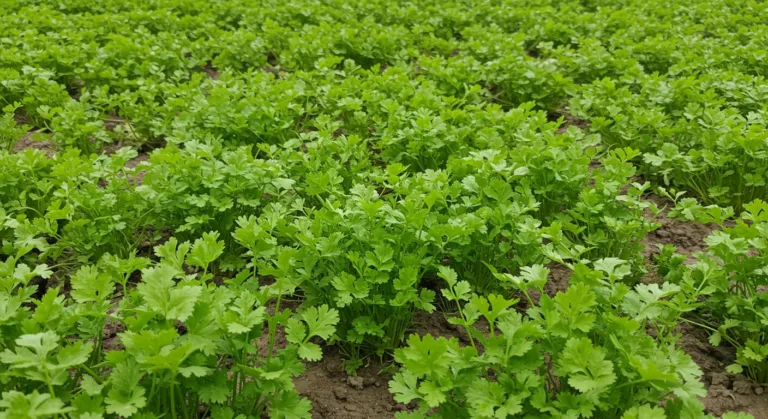
Imagine a crisp morning in Multan, with rows of bright green coriander plants swaying in the breeze, ready to add flavor to your next meal. This herb, also called dhania in Urdu, is like a kitchen superstar, used in everything from soups to snacks. Let’s dive into the world of coriander’s growing season and see why it’s such a big deal at Multan Farms!
Why Coriander Loves Pakistan’s Cool Months
In Pakistan, coriander thrives during the cooler months, especially from July to November and February to April, when temperatures are between 15-25°C. These seasons are perfect because coriander doesn’t like super-hot weather, it’s like a plant that prefers a light jacket over a heavy coat. At Multan Farms, farmers plant coriander in these months to get lush, green leaves ready for harvest in just 45-50 days.
The mild weather in places like Multan, combined with rich, well-drained soil, acts like a cozy bed for coriander seeds to sprout and grow. This timing helps the plants stay healthy without bolting, which is when they grow flowers too soon and stop making tasty leaves. Did you know coriander is also called cilantro in some countries, but it’s the same awesome herb?
What Makes Coriander So Special?
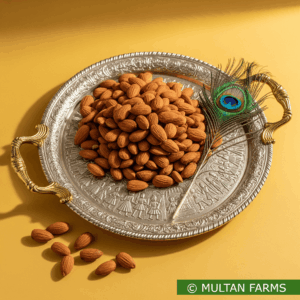
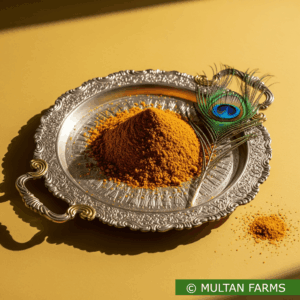
Coriander is like the seasoning that makes your food pop, adding a fresh, slightly citrusy taste to dishes like biryani or salsa. Its leaves are used for garnishing, while its seeds are ground into spices, making it a two-in-one plant. At Multan Farms, they grow coriander that’s perfect for both, giving you flavor and health benefits like antioxidants that keep you strong.
You can chop the leaves for salads or blend them into chutney, kind of like adding sprinkles to your ice cream for extra fun. Plus, coriander helps with digestion, so it’s like a natural helper for your tummy after a big meal. It’s no wonder every kitchen in Pakistan loves this herb!
How Farmers Grow Coriander at Multan Farms
Growing coriander is like starting a small garden project that pays off fast. At Multan Farms, farmers sow coriander seeds directly into the soil, spacing them about 2 inches apart and covering them lightly, like tucking seeds into a blanket. They make sure the soil is loamy and well-draining, meaning it lets water pass through without getting soggy, similar to how a sponge holds just enough water.
Farmers water the plants gently to keep the soil moist and place fields where they get 4-6 hours of sunlight daily, like giving the plants a sunny spot to chill. In about 3-4 weeks, the leaves are ready to harvest, perfect for adding to your favorite dishes.
Tips for Growing Your Own Coriander
Want to grow coriander at home? It’s easier than you think! Here’s how you can do it, inspired by Multan Farms:
- Pick the right time: Sow seeds in July to November or February to April to match Pakistan’s cool seasons.
- Choose a spot: Use a pot or garden bed with well-draining soil, like a mix of dirt and compost, and place it where it gets partial shade to avoid bolting.
- Water carefully: Keep the soil moist but not soaked, like watering a plant just enough to keep it happy.
- Harvest smart: Cut outer leaves when plants are 6-8 inches tall, leaving the center to keep growing, like trimming your hair without cutting it all off.
You can use a pot on your balcony or a small garden patch. It’s like growing your own pizza toppings, fresh and ready whenever you need them
Challenges of Growing Coriander
Growing coriander isn’t always smooth sailing, it’s like keeping a pet that needs just the right care. One challenge is bolting, when plants get too hot and start flowering early, making leaves taste bitter. Farmers at Multan Farms plant in cooler months and provide shade to prevent this, like putting up an umbrella on a sunny day.
Pests like aphids, tiny bugs that munch on leaves, can also be a problem. Farmers use natural solutions like neem oil, which is like a safe bug spray, to keep plants healthy. Weather, like heavy rain, can make the soil too wet, so good drainage is key to success.
Why Coriander Is Good for You and the Planet
Coriander isn’t just tasty, it’s like a mini health boost in every leaf. It’s packed with vitamins A and C, which help your eyes and immune system, like a shield against colds. At Multan Farms, they grow it without harmful chemicals, so it’s safe and eco-friendly, like choosing reusable bags over plastic ones.
This herb grows fast and doesn’t need much water, making it a sustainable crop that’s kind to the planet. Farmers rotate coriander with other crops to keep the soil healthy, ensuring more harvests in the future. It’s like taking care of your toys so they last longer!
The Big Impact of Coriander Farming
Coriander season in Pakistan does more than just flavor your food, it helps communities thrive. It creates jobs for farmers, harvesters, and market sellers, especially in Multan where places like Multan Farms lead the way. It’s like a team effort that keeps money flowing in rural areas.
Coriander is a star in Pakistani cuisine, from street food chutneys to home-cooked curries, and it’s even exported abroad. Farms share tips to grow better crops, like a coach helping you improve your game. Did you know coriander is used in over half of Pakistan’s dishes, making it a kitchen must-have?
Why Coriander Season Matters to You
So, why should you care about coriander’s growing season? Every time you enjoy a spicy dish or a fresh salad, you’re tasting the hard work of farmers at places like Multan Farms, who use cool seasons to grow this awesome herb. Their sustainable ways help keep the planet green, so we can all enjoy fresh flavors for years. It’s like knowing the story behind your food makes it taste even better!
Next time you sprinkle coriander on your meal, think about the fields in Multan where it grew. Want to try growing your own? Visit Multanfarms.com for more tips and tricks! What’s your favorite dish with coriander, and wouldn’t it be cool to grow a pot of this herb on your windowsill?