Picture this: you walk out to a big blue tank or a pond behind your house, scoop up a net, and pull out a shiny, wiggling fish that you raised yourself. No ocean, no fishing rod, just you and thousands of fish growing super fast right where you live. Sounds like something from the future, right? Nope! It’s called a fish farming project, and kids your age all over the world (even in Multan, Pakistan) are doing it right now.
Today we’re diving into how regular people turn water, feed, and baby fish into a real money-making, food-growing adventure. You’ll discover the different ways to farm fish, what fish grow the fastest, how to keep them healthy, and even how you could start a mini project at home or school. Ready? Let’s jump in!
What Exactly Is Fish Farming, Anyway?
Fish farming, also called aquaculture, is basically farming under water. Instead of growing corn or carrots on land, farmers grow fish, shrimp, or even shellfish in tanks, ponds, or cages. It’s like raising chickens, but the “chickens” swim and breathe through gills.
People have been doing this for thousands of years (ancient Egyptians and Chinese were pros), but today it’s exploding because wild oceans can’t keep up with how much fish we eat. Fun fact: more than half the fish we eat worldwide now comes from farms, not the sea!
Which Fish Grow Like Crazy and Make Money Fast?
Not all fish are good for farming. You want ones that:
- Grow super quick
- Eat cheap food
- Don’t get sick easily
- Taste awesome
Here are the rockstars in Pakistan and many other places:
- Tilapia – Grows from finger-size to plate-size in just 6-8 months. Eats almost anything, even leftover bread!
- Rohu, Catla, and Mrigal – These Indian major carps are the kings of Pakistani ponds. A baby fingerling can become a 1-2 kg giant in one year.
- Pangasius (also called basa) – Super fast grower, loves warm water, and sells like hot cakes.
- Trout – For colder areas in the north, these beauties grow in mountain streams and taste amazing.
Different Ways to Set Up Your Fish Farm
You don’t need an ocean. You just need water and a plan. Here are the coolest setups:
- Earthen ponds – Dig a big hole, line the bottom if needed, fill with water. Most common in villages.
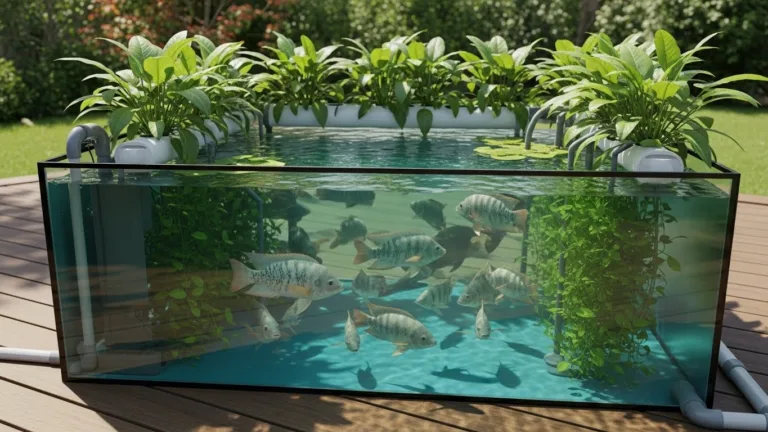
- Concrete tanks – Perfect for cities or backyards. Easy to clean and control.
- Cage farming – Giant nets floating in lakes or dams. Fish swim freely but can’t escape.
- Biofloc system – Sounds fancy, but it’s a tank where special bacteria clean the water so you barely have to change it. Saves tons of water!
At Multan Farms they use a mix of ponds and biofloc tanks so they can grow fish all year round, even when it’s super hot or cold.
How Do You Actually Raise Thousands of Fish Without Them Dying?
Fish are picky roommates. If the water gets dirty or too hot, they get stressed and sick fast. Here’s the daily checklist real fish farmers follow:
- Feed them 2-3 times a day (special pellets that float or sink depending on the fish)
- Keep oxygen high with aerators (like giant bubble machines)
- Check water temperature (most fish love 26-30°C)
- Add lime or probiotics to stop bad bacteria
- Harvest on time so the longer you wait, the more food they eat without growing bigger!
Think of it like taking care of a giant aquarium, except your “pets” are dinner in a few months.
Can Fish Farming Make Real Money (and Help the Planet)?
Yes and YES! A small 1-acre pond in Pakistan can produce 3,000–5,000 kg of fish in one year. Sell them at the market for 400-600 rupees per kg, and you’re looking at serious cash. Many families have changed their lives with just a few ponds.
Even better? Fish farming uses way less water than growing rice or cotton, and fish turn feed into body weight way more efficiently than cows or chickens. That means more food with less damage to Earth. Win-win!
Could YOU Start a Tiny Fish Farming Project?
Absolutely! You don’t need a huge farm. Here’s a starter idea:
- Get a 1,000-liter plastic tank or old bathtub.
- Fill it with clean water and add an air pump.
- Buy 100-200 tilapia fingerlings (they cost almost nothing).
- Feed them twice a day with floating fish feed or even cooked rice and veggies.
- In 6 months you’ll have fish big enough to grill for the whole family!
Schools in Lahore and Karachi are already doing classroom fish projects. Imagine telling your friends you grew your own lunch!
Fish farming isn’t just a job for grown-ups in muddy boots. It’s a way to grow healthy protein, make money, and take care of the planet, all at the same time. Whether you start with a bucket on your roof or dream of giant ponds one day, every fish farmer started exactly where you are now, curious and ready to try something new.
So… what’s stopping you? Grab a notebook, sketch your dream fish tank, and who knows, maybe next year you’ll be the one pulling dinner straight out of your backyard pond. Are you in?