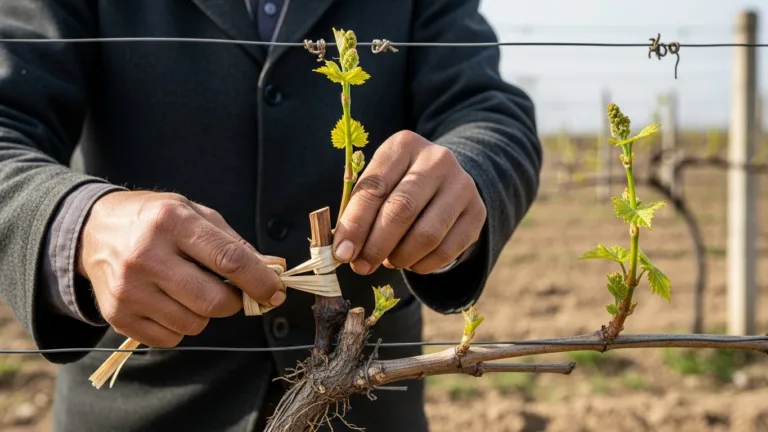
Have you ever bitten into a sweet, juicy grape and wondered how farmers create such delicious varieties? The secret isn’t just in planting seeds and waiting. There’s actually a fascinating technique called grafting that helps farmers grow better, stronger grape vines. It’s kind of like giving a plant a superpower upgrade!
In Pakistan, where agriculture is a huge part of the economy and grapes are a beloved fruit, knowing the right time to graft is absolutely crucial. Imagine trying to build a sandcastle when the tide is coming in, it just won’t work, right? The same idea applies to grafting grapes. Do it at the wrong time, and all your hard work could go to waste. But do it during the perfect season, and you’ll end up with healthy, productive grape vines that can feed families and communities for years to come.
So when exactly is this magical grafting season in Pakistan? And why does timing matter so much? Let’s explore the world of grape grafting and discover why Pakistani farmers pay such close attention to their calendars. Whether you’re curious about agriculture or just love eating grapes, understanding this process will give you a whole new appreciation for the fruit bowl on your table.
What Exactly Is Grafting and Why Do Farmers Do It?
Before we jump into the when, let’s talk about the what. Grafting is basically plant surgery, but way cooler than it sounds! It’s a technique where you take a cutting from one grape vine (called the scion) and attach it to the root system of another vine (called the rootstock). Think of it like combining the best qualities of two different plants into one super plant.
Why would anyone want to do this? Well, imagine you have a grape variety that produces the most delicious, sweet grapes anyone has ever tasted. But this plant has weak roots and gets sick easily. On the other hand, you have another grape variety with incredibly strong, disease-resistant roots, but its grapes taste pretty bland. By grafting the delicious grape variety onto the strong root system, you get the best of both worlds!
In Pakistan, farmers use grafting for several smart reasons. Some grape varieties can’t handle certain soil conditions or diseases that are common in the region. By grafting these varieties onto tougher rootstocks, farmers can grow grapes that would otherwise struggle or fail completely. It’s like giving your favorite grape variety a suit of armor to protect it from whatever challenges the environment throws its way.
The Golden Window: February to March in Pakistan
Now here’s the answer you’ve been waiting for. The absolute best time for grafting grapes in Pakistan is during late winter to early spring, specifically from mid-February through March. This period is like the Goldilocks zone for grape grafting, not too hot, not too cold, but just right!
Why is this timing so perfect? During these months, the weather in most grape-growing regions of Pakistan starts warming up after winter. The grape vines are coming out of their dormant period (that’s like their winter sleep), and the sap, which is basically the plant’s blood, starts flowing again. This is crucial because the flowing sap helps the grafted parts join together and heal properly.
Think about it like this: if you’ve ever had a cut or scrape, you know it heals best when you’re healthy, well-rested, and your body has all the resources it needs. The same idea applies to plants! When the vine is actively growing and the sap is flowing, it can “heal” the graft point much more effectively. Try to graft during extreme heat or cold, and the plant just won’t have the energy or conditions it needs to make the connection work.
Regional Differences Across Pakistan
Pakistan is a big country with different climate zones, so the exact grafting time can vary depending on where you are. In Punjab, which is one of the major grape-growing regions, farmers typically start grafting in late February. The weather there begins warming up nicely around this time, creating ideal conditions for the grafting process.
In areas like Balochistan and parts of Khyber Pakhtunkhwa, where it might stay a bit colder for longer, farmers might wait until early March to begin their grafting work. It’s all about reading the local weather patterns and understanding your specific environment. A farmer in Multan might start a week or two earlier than a farmer in Quetta simply because their climates are different.
This is where local knowledge becomes super valuable. Experienced farmers, like those who might supply quality plants through platforms like Multanfarms.com, understand these regional differences inside and out. They know exactly when to graft based on years of experience and paying attention to weather patterns in their specific area.
How Temperature Plays a Starring Role
Temperature is absolutely critical when it comes to successful grape grafting. The ideal temperature range for grafting is between 15°C to 25°C (that’s about 59°F to 77°F). This range is warm enough to encourage growth and healing but not so hot that it stresses the plant or causes the graft to dry out before it can properly connect.
During February and March in Pakistan’s main grape-growing regions, temperatures typically fall right into this sweet spot. The days are pleasantly warm, giving the plants energy to grow, while the nights are still cool enough to prevent excessive stress. It’s like having perfect weather for outdoor activities, not too hot to make you exhausted, but warm enough to be comfortable and active.
If you try grafting during Pakistan’s scorching summer months (May through August), you’re setting yourself up for failure. The extreme heat would dry out the graft before it could heal, kind of like trying to glue two pieces of paper together in a desert. The winter months (December and January) are equally problematic because the vines are dormant and the cold temperatures slow down all growth processes. The graft simply won’t take because the plant isn’t actively growing.
The Step-by-Step Grafting Process
So what actually happens during the grafting season? Let’s break it down into simple steps so you can understand what farmers are doing in those fields from February to March.
Preparation Phase: First, farmers select healthy parent plants. They choose strong rootstock (the bottom part with roots) and high-quality scions (the top part that will produce grapes). This is like picking the best players for your sports team, you want strong performers in every position!
Making the Cut: Using sharp, sterilized tools, farmers make precise cuts on both the rootstock and the scion. These cuts need to match up perfectly so the two parts can connect properly. It’s similar to putting together a puzzle, the pieces need to fit just right.
Joining the Parts: The scion is carefully placed onto the rootstock, making sure the cambium layers (that’s the actively growing part just under the bark) line up. Think of the cambium as the plant’s highway for nutrients. If these highways don’t connect properly, nothing can flow between the two parts.
Sealing and Protecting: Farmers wrap the graft point with special tape or grafting wax to keep it moist and protected from infections. This is like putting a bandage on a wound, it keeps everything clean and helps the healing process.
Why Success Rates Matter and How to Boost Them
Here’s something interesting: when grafting is done during the optimal season with proper technique, success rates can be as high as 80-90%! That means almost all of the grafted vines will survive and thrive. But if you graft at the wrong time or without following proper procedures, that success rate can drop to below 30%. That’s a huge difference!
To maximize success during the grafting season, farmers in Pakistan follow several best practices. They make sure all their tools are super clean (sterilized) to prevent infections. They work quickly so the cut surfaces don’t dry out. They choose healthy parent plants that are disease-free. And they provide proper aftercare, which includes keeping the grafted vines in a protected environment for a few weeks while they heal.
Moisture control is another big factor. During the grafting season, farmers need to maintain adequate moisture around the graft point without making it too wet (which could cause rot). It’s a delicate balance, kind of like watering a houseplant, you need just the right amount. Too much attention to these details during February and March can mean the difference between a thriving vineyard and a failed crop.
Learning From the Experts
The farmers who have been grafting grapes for generations in Pakistan have developed an almost intuitive sense of timing. They don’t just look at the calendar, they observe nature’s signals. They watch for when the buds on grape vines start to swell slightly, indicating that sap is beginning to flow. They feel the soil temperature and monitor day-to-day weather patterns.
This traditional knowledge, combined with modern agricultural understanding, creates the most successful grafting operations. Places like Multanfarms.com work with experienced growers who understand both the art and science of grape grafting. They know that while February to March is generally the best window, you also need to be flexible and responsive to each year’s unique conditions.
Young farmers entering the agriculture business can learn so much from these experienced growers. The knowledge of when to graft, how to graft, and how to care for grafted plants afterward is incredibly valuable. It’s the kind of wisdom that gets passed down through families and communities, helping Pakistan’s grape industry continue to grow and thrive.
Your Connection to the Grafting Season
So why should you care about when grapes are grafted in Pakistan? Well, every time you enjoy fresh grapes or raisins, you’re benefiting from farmers who carefully timed their grafting during that perfect February to March window. Those sweet, delicious grapes didn’t just happen by accident, they’re the result of skilled agricultural work done at exactly the right time.
Understanding the grafting season also helps you appreciate how much planning and knowledge goes into farming. It’s not just about throwing seeds in the ground and hoping for the best. Successful agriculture requires understanding plant biology, climate patterns, and precise timing. The next time you bite into a grape, take a moment to think about the journey it took to get to you, including that critical grafting season when everything began.
Whether you’re interested in agriculture as a potential career, curious about where your food comes from, or just fascinated by how plants work, the grape grafting season in Pakistan is a perfect example of how science and nature work together. Who knows? Maybe this knowledge will inspire you to learn more about agriculture, or even try grafting a plant yourself someday. After all, the farmers who master this skill today started out just as curious as you are right now!