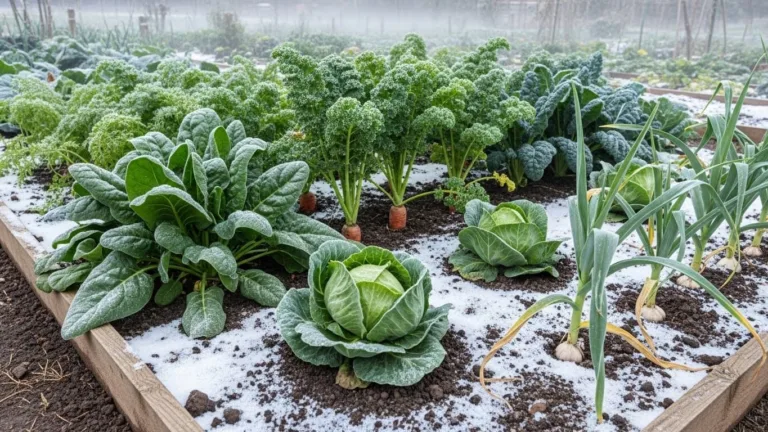
Picture this: it’s a chilly winter morning, frost covers the ground, and you’re bundled up in your warmest jacket. You might think that all the plants have gone into hiding until spring, right? Wrong! Believe it or not, winter is actually an amazing time to grow tons of delicious vegetables. Some veggies actually prefer the cold weather and taste even better when there’s a bit of frost in the air.
If you’ve ever wanted to start a garden or help out with one at home, understanding which vegetables thrive in winter is like having a secret superpower. Instead of staring at an empty garden all winter long, you could be harvesting fresh, crunchy vegetables right from your backyard! A winter vegetables chart is basically your roadmap to cold-weather gardening success, showing you exactly what to plant and when.
In this article, we’re going to explore the coolest (pun intended!) vegetables that love winter weather, when to plant them, and why having a winter vegetables chart can turn you into a gardening genius. Whether you live in a place with mild winters or seriously cold ones, there’s something green and delicious you can grow. Let’s dig in!
Why Do Some Vegetables Actually Love Cold Weather?
You might be wondering, “How can any plant survive when it’s freezing outside?” Great question! The truth is, not all vegetables are the same. While tomatoes and peppers would absolutely hate winter and die at the first sign of frost, other vegetables are basically the polar bears of the plant world. They’re built for cold!
These cold-loving vegetables, often called cool-season crops, have special adaptations that help them survive and even thrive when temperatures drop. Some vegetables, like kale and Brussels sprouts, actually become sweeter after a frost. That’s because when it gets cold, these plants convert their starches into sugars as a kind of natural antifreeze. It’s like they’re making their own hot chocolate to stay warm!
Think about it like this: some people love summer and can’t stand the cold, while others feel most alive when they can see their breath in the air. Vegetables are the same way! Summer vegetables (like tomatoes and cucumbers) are the beach lovers, while winter vegetables (like broccoli and carrots) are the snow enthusiasts. Knowing which vegetables belong to which group helps you plan your garden perfectly.
The Ultimate Winter Vegetables Chart: What to Plant and When
Having a winter vegetables chart is like having a cheat sheet for your garden. It tells you exactly what to plant, when to plant it, and when you can expect to harvest. Let’s break down some of the most popular winter vegetables and what makes them special.
The Super Hardy Champions (Can Handle Serious Cold):
- Kale: This leafy green is basically indestructible! It can survive temperatures as low as 10°F (-12°C) and actually tastes better after frost. Plant it in late summer or early fall for winter harvests.
- Brussels Sprouts: These cute little mini-cabbages need about 90-100 days to grow and can handle frost like champions. They’re perfect for holiday dinners!
- Carrots: Believe it or not, carrots can stay in the ground even under snow! The cold makes them extra sweet. Plant them in late summer for a winter harvest.
The Cold-Tolerant All-Stars (Handle Light Frost):
- Broccoli: This superfood loves temperatures between 45°F and 75°F. It takes about 60-90 days to mature, so plan accordingly!
- Cauliflower: Similar to broccoli, cauliflower thrives in cool weather and needs protection from hard freezes.
- Lettuce and Spinach: These leafy greens grow fast (30-45 days) and can tolerate light frosts, making them perfect for continuous winter salads.
The Cool-Weather Friends (Prefer Mild Winters):
- Peas: Both snap peas and snow peas love cool weather and can be planted as soon as the soil can be worked in late winter.
- Radishes: These grow super fast (about 25 days!) and do best in cool temperatures. They’re perfect for impatient gardeners!
- Cabbage: Takes about 70-90 days to mature but handles cold weather beautifully once established.
Creating Your Own Personalized Winter Vegetables Chart
Now that you know which vegetables can handle winter, how do you create a chart that works for your specific location? This is where things get really interesting because winter in California is totally different from winter in Maine!
The first step is knowing your hardiness zone. This is basically a number that tells you how cold it gets in your area during winter. You can find your zone by searching online for “USDA hardiness zone” plus your location. Once you know your zone, you can figure out your average first and last frost dates, which are super important for planning.
Here’s a simple way to create your own chart: get a piece of paper or open a spreadsheet on your computer. Make columns for the vegetable name, planting time, harvest time, and any special notes. For example, if you’re in a zone where winter temperatures rarely drop below 40°F, you might include crops like lettuce, broccoli, and peas. If you’re in a colder zone, focus on the super hardy vegetables like kale and carrots.
Resources like Multanfarms.com can provide specific guidance for your region, including which varieties of winter vegetables work best in your climate. Different varieties of the same vegetable can have different cold tolerances, so it’s worth doing a bit of research before you start planting!
Timing Is Everything: When to Plant Your Winter Vegetables
Here’s something that confuses a lot of beginning gardeners: you don’t plant winter vegetables in winter! Most winter vegetables actually need to be planted in late summer or early fall so they have time to grow before the really cold weather hits. It’s kind of like studying for a test, you need to prepare ahead of time, not the night before!
Think about it this way. If you want to harvest broccoli in December, and broccoli takes 70 days to mature, you need to count backward from December to figure out when to plant. That means you’d plant in late September or early October. See how that works? Your winter vegetables chart should include these backward calculations so you know exactly when to get your seeds in the ground.
Some vegetables, like lettuce and radishes, can be planted multiple times throughout the winter in mild climates because they grow so quickly. This is called succession planting, and it’s a smart way to have fresh vegetables available all winter long instead of everything maturing at once. It’s like having a conveyor belt of food coming out of your garden!
Protecting Your Winter Garden: Tips and Tricks
Even though winter vegetables are tough, they sometimes need a little help to make it through the coldest nights. Think of it like wearing a coat, you can handle cold weather, but a good jacket makes it way more comfortable!
Row covers are like blankets for your plants. They’re made of lightweight fabric that lets light and water through but traps heat underneath. When temperatures are expected to drop really low, throwing a row cover over your vegetables can make a huge difference. You can find these at garden stores or online through sites like Multanfarms.com.
Cold frames are another awesome option. These are basically boxes with clear lids (often made from old windows) that sit over your plants and create a mini greenhouse effect. On sunny winter days, it can be 20 degrees warmer inside a cold frame than outside! Just remember to open them up on warmer days so your plants don’t overheat.
Mulch is also your friend in winter gardening. Spreading a thick layer of straw, leaves, or wood chips around your plants helps insulate the soil and keeps root vegetables like carrots from freezing solid. It’s like tucking your vegetables into bed with a warm blanket!
The Amazing Benefits of Winter Vegetable Gardening
Why should you even bother with a winter garden when you could just buy vegetables from the store? Well, there are actually some pretty awesome reasons! First, winter vegetables from your own garden taste incredible. There’s something magical about eating food you grew yourself, especially when everything around you looks dead and brown.
Second, it’s a great way to save money and eat healthier. Fresh vegetables can be expensive at the grocery store, especially organic ones. When you grow your own, you know exactly what went into them (no weird chemicals or pesticides), and you can pick them at their peak freshness.
Third, winter gardening teaches you so much about nature, patience, and planning. You’ll learn to read weather patterns, understand plant biology, and develop problem-solving skills. Plus, it gives you something productive to do during the winter months when you might otherwise be stuck inside playing video games (not that there’s anything wrong with that, but balance is good!).
Finally, knowing how to grow food is an incredibly valuable skill. As climate change affects our food systems and people become more interested in sustainable living, understanding how to produce your own food becomes more important. Starting with a simple winter vegetables chart is a great first step toward food independence!
Your Winter Garden Adventure Starts Now
Creating and using a winter vegetables chart isn’t just about growing food, it’s about connecting with nature, learning new skills, and enjoying fresh, delicious vegetables even when there’s snow on the ground. The best part? You don’t need a huge space or lots of experience to get started. Even a small garden bed or some containers on a sunny porch can produce amazing results!
Remember, every expert gardener started exactly where you are right now, curious and maybe a little unsure. But with a good winter vegetables chart to guide you, some quality seeds or plants, and a willingness to learn from both successes and mistakes, you’ll be harvesting your own winter vegetables before you know it.
So what are you waiting for? Grab some paper, start researching which vegetables work best in your area, and create your own winter vegetables chart. Your future self (and your taste buds!) will thank you when you’re munching on sweet, crispy carrots or making a salad from fresh lettuce you grew yourself, all while the world outside is frozen solid. Now that’s pretty cool, don’t you think?