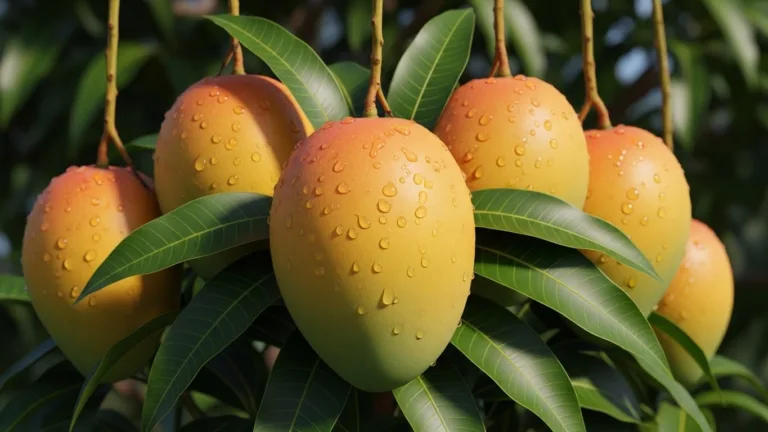
Have you ever bitten into a juicy, golden mango and felt like you were tasting sunshine? There’s a reason why mangoes are called the “king of fruits” in many parts of the world. This tropical treasure isn’t just delicious, it’s packed with fascinating history, incredible health benefits, and some seriously cool science. Whether you’ve enjoyed mangoes in smoothies, salads, or straight from the peel, there’s so much more to discover about this amazing fruit.
Mangoes have been around for thousands of years, and they’ve traveled across continents to become one of the most popular fruits on the planet. From ancient legends to modern farms like Multanfarms.com, mangoes have quite the story to tell. So, let’s dive into the wonderful world of mangoes and uncover what makes them so special!
Where Do Mangoes Come From?
Believe it or not, mangoes have been growing for over 4,000 years! They originally came from South Asia, particularly India and Myanmar. Ancient Indian texts mention mangoes as symbols of love and prosperity, and legends say that Buddha himself meditated in a mango grove. Pretty cool, right?
Today, mangoes grow in tropical and subtropical regions all over the world. Countries like India, China, Thailand, Mexico, and Pakistan are some of the biggest mango producers. In fact, there are over 1,000 different varieties of mangoes grown worldwide! Each variety has its own unique flavor, color, and texture. Some are super sweet like honey, while others have a slight tangy kick. At farms like Multanfarms.com, growers carefully cultivate mangoes to bring out the best flavors and ensure top quality.
The mango tree itself is an evergreen tree that can grow up to 100 feet tall and live for more than 300 years. Imagine a tree that could have been around since before your great-great-great-grandparents were born! These trees produce beautiful flowers before the fruit appears, and it takes about three to six months for a mango to fully ripen on the tree.
What’s Inside a Mango?
When you look at a mango, you’re seeing nature’s perfect package. The outer skin can be green, yellow, orange, or red, depending on the variety and ripeness. Some mangoes even have a beautiful blend of all these colors! The skin is technically edible, but most people peel it off because it can be a bit tough and sometimes causes irritation for people with sensitive skin.
Inside the skin, you’ll find the golden, juicy flesh that everyone loves. This is the part that’s bursting with flavor and nutrients. The texture is smooth and slightly fibrous, kind of like a firm peach but more tropical. At the center of every mango is a large, flat seed (or pit) that takes up a surprising amount of space. Fun fact: that seed is actually edible too, though it’s not commonly eaten because it’s quite bitter and hard.
The amount of juice in a ripe mango is incredible. If you’ve ever cut into one, you know how the sweet juice can drip down your hands and arms. That’s why many people call eating a fresh mango a “messy but totally worth it” experience!
Why Are Mangoes So Good for You?
Here’s where mangoes really show off. These fruits are like nature’s multivitamin! A single cup of sliced mango gives you almost your entire daily requirement of vitamin C, which helps your immune system fight off colds and keeps your skin healthy. Think of vitamin C as your body’s personal bodyguard, always on duty to protect you.
Mangoes are also loaded with vitamin A, which is essential for good vision. Your eyes need vitamin A to work properly, especially in low light. So eating mangoes might actually help you see better! Plus, they contain fiber, which helps your digestive system work smoothly. Fiber is like a broom that sweeps through your intestines, keeping everything clean and moving.
But wait, there’s more! Mangoes contain antioxidants, which are special compounds that protect your cells from damage. Imagine your body’s cells are like cars, and antioxidants are the mechanics that keep them running smoothly and prevent rust and wear. The antioxidants in mangoes, like mangiferin and quercetin, have been studied by scientists who think they might help prevent various diseases.
Despite being sweet, mangoes have a relatively low glycemic index, which means they won’t cause your blood sugar to spike dramatically like candy would. This makes them a smart snack choice when you need an energy boost.
How Do Mangoes Grow?
The journey from flower to fruit is pretty amazing. Mango trees bloom with thousands of tiny flowers, but only about one or two out of every thousand flowers actually becomes a mango. The tree is super selective! Once pollination happens (usually thanks to flies, bees, and other insects), the tiny fruit begins to develop.
As the mango grows, it goes through several stages. At first, it’s small, hard, and very sour. Farmers at places like Multanfarms.com carefully monitor their mangoes throughout this growing process, checking for pests, making sure the trees get enough water, and protecting the fruit from extreme weather. It’s kind of like being a parent to thousands of baby mangoes!
When the mango is ready to harvest, it might still be green on the outside. That’s okay! Many mangoes are picked before they’re fully ripe because they continue to ripen after being picked. This is called climacteric ripening, and it’s the same process that happens with bananas and tomatoes. You can actually ripen a mango at home by leaving it on your kitchen counter for a few days. When it starts to give slightly when you gently squeeze it, and it smells sweet and fruity near the stem, it’s ready to eat!
What Are the Different Ways to Enjoy Mangoes?
The possibilities are endless! In many cultures, people eat mangoes at different stages of ripeness. Unripe green mangoes are often used in chutneys, pickles, and savory dishes. They have a tart, sour taste that adds a zingy flavor to foods. Some people even sprinkle them with salt and chili powder for a tangy snack.
Ripe mangoes, of course, are perfect for eating fresh. But they’re also fantastic in smoothies, where they blend into a creamy, tropical treat. You can add mango chunks to yogurt, cereal, or salads for a sweet surprise. Mango salsa, made with diced mango, onions, cilantro, and lime juice, is a refreshing topping for fish or chicken.
Don’t forget about mango desserts! Mango ice cream, sorbet, and the famous Indian dessert called mango kulfi are all delicious ways to beat the heat. In Thailand, people love mango sticky rice, a dessert that combines sweet coconut rice with fresh mango slices. And if you’re feeling adventurous, you can even dry mango slices to make a chewy, concentrated snack.
At farms like Multanfarms.com, growers take pride in producing high-quality mangoes that can be enjoyed in all these different ways. The key is picking the right variety for the right purpose and ensuring the fruit is harvested at the perfect time.
Why Should You Care About Mangoes?
Beyond just being tasty, mangoes play an important role in many economies and cultures around the world. For millions of farmers, mango cultivation provides income to support their families. The mango industry creates jobs in farming, transportation, processing, and sales.
Environmentally, mango trees are pretty awesome too. They absorb carbon dioxide from the air and produce oxygen, just like all trees do. A mature mango tree can absorb about 50 pounds of carbon dioxide per year! They also provide shade and habitat for various birds, insects, and other wildlife.
Culturally, mangoes hold special significance in many countries. They appear in art, literature, and religious ceremonies. In India, mango leaves are often used in decorations during weddings and festivals because they symbolize good fortune and happiness. Some cultures believe that hanging mango leaves at your doorway brings prosperity to your home.
The Sweet Conclusion
From ancient groves in Asia to modern farms like Multanfarms.com, mangoes have captured hearts (and taste buds) across the globe. They’re not just fruits, they’re nutritional powerhouses, cultural symbols, and environmental helpers all wrapped in one delicious package. Whether you prefer them green and tangy or ripe and sweet, there’s a mango variety and recipe out there for everyone.
Next time you enjoy a mango, take a moment to appreciate the incredible journey it took to reach you. Think about the farmer who nurtured the tree, the thousands of flowers that bloomed, the months of sunshine and rain that helped it grow, and the rich history spanning thousands of years. Pretty amazing for something that tastes so good, right?
So here’s a question for you: What’s your favorite way to eat a mango, or if you haven’t tried one yet, which way would you like to try first? Whatever you choose, you’re in for a tropical treat that’s as nutritious as it is delicious!