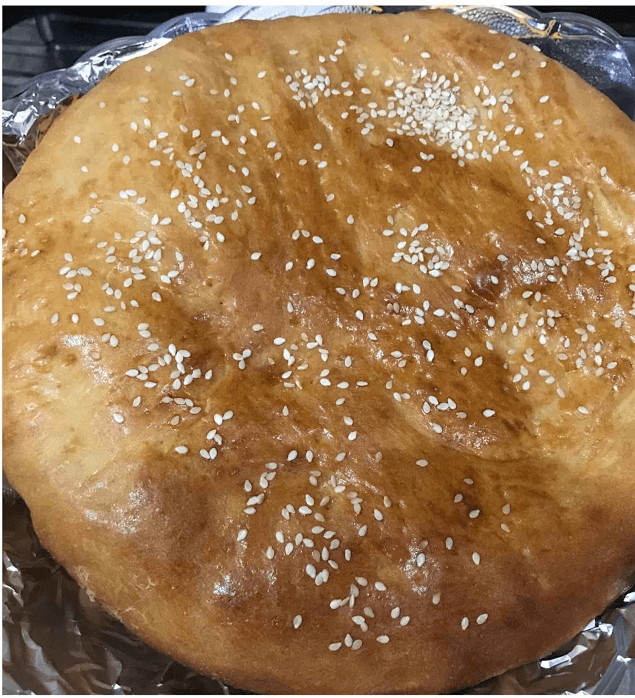
Imagine biting into a warm, soft piece of bread that’s been cooked over an open flame, with little charred spots that add the perfect smoky flavor. The bread is slightly chewy, perfectly fluffy, and tastes amazing whether you eat it plain or use it to scoop up your favorite curry. Sound delicious? Well, you’ve just imagined doli roti, one of the most beloved traditional breads in Pakistani cuisine!
If you’ve never heard of doli roti before, you’re in for a treat (literally!). This isn’t your typical sliced bread from the grocery store. Doli roti is a handmade flatbread that’s been part of Pakistani food culture for generations, especially in rural areas and villages. It’s the kind of bread that brings families together, makes meals feel special, and fills your home with the most incredible aroma while it’s cooking.
In this article, we’re going to explore everything about doli roti, from what makes it unique to how it’s traditionally made, and why it’s still so popular today. Whether you’re curious about different cultures, love trying new foods, or just want to understand what makes this bread so amazing, you’re about to discover something really cool!
What Exactly Is Doli Roti?
Let’s start with the basics. Doli roti is a type of flatbread that comes from Pakistan, particularly from the Punjab region. The word “roti” simply means bread in several South Asian languages, and “doli” refers to the traditional way it’s prepared and shaped. Think of it as a cousin to other flatbreads you might know, like naan or chapati, but with its own special characteristics that make it stand out.
What makes doli roti different from other breads? Well, it’s all about the texture and cooking method. Doli roti is typically thicker than regular chapati but not as fluffy as naan. It has this perfect balance where the outside gets slightly crispy and charred (in a good way!), while the inside stays soft and tender. It’s kind of like comparing a pancake to a crepe, they’re both delicious, but they each have their own unique appeal.
The traditional way of making doli roti involves cooking it on a tawa (a flat or slightly curved griddle) or sometimes in a clay oven called a tandoor. The high heat creates those characteristic brown spots and gives the bread an incredible smoky flavor that you just can’t get from a regular oven. When you tear off a piece of fresh doli roti, steam rises from the inside, and trust me, it’s one of the best smells in the world!
The Simple Yet Perfect Ingredients
One of the coolest things about doli roti is how simple it is. You don’t need fancy ingredients or complicated techniques, just a few basic items that have been used for centuries. This is what makes traditional foods so amazing, they prove that sometimes the simplest things are the best!
The main ingredient is whole wheat flour, which is ground from wheat grains. In many Pakistani households and at quality suppliers like Multanfarms.com, you can find specially milled whole wheat flour that’s perfect for making traditional rotis. This flour is different from the super-refined white flour you might use for cakes, it has more fiber, nutrients, and a slightly nutty flavor that makes the bread taste more authentic and wholesome.
Besides flour, you only need a few other things: water, a pinch of salt, and sometimes a tiny bit of oil or ghee (which is clarified butter, super popular in South Asian cooking). Some people also add a little yogurt to make the dough softer and give it a subtle tangy flavor. That’s it! No preservatives, no weird chemicals, just real food that’s been nourishing people for generations.
The beauty of these simple ingredients is that they create something way bigger than the sum of their parts. When you mix flour and water, something magical happens. The proteins in the flour form gluten, which gives the dough its stretchy, elastic quality. This is what allows you to roll out the doli roti and have it hold together perfectly while cooking. It’s basically chemistry you can eat!
How Doli Roti Is Traditionally Made
Making doli roti is both an art and a science. In Pakistani villages and traditional homes, making roti is often a daily ritual, and many people learn the skill from their parents or grandparents. It looks super easy when experts do it, but it actually takes practice to get it just right!
The process starts with making the dough. You mix the whole wheat flour with water and salt in a large bowl, kneading it with your hands until it becomes smooth and elastic. Kneading is important because it develops the gluten, making the dough stretchy and easier to work with. It’s kind of like when you play with slime or silly putty, the more you work it, the better the texture becomes. The dough needs to rest for at least 20 to 30 minutes, which allows the gluten to relax and makes rolling easier.
Next comes the shaping. The dough is divided into small balls, about the size of a golf ball or slightly bigger. Each ball is then rolled out on a floured surface using a rolling pin called a “belan” in Urdu. The goal is to create a circular flatbread that’s about a quarter-inch thick, though some people like it thinner or thicker depending on their preference. This is where skill comes in, making a perfectly round roti takes practice, and many beginners end up with funny shapes at first (which is totally okay, they still taste great!).
Finally, the cooking! A tawa is heated over a flame until it’s really hot. The rolled-out doli roti is placed on the hot surface, and within seconds, you’ll see small bubbles start forming on the top. After about 30 seconds to a minute, the roti is flipped, and the other side cooks. The heat causes the bread to puff up, creating layers inside. Some people even hold the roti directly over the flame for a few seconds to get that authentic charred flavor and to make it puff up completely. The whole cooking process only takes a couple of minutes per roti!
Why People Love Doli Roti So Much
You might be wondering, “What’s the big deal? It’s just bread, right?” Well, not exactly! Doli roti holds a special place in Pakistani culture and cuisine for several really good reasons that go beyond just taste.
First, it’s incredibly versatile. Doli roti goes with basically everything! You can eat it for breakfast with fried eggs and tea, for lunch with vegetable curry, or for dinner with meat dishes like chicken karahi or beef nihari. It’s also amazing with lentils (called dal), yogurt-based dishes, or even just smeared with butter. Think of it as the ultimate food companion, like how some people can’t imagine having a burger without fries. In Pakistan, many people can’t imagine a proper meal without roti!
Second, it’s a healthier option. Because doli roti is made with whole wheat flour and doesn’t contain added sugars, preservatives, or artificial ingredients, it’s actually pretty nutritious. Whole wheat has fiber that helps your digestive system, plus vitamins and minerals your body needs. Compare that to some store-bought breads that have ingredients you can barely pronounce, and you’ll see why traditional foods like doli roti are making a comeback in health-conscious communities.
Third, there’s something special about handmade food. In our modern world where so much food comes pre-packaged and mass-produced, there’s something really meaningful about bread that’s made by hand, one piece at a time. When someone makes doli roti for you, they’re putting effort, skill, and care into your meal. It’s a way of showing love and hospitality, which is super important in Pakistani culture.
Finally, it connects people to their heritage. For Pakistani families living in different parts of the world, making and eating doli roti is a way to stay connected to their roots and pass traditions down to younger generations. Food isn’t just about filling your stomach, it’s about identity, memory, and belonging. Pretty powerful for something as simple as bread, right?
Doli Roti in Modern Times
Even though doli roti is a traditional food, it’s definitely not stuck in the past! In fact, it’s experiencing a sort of renaissance as more people become interested in authentic, handmade, and healthier food options.
In urban areas of Pakistan and in Pakistani communities around the world, you’ll find modern restaurants and cafes that specialize in traditional rotis, including doli roti. These places often put a contemporary twist on classic recipes, maybe adding different herbs to the dough or serving the roti with fusion-style toppings. It’s cool to see how traditional foods can evolve while still staying true to their roots.
There’s also been a growing movement of people wanting to reconnect with traditional cooking methods. Social media is full of videos showing how to make perfect doli roti, and young people are learning techniques that might have been lost otherwise. Companies like Multanfarms.com are helping by providing high-quality, traditionally milled whole wheat flour that makes it easier for anyone to create authentic doli roti at home, even if they live far from Pakistan.
Another interesting development is how doli roti fits into modern nutritional trends. As more people look for alternatives to processed foods and refined carbs, whole wheat flatbreads like doli roti are getting attention from health-conscious eaters everywhere. It’s basically been a superfood all along, people are just now catching on!
Tips for Enjoying Doli Roti Like a Pro
If you ever get the chance to try doli roti or want to make it yourself, here are some insider tips to help you get the full experience!
Always eat it fresh and warm. Doli roti is at its absolute best right after it’s cooked. The texture, the aroma, the slight crispiness on the outside, everything is perfect when it’s fresh off the tawa. If you have to store it, wrap it in a clean kitchen towel to keep it soft, and reheat it quickly on a pan before eating.
Use it as an edible utensil. Instead of using a fork or spoon, tear off a piece of doli roti and use it to scoop up curries, dal, or vegetables. This is the traditional way to eat it in Pakistan, and it actually makes the food taste better because you get a bit of bread with every bite. Plus, it’s fun and way more interactive than using regular utensils!
Don’t be afraid of the char. Those dark spots on the roti aren’t burnt, they’re actually where the flavor is! The slight charring from the high heat adds a smoky, complex taste that makes doli roti special. Embrace the char!
Pair it with the right dishes. While doli roti goes with almost anything, it’s especially amazing with saucy, flavorful dishes that let the bread shine as a vehicle for all those delicious flavors. Try it with spicy chickpea curry, creamy butter chicken, or tangy yogurt-based raita.
The Heart of Home Cooking
So what have we learned about doli roti? It’s way more than just a flatbread, it’s a cultural tradition, a daily staple, and a connection to generations of Pakistani heritage. From its simple ingredients to its hands-on preparation, doli roti represents the kind of authentic, wholesome food that people all over the world are starting to appreciate more and more.
Whether you’re lucky enough to have grown up eating homemade doli roti or you’re just discovering it for the first time, there’s something universally appealing about warm, fresh bread made with care and skill. It reminds us that some of the best things in life don’t need to be complicated or expensive, they just need to be real and made with love.
Next time you’re exploring different cuisines or trying to understand what makes traditional foods special, remember the humble doli roti. It’s proof that something as simple as flour, water, and heat can create something truly wonderful when combined with tradition and technique. So, are you ready to experience the warm, delicious world of doli roti for yourself?