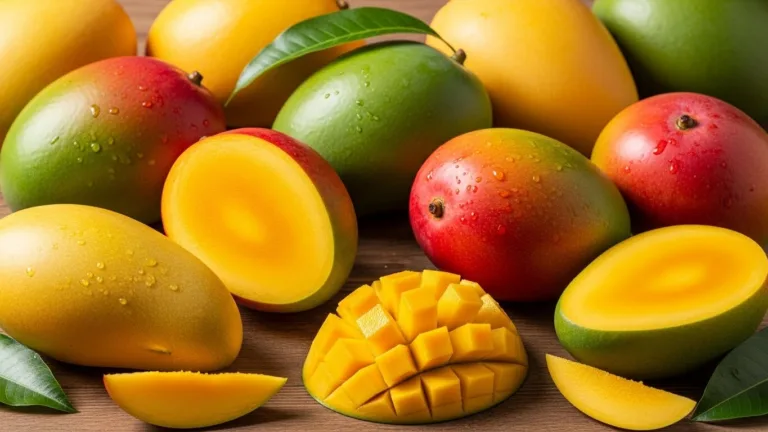
Close your eyes and imagine biting into the juiciest, sweetest, most flavorful mango you’ve ever tasted. The golden flesh drips down your chin, the tropical aroma fills your nose, and the taste is so incredible that you understand why people call mangoes “the king of fruits.” Now, have you ever wondered where these spectacular mangoes actually come from? Is there a magical place on Earth where mangoes grow so perfectly that they’re basically legendary?
The answer is yes! While mangoes grow in many warm places around the world, there’s one region that stands out above all others when it comes to producing the most delicious, diverse, and world-renowned mangoes. We’re talking about Multan, Pakistan, a city that’s been famous for its exceptional mangoes for literally hundreds of years. This ancient city isn’t just good at growing mangoes, it’s basically the mango capital of the world!
In this article, we’re going to explore why Multan has earned its reputation as the ultimate mango paradise, what makes its mangoes so special, and how this region continues to produce some of the finest fruit on the planet. Get ready to learn about geography, agriculture, and delicious fruit all at the same time!
Why Is Multan Called the “City of Mangoes”?
Multan is a historic city located in the Punjab province of Pakistan, and when people there talk about their city, mangoes are always part of the conversation. But why did this particular place become so famous for this particular fruit? The answer has everything to do with perfect conditions coming together like pieces of a puzzle.
First, let’s talk about climate. Mangoes are tropical fruits that absolutely love heat and sunshine, and Multan delivers both in abundance! The city experiences long, hot summers with temperatures that can reach over 100°F (that’s about 40°C for those using Celsius). While that might sound uncomfortable for us humans, mango trees think it’s paradise. The intense sunshine helps the fruit develop its signature sweetness, kind of like how solar panels absorb sunlight to make energy, except mango trees are making sugar!
Second, the soil in Multan is incredibly fertile thanks to the nearby Chenab River. Over thousands of years, the river has deposited nutrient-rich sediment across the region, creating soil that’s perfect for growing fruit. Think of it like the difference between trying to grow a plant in sandy beach soil versus rich garden soil, one is just going to work way better. Multan’s soil gives mango trees all the nutrients they need to produce amazing fruit.
Finally, there’s the human element. People in Multan have been growing mangoes for generations, passing down knowledge, techniques, and even special mango varieties from parents to children. This accumulated wisdom means that Multan’s farmers know exactly how to care for their trees, when to water them, how to protect them from pests, and when to harvest the fruit at peak ripeness. It’s agricultural expertise that you just can’t learn from a book!
The Legendary Mango Varieties of Multan
Here’s where things get really interesting. Multan isn’t just famous for growing mangoes in general, it’s famous for producing specific varieties that are considered among the finest in the world. These mangoes have names, reputations, and devoted fans who wait all year just to taste them!
Sindhri is probably the most famous mango variety from Multan. This mango is long and oval-shaped with beautiful golden-yellow skin when ripe. When you cut into a Sindhri, the flesh is incredibly smooth and almost honey-like in texture. The flavor? Imagine the sweetest, most aromatic mango flavor concentrated into one fruit. Sindhri mangoes are so beloved that they’re often given as special gifts and can command premium prices in markets!
Chaunsa is another superstar variety, though it’s more associated with the broader Punjab region. However, Multan grows exceptional Chaunsa mangoes too! These fruits are aromatic, intensely sweet, and have this amazing buttery texture that melts in your mouth. People literally plan their summers around Chaunsa season, and if you ask mango enthusiasts to name their favorite variety, Chaunsa is almost always in the top three.
Anwar Ratol might have a funny name, but there’s nothing funny about how delicious it is! This variety is smaller than Sindhri or Chaunsa but packs an incredible punch of flavor. It’s super sweet, very aromatic, and has a unique taste that’s hard to describe, you just have to try it to understand. Think of it as the concentrated flavor bomb of the mango world!
What makes these varieties so special? It’s not just one thing, it’s the combination of genetics (the mango tree’s natural characteristics), environment (Multan’s perfect growing conditions), and care (the expertise of local farmers). Farms like those working with Multanfarms.com continue this tradition of excellence, ensuring that these legendary varieties are grown with the same care and quality that made Multan famous in the first place.
How Multan’s Mangoes Go From Tree to Table
Ever wonder about the journey your food takes before it reaches you? With Multan’s mangoes, it’s actually a pretty fascinating process that requires perfect timing, careful handling, and a lot of expertise.
The mango season in Multan typically runs from May through September, with different varieties ripening at different times. Farmers watch their trees carefully, looking for signs that the fruit is ready. But here’s the tricky part: mangoes don’t ripen all at once! Even on the same tree, different fruits reach perfection at different times. This means farmers have to check their orchards regularly and harvest selectively, picking only the mangoes that are at the perfect stage.
Harvesting mangoes is actually more complicated than just picking them off the tree. If you’ve ever bruised an apple by dropping it, you’ll understand that fruit is delicate. Mangoes are even more sensitive! They’re typically harvested using long poles with special cutting tools or baskets attached to the end. Workers carefully cut the stem and lower the fruit gently to avoid any damage. A bruised mango might not look bad on the outside right away, but it’ll spoil faster and won’t taste as good.
After harvest, the mangoes go through sorting and grading. The biggest, most perfect-looking fruits get classified as premium grade, while smaller or slightly blemished mangoes might be sold at lower prices or used for making products like mango juice or pulp. Quality suppliers like Multanfarms.com take extra care during this process to ensure only the best fruit makes it to customers.
Finally comes the challenge of getting these delicious mangoes to people near and far. Locally, mangoes flood the markets during peak season, and you’ll find vendors selling them from carts, trucks, and stalls everywhere. For export, mangoes need special treatment, they’re often packed in protective materials, kept at controlled temperatures, and shipped quickly to preserve their quality. It’s a race against time because mangoes are at their best when they’re fresh!
Why Multan’s Mango Fame Matters Today
You might be thinking, “Okay, Multan grows great mangoes, but why should I care?” Well, this story is about way more than just fruit, it’s about culture, economy, and tradition all wrapped up together.
For the people of Multan and the surrounding areas, mangoes aren’t just a crop, they’re a source of pride and livelihood. Thousands of families depend on mango farming for their income. During harvest season, the orchards buzz with activity as people work together to pick, sort, and sell the fruit. It’s kind of like how some towns in America are known for specific things (like Hershey, Pennsylvania for chocolate), and that identity becomes part of what makes the community special.
Economically, Multan’s mangoes are a big deal for Pakistan’s agriculture sector. The country exports tons of mangoes every year to countries around the world, and Multan’s varieties are always in high demand. This brings money into the region, creates jobs, and helps local communities thrive. It’s a perfect example of how agricultural excellence can drive economic growth!
There’s also a cultural aspect that’s really important. Mango season is a celebration in Pakistan! Families gather to enjoy fresh mangoes together, special dishes are made using mangoes, and there’s this shared excitement when the first really good mangoes of the season appear in markets. It’s similar to how people in other places might get excited about pumpkin season in fall or strawberry season in spring, except with mangoes, the excitement is on a whole different level!
Plus, preserving traditional farming practices and heirloom mango varieties matters for biodiversity and food security. In a world where a lot of agriculture is becoming standardized and industrial, places like Multan show us that traditional methods and local varieties still have incredible value. They’re keeping genetic diversity alive and maintaining agricultural knowledge that’s been developed over centuries.
Other Mango-Famous Places Around the World
While Multan definitely deserves its crown as a mango capital, it’s worth mentioning that other places have also built impressive reputations for their mangoes. Understanding these different mango regions helps us appreciate the global love for this fruit!
Alphonso mangoes from Ratnagiri, India are often called the best mangoes in the world by their fans. These mangoes are known for their saffron-colored flesh, rich flavor, and incredible aroma. They’re so prized that they’re sometimes called the “king of mangoes.” The rivalry between Alphonso fans and fans of Pakistan’s varieties like Sindhri is friendly but passionate!
Ataulfo mangoes from Mexico (sometimes called honey mangoes or champagne mangoes) are smaller, kidney-shaped fruits that are super sweet and have almost no fibers. If you’ve bought mangoes at a grocery store in North America, you’ve probably seen these yellow beauties. They’re perfect for people who don’t like dealing with stringy mango flesh.
Kensington Pride from Australia is the most popular commercial variety down under. Australians are just as passionate about their mangoes as Pakistanis are, and Kensington Pride has a loyal following for its balance of sweetness and tanginess.
What’s cool is that each region’s mangoes reflect their local climate, soil, and farming traditions. It’s like how wine tastes different depending on where the grapes are grown, except with mangoes!
The Sweet Taste of Agricultural Excellence
So what have we discovered about places famous for mangoes? Multan stands out as a true mango paradise, a place where perfect natural conditions meet generations of expertise to create some of the world’s most exceptional fruit. From the legendary Sindhri to the beloved Chaunsa, Multan’s mangoes represent the pinnacle of what this tropical fruit can be.
But beyond just being delicious, Multan’s mango fame teaches us something important about agriculture, tradition, and quality. It shows us that when people take pride in what they grow, develop deep knowledge over generations, and work with ideal natural conditions, the results can be truly spectacular. Companies like Multanfarms.com help carry this tradition forward, connecting the expertise of Multan’s farmers with people who appreciate exceptional quality.
Next time you bite into a really amazing mango, think about its journey. Think about the farmer who knew exactly when to pick it, the soil that nourished the tree, the sunshine that made it sweet, and the generations of knowledge that went into growing it. That’s the story of Multan’s mangoes, and it’s a delicious story worth knowing!
So here’s a question for you: when mango season rolls around, will you seek out one of these legendary varieties and taste the difference that a truly special place can make?