Picture this: you’re sitting down for dinner, and there’s a delicious fish curry on your plate. Have you ever stopped to think about where that fish came from? Maybe it was caught in the Arabian Sea by fishermen on boats, or perhaps it was raised on a special farm, just like vegetables in a garden. In Pakistan, both fishing and fish farming have been going through some pretty incredible changes in recent years, and these changes are affecting everything from what we eat to how people make money.
Pakistan has a super long coastline along the Arabian Sea, spanning about 1,050 kilometers. That’s like driving from Multan to Karachi and then some! The country also has tons of rivers, lakes, and canals. With all this water, you’d think fishing would be booming everywhere, right? Well, it’s a bit more complicated than that. Let’s dive into what’s been happening with fishing and fish farming in Pakistan lately and why it matters to all of us.
The Current State of Fishing in Pakistan’s Waters
Pakistan’s fishing industry is like a sleeping giant that’s just starting to wake up. The country has massive potential when it comes to catching fish from the sea, but there are some challenges holding it back. In recent years, fishermen have been catching around 600,000 to 700,000 tons of fish annually from the ocean. That might sound like a lot, but experts say Pakistan’s waters could actually produce way more than that.
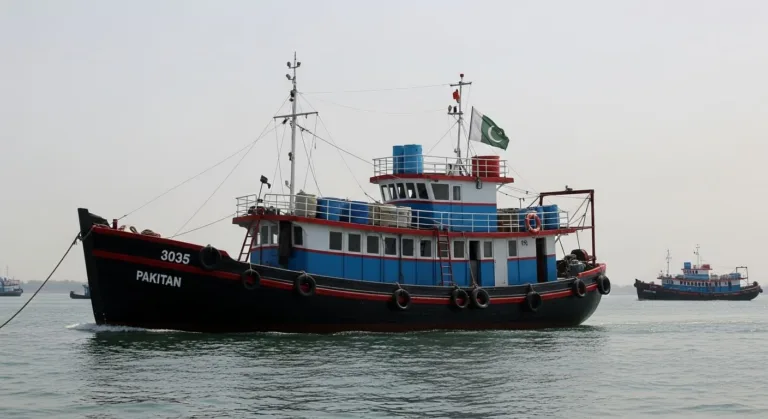
Here’s the thing: many Pakistani fishermen still use old-fashioned methods and equipment. Imagine trying to compete in a video game tournament with a controller from twenty years ago while everyone else has the latest gear. That’s kind of what’s happening. The boats are often small and can’t go very far into the sea where the biggest catches are. Plus, there aren’t enough cold storage facilities to keep fish fresh, so a lot of the catch goes to waste. It’s like catching a bunch of fish but not having a good enough refrigerator to store them all.
However, recent years have brought some positive changes. The government has started paying more attention to the fishing sector, and some fishermen are getting access to better boats and equipment. New fishing harbors are being built and old ones are being upgraded. Think of it like your school getting a renovation – everything works better when the facilities are improved!
Why Fish Farming Is Becoming a Big Deal
Now, here’s where things get really interesting. Fish farming, which scientists call “aquaculture,” has been growing super fast in Pakistan over the past few years. Fish farming is exactly what it sounds like: instead of catching fish from rivers or the ocean, people raise them in special ponds or tanks, kind of like how farmers raise chickens or cows.
Why is fish farming becoming so popular? Well, there are a few really good reasons. First, Pakistan’s population is growing rapidly. We’ve got over 240 million people in the country now, and everyone needs to eat! Wild fish catches from the ocean aren’t growing fast enough to feed everyone, but fish farms can produce a steady, predictable supply of fish. It’s like the difference between hoping to find wild berries in the forest versus growing them in your own backyard garden.
Second, fish farming can actually make more money for farmers than traditional crops in some cases. Farmers in Punjab, Sindh, and Khyber Pakhtunkhwa have been converting their land into fish ponds, especially for raising species like tilapia, carp, and catfish. These fish grow quickly and don’t need a ton of fancy equipment to raise. A farmer who might have struggled to make ends meet growing wheat could potentially earn more by raising fish.
The Technology Revolution in Fish Farming
Recent years have seen some cool technology making its way into Pakistan’s fish farming industry. Farmers are starting to use better water management systems, improved fish feed, and even learning about fish health and disease prevention. It’s kind of like how your parents might use apps to track their health – fish farmers are now using similar ideas to keep their fish healthy and growing.
Some fish farms are experimenting with something called “biofloc technology.” Don’t worry about the fancy name – it’s basically a smart way of keeping water clean and healthy for fish while also creating natural food for them right in the pond. Imagine if your room could clean itself and also produce snacks. That’s sort of what this technology does for fish!
Mobile phones and the internet have also changed the game. Farmers can now watch YouTube videos to learn new techniques, join WhatsApp groups to share advice with other fish farmers, and even use apps to find the best prices for their fish. Information that used to take years to learn is now available at their fingertips. Technology is making it easier for more people to get into fish farming, even if they don’t come from fishing families.
Challenges That Still Need Solving
But it’s not all smooth sailing (or should we say smooth swimming?). Fish farming and fishing in Pakistan still face some serious challenges. One of the biggest problems is the lack of quality fish feed. Fish need proper nutrition to grow healthy and strong, just like you need a balanced diet. Right now, a lot of fish feed has to be imported from other countries, which makes it expensive. Some farmers end up using cheap, low-quality feed, and their fish don’t grow as well.
Water quality is another huge issue. Fish are super sensitive to dirty or polluted water. In some areas of Pakistan, rivers and canals are polluted with waste from factories and cities. Would you want to swim in dirty water? Neither do fish! When fish farms are set up in areas with poor water quality, the fish can get sick or grow slowly.
Climate change is also causing headaches for both traditional fishermen and fish farmers. Rising temperatures, unpredictable rainfall, and changing ocean currents are affecting where fish live and how they behave. It’s like the fish are playing a different game, and the fishermen have to learn new rules.
The Economic Impact on Communities
Here’s something really important to understand: fishing and fish farming aren’t just about getting food on our plates. They’re about people’s livelihoods and entire communities’ futures. Along Pakistan’s coast, especially in areas around Karachi, millions of people depend on fishing for their income. When fishing is doing well, these communities thrive. When it struggles, families struggle.
In recent years, we’ve seen more women getting involved in fish farming, which is pretty awesome. In many rural areas, women are managing small fish ponds near their homes, earning money while also taking care of their families. This is changing traditional gender roles and giving women more financial independence. It’s proof that fish farming can empower people in unexpected ways.
Young people are also starting to see fish farming as a real career option. Instead of moving to big cities to look for jobs, some are staying in their villages and becoming fish farmers. With the right training and support, they’re building successful businesses. Imagine creating your own job instead of just looking for one – that’s what fish farming is allowing some young Pakistanis to do.
Looking Toward the Future
So, what does the future hold for fishing and fish farming in Pakistan? The potential is absolutely huge. Pakistan could become a major player in the global seafood market if the right investments are made. The government has announced plans to develop “blue economy” initiatives, which basically means using ocean and water resources smartly and sustainably.
There’s also growing interest in exporting fish to other countries. Pakistani fish and seafood could end up on dinner tables in the Middle East, China, or even Europe. That would bring in foreign money and create tons of new jobs. It’s like turning our water resources into gold, but in a sustainable way that doesn’t harm the environment.
Research institutions and universities are also getting more involved, studying how to make fishing and fish farming better and more environmentally friendly. They’re developing new breeds of fish that grow faster, testing better farming methods, and figuring out how to protect wild fish populations while still meeting people’s needs.
Your Connection to This Story
You might be wondering, “Why should I care about all this?” Well, think about it this way: the fish on your plate, the jobs your neighbors have, and even the health of our environment are all connected to how we manage our water resources. The changes happening in Pakistan’s fishing and fish farming sectors right now will affect what kinds of fish are available in markets, how much they cost, and whether fishing communities can thrive.
The story of fishing and fish farming in Pakistan is really a story about innovation, challenge, and opportunity. It’s about people finding new ways to feed a growing population, protect the environment, and build better lives for themselves. From traditional fishermen braving the Arabian Sea to tech-savvy fish farmers using smartphones to manage their ponds, this industry is evolving right before our eyes.
Next time you see fish in the market or on your dinner plate, take a moment to think about the journey it took to get there. Was it caught by a fisherman battling ocean waves, or was it raised carefully in a pond by a farmer checking water quality on their phone? Either way, it’s part of Pakistan’s changing story, and we’re all part of that story together. What role do you think you could play in making Pakistan’s fishing and fish farming industry even better?