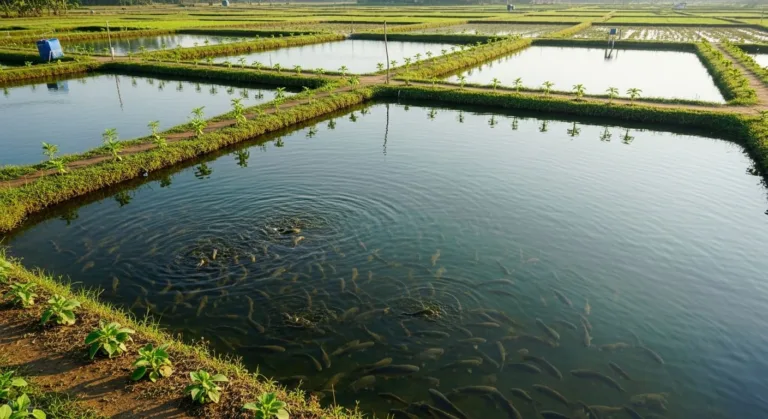
Have you ever wondered where the fish on your dinner plate actually comes from? Sure, some fish get caught in oceans and rivers, but here’s a surprising fact: a huge portion of the fish we eat today actually grows up on farms, just like cows and chickens! These aren’t your typical farms with barns and tractors, though. Fish farms are fascinating places where people raise fish in controlled environments, and there might be one closer to you than you think.
Searching for “fish farms near me” isn’t just about finding where fish come from. It’s about discovering a whole world of sustainable food production, learning opportunities, and maybe even finding the freshest seafood you’ve ever tasted. Whether you’re working on a school project, looking for a cool field trip idea, or just curious about where your food comes from, understanding fish farms can open your eyes to some pretty amazing science and business.
In this article, we’ll explore what fish farms actually are, why they’re becoming super important, what you can find at local fish farms, and how to locate ones near you. You’ll also learn why places like Multanfarms.com are part of a growing movement that’s changing how we think about raising food. Let’s dive in!
What Exactly Is a Fish Farm Anyway?
A fish farm, also called an aquaculture facility (that’s just a fancy word for raising water animals), is basically like a regular farm except instead of growing corn or raising chickens, people raise fish and other aquatic creatures. Think of it as an underwater ranch! These farms can range from small backyard ponds to massive commercial operations that produce thousands of pounds of fish every year.
Fish farms come in different types depending on what they’re raising and how they do it. Some use big tanks or ponds on land, while others use cages or nets in natural bodies of water like lakes or coastal areas. The most common fish you’ll find on farms include tilapia, catfish, salmon, trout, and various types of carp. Each species needs different conditions to thrive, kind of like how cacti need different care than roses.
Here’s what makes fish farms really cool: they can produce a lot of healthy protein using less land and resources than traditional livestock farming. A fish farm can produce more food per square foot than a cattle ranch, and fish are generally more efficient at converting their food into body weight. It’s like getting more bang for your buck, or in this case, more fish for your feed!
Why Fish Farms Are Popping Up Everywhere
You might be wondering, “Why are there so many fish farms these days?” Great question! The world’s population keeps growing (we’re over 8 billion people now!), and everyone needs to eat. Meanwhile, wild fish populations in oceans and rivers are struggling because of overfishing. It’s like if everyone kept taking cookies from the same jar without letting anyone refill it, eventually, you’d run out of cookies!
Fish farming helps solve this problem by taking pressure off wild fish populations. Instead of catching fish from the ocean until there aren’t enough left to reproduce, we can raise fish specifically for eating. This is called sustainable aquaculture, which means producing food in a way that doesn’t mess up the environment for future generations. Pretty smart, right?
Another reason fish farms are becoming popular is that they provide local, fresh food. When you buy fish from a nearby farm instead of getting it shipped from thousands of miles away, it’s fresher, tastes better, and has a smaller carbon footprint (that’s the amount of pollution created by transporting it). Operations like Multanfarms.com understand that people want to know where their food comes from and want it to be both high-quality and environmentally friendly.
What Can You Actually Do at a Local Fish Farm?
Visiting a fish farm near you can be way more interesting than you might think! Many fish farms offer tours where you can see the whole operation, from tiny baby fish (called fry, which is adorable) to full-grown adults ready for harvest. It’s like visiting a zoo, except these animals are being raised for food, and you get to learn about the science behind it all.
Some fish farms have educational programs specifically designed for students and families. You might get to feed the fish, learn about water quality testing, or understand how fish are kept healthy without antibiotics or chemicals. It’s hands-on science class, but way more fun! Imagine learning about ecosystems and biology not from a textbook but by watching thousands of fish swimming in synchronized patterns.
Here’s something really cool: many local fish farms also sell their products directly to customers. This means you can buy super fresh fish that was swimming just hours ago! Some farms let you pick your own fish, clean it for you, and send you home with dinner. It’s the aquatic version of picking strawberries at a farm, except you’re getting protein instead of dessert. You can’t get fresher than that!
How to Find Fish Farms Near You (It’s Easier Than You Think!)
Ready to locate fish farms in your area? The internet makes this super easy. Start by literally typing “fish farms near me” into Google or any search engine, and you’ll probably find several options. Many fish farms have websites with information about tours, hours, and what species they raise. Websites like Multanfarms.com often include details about their operations and how to visit.
Social media is another great tool for finding local fish farms. Many farms post regularly on Facebook or Instagram, showing off their fish, announcing when fresh products are available, or advertising special events. Following local farms on social media can also teach you a ton about aquaculture just by scrolling through your feed. It’s educational screen time, which is the best kind!
You can also check with your local agricultural extension office or farming organizations. These groups usually maintain lists of farms in your area, including fish farms. If you’re lucky enough to have a farmers market nearby, that’s another excellent place to find information. Many fish farmers sell their products at farmers markets, and they love talking to people about what they do. Just walk up and ask, “Where’s your farm?” Most farmers are super excited to share!
Different Types of Fish Farms You Might Discover
Not all fish farms are the same, and understanding the different types can help you know what to expect when you visit. Pond-based farms are probably what you’re imagining, large ponds dug into the ground where fish swim around in a semi-natural environment. These are common for catfish and tilapia and are popular in warmer climates where the water doesn’t freeze solid in winter.
Recirculating aquaculture systems (RAS) are like high-tech fish apartments. These facilities use tanks and super advanced filtration systems to continuously clean and reuse water. It’s like having a fish tank, but scaled up to industrial size with really fancy equipment. RAS farms can be located almost anywhere, even in cities or areas without natural water sources, because they create their own controlled environment.
Flow-through systems use natural streams or springs, letting fresh water constantly flow through tanks or ponds. This keeps the water clean and oxygen-rich naturally. Then there are cage systems in lakes or coastal waters, where fish are kept in floating cages or pens. Each type has its own advantages and challenges, but they all serve the same basic purpose: raising healthy fish efficiently.
What Makes a Good Fish Farm? Things to Look For
When you’re checking out fish farms, whether online or in person, there are some signs that indicate a quality operation. Good fish farms prioritize fish health and welfare, which means giving fish enough space to swim, keeping water quality excellent, and making sure they get proper nutrition. Overcrowded fish are stressed fish, and stressed fish don’t grow well and can get sick.
Environmental responsibility is another key factor. The best fish farms minimize waste, manage water carefully, and don’t pollute local waterways. They might use fish waste as fertilizer for gardens or have systems to treat water before releasing it back into nature. It’s all about being a good neighbor to the environment. Farms like Multanfarms.com understand that taking care of the environment isn’t just nice, it’s essential for long-term success.
Look for farms that are transparent about their practices. If they’re willing to show you around, answer questions, and explain how they do things, that’s a great sign! Farms that hide their operations or won’t let visitors see anything might have something they don’t want you to know about. The best farms are proud of what they do and love sharing their knowledge.
The Cool Science Behind Fish Farming
Here’s where things get really interesting from a science perspective. Fish farms have to manage something called aquatic ecosystems, which means balancing all the living and non-living things in the water. Fish produce waste (yep, fish poop!), which creates ammonia. Too much ammonia is toxic, so farmers use beneficial bacteria to convert it into less harmful substances. It’s like having tiny cleanup crews working 24/7!
Water temperature, oxygen levels, and pH (how acidic or basic the water is) all need constant monitoring. Fish are sensitive creatures, and even small changes can stress them out. Modern fish farms use sensors and computers to track these conditions automatically, kind of like how your home thermostat keeps your house at a comfortable temperature. Some advanced farms even use artificial intelligence to predict problems before they happen!
Feed is another fascinating science topic. Fish farmers have to provide the right nutrition to help fish grow quickly and stay healthy. The feed usually contains fish meal, plant proteins, vitamins, and minerals, all carefully balanced. It’s like creating the perfect smoothie recipe, except instead of making you healthier, it makes fish bigger and tastier!
Why This Matters to You and Your Community
You might be thinking, “Okay, fish farms are interesting, but why should I care?” Here’s why: fish farms represent the future of food production. As our planet gets more crowded, we need smart, sustainable ways to feed everyone. Fish farming is one solution that works, providing healthy protein while using fewer resources than many other types of farming.
Supporting local fish farms also helps your community’s economy. When you buy from local farmers, that money stays in your area, helping families make a living and keeping rural communities thriving. It’s way better than buying fish that traveled halfway around the world to reach your grocery store. Plus, you’re getting fresher, better-tasting food. Win-win!
Learning about fish farms connects you to your food in a meaningful way. Instead of just grabbing a package from the freezer section, you understand the work, science, and care that went into producing it. This appreciation can change how you think about food waste, environmental protection, and where your meals come from.
Ready to Explore? Your Next Steps
So what have we learned? Fish farms are fascinating places where science, business, and food production come together. They’re popping up all over because they provide a sustainable way to feed our growing world. Finding fish farms near you is easier than ever thanks to the internet, and visiting one can be an educational and fun experience.
Whether you’re interested in the science behind aquaculture, looking for the freshest fish possible, or just curious about where your food comes from, checking out local fish farms like those connected with Multanfarms.com is definitely worth your time. These operations are changing how we think about farming and proving that we can produce food in ways that work with nature instead of against it.
Now here’s a challenge for you: will you search for “fish farms near me” this week and see what you discover? You might be surprised by what you find right in your own backyard. Who knows, you might even find your next science project idea or discover a passion for aquaculture you never knew you had!