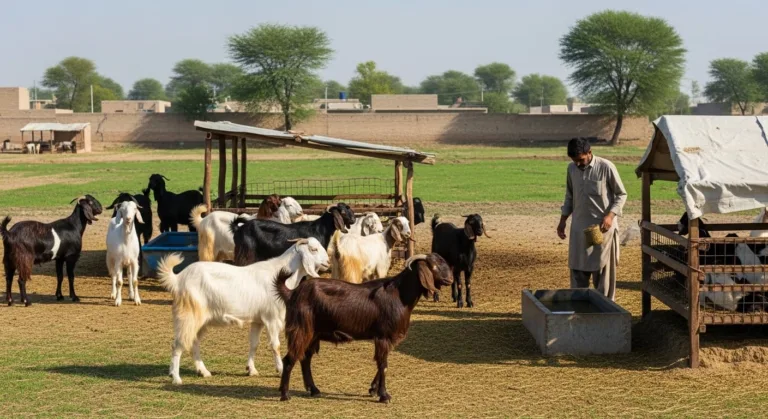
Have you ever driven through the countryside in Pakistan and noticed groups of goats grazing peacefully in fields? Those goats aren’t just wandering around randomly. They’re actually part of a growing business that’s helping families across Pakistan earn money and provide food for their communities. Goat farming in Pakistan has become one of the most exciting agricultural opportunities in the country, and it’s not hard to see why.
From the busy streets of Multan to the peaceful villages in Punjab, more and more people are discovering that raising goats can be a smart way to make a living. Whether you’re interested in agriculture, curious about where your food comes from, or just wondering what makes goats so special, you’re about to learn some pretty fascinating stuff. We’ll explore why goat farming works so well in Pakistan, what it takes to start a goat farm, and why these animals might be more important to our country’s future than you ever imagined.
What Makes Pakistan Perfect for Goat Farming?
Pakistan’s climate and geography create ideal conditions for raising goats. Think of it like this: if goats were students looking for the perfect school, Pakistan would be at the top of their list! Our country has diverse landscapes, from plains to mountains, and goats can adapt to almost all of them.
The temperature in most parts of Pakistan stays warm enough for goats to thrive year-round. Unlike some farm animals that need expensive heating systems or special shelters, goats are tough and can handle different weather conditions. In areas like Multan and throughout Punjab, the climate provides just the right balance of warmth and seasonal variation that goats love.
Another big advantage is the availability of natural vegetation. Goats aren’t picky eaters (you might say they’re the opposite of picky!). They can munch on shrubs, leaves, and grass that other animals won’t touch. This means farmers don’t always need to buy expensive feed, which keeps costs down and makes goat farming more profitable.
What Are the Different Types of Goats Raised in Pakistan?
If you thought all goats were the same, prepare to be surprised! Pakistan is home to several unique goat breeds, each with its own special characteristics. It’s kind of like how different dog breeds have different traits, some goats are better for certain purposes than others.
The Beetal goat is one of the most popular breeds in Punjab, especially around Multan. These goats are like the athletes of the goat world because they’re large, strong, and produce lots of milk. A single Beetal goat can give you enough milk to make yogurt, cheese, and other dairy products that families use every day.
Then there’s the Teddy goat, which has become super popular because of its compact size and adorable appearance. Don’t let their small size fool you though. Teddy goats are excellent for meat production and require less space, making them perfect for farmers who don’t have huge properties.
The Kamori goat is another prized breed, known for its beautiful dark coat and excellent milk production. These goats are mainly found in Sindh but are becoming more common across Pakistan. Finally, the Dera Din Panah breed is famous for being hardy and adaptable, surviving well even in tough conditions.
How Do You Actually Start a Goat Farm?
Starting a goat farm isn’t as complicated as you might think, but it does require planning and dedication. First, you need to decide what your goal is. Are you raising goats for milk, meat, or both? This decision will affect which breed you choose and how you set up your farm.
Space is important, but you don’t need acres and acres of land. Even a small backyard can work for a few goats, though obviously, a larger space gives you room to expand. You’ll need to build a simple shelter to protect your goats from extreme weather and predators. Think of it as building a cozy bedroom for your goats, it doesn’t need to be fancy, just safe and comfortable.
Feeding your goats is relatively easy and affordable. They can graze on natural vegetation, but you’ll also want to supplement their diet with things like wheat straw, green fodder, and mineral mixtures to keep them healthy. Clean water is absolutely essential, goats need fresh water available at all times, just like we do!
Health care is another crucial part. You’ll need to learn about common goat diseases and how to prevent them through vaccinations. Building a relationship with a veterinarian who knows about livestock is really smart. Regular check-ups can prevent small problems from becoming big ones.
What Are the Economic Benefits of Goat Farming?
Here’s where things get really interesting. Goat farming can be incredibly profitable, and it doesn’t require the huge investment that some other types of farming need. Let’s break down the money side of things.
Goat milk is in high demand across Pakistan. Many people prefer goat milk to cow milk because it’s easier to digest and has different nutritional benefits. Farmers who focus on dairy goats can sell fresh milk daily, creating a steady stream of income. It’s like having a regular paycheck, but from your goats!
Meat production is even more profitable. Goat meat, called mutton in Pakistan, is consumed regularly, especially during festivals like Eid. The demand shoots up during these times, and prices can increase significantly. Smart farmers plan their breeding schedules so they have goats ready to sell when prices are highest.
But wait, there’s more! (Yes, that sounds like a TV commercial, but it’s true.) Goat manure is excellent fertilizer that farmers can use on their crops or sell to others. Even goat skin has value and can be sold to leather industries. It’s amazing how almost every part of goat farming can generate income.
Starting costs are relatively low compared to other livestock. You can begin with just a few goats and gradually build your herd as they reproduce. Female goats typically give birth to two kids at a time, which means your herd can grow quickly without you having to buy more animals.
What Challenges Do Goat Farmers Face?
Now, before you think goat farming is all sunshine and rainbows, let’s talk about some challenges. Every business has obstacles, and goat farming is no exception.
Disease can be a serious issue. Goats are generally tough animals, but they can get sick if not properly cared for. Parasites, respiratory infections, and digestive problems are common. The good news? Most of these can be prevented with proper management and regular veterinary care. It’s like how you stay healthier when you eat right, exercise, and see your doctor for check-ups.
Predators can also be a problem, especially in rural areas. Wild dogs, wolves, and even large birds can threaten young goats. Farmers need to invest in proper fencing and sometimes use guard dogs to protect their herds. Think of it as home security, but for goats!
Market fluctuations can affect prices. Sometimes the price of goat meat or milk drops, which can hurt profits. Successful farmers learn to plan for these ups and downs by saving money during good times to help them through tougher periods.
Finding quality breeding stock can be challenging for new farmers. Not all goats are created equal, and buying poor-quality animals can set you back. This is why it’s important to buy from reputable sellers and learn how to identify healthy, productive goats.
How Is Technology Changing Goat Farming in Pakistan?
You might be surprised to learn that modern technology is making its way into goat farming! Pakistani farmers are getting smarter about using new tools and techniques to improve their farms.
Social media and online platforms have become powerful tools for goat farmers. Many farmers now showcase their goats on Facebook, Instagram, and YouTube, reaching customers across the entire country. Someone in Karachi can see goats for sale in Multan and arrange to buy them, all through their smartphone!
Better breeding techniques are being adopted. Farmers are learning about selective breeding to improve their herds. By choosing the best males and females to breed, they can produce healthier, more productive goats over time. It’s similar to how plant breeders develop better crop varieties.
Improved veterinary care is more accessible than ever. Mobile apps now connect farmers with veterinarians who can provide advice remotely. Some progressive farmers even use simple technology to track their goats’ health records, breeding dates, and milk production.
Training programs and workshops have become more common. Organizations and agricultural departments offer courses teaching modern goat farming techniques. Websites like Multanfarms.com provide valuable information and resources that help both new and experienced farmers improve their operations.
Why Does Goat Farming Matter for Pakistan’s Future?
Goat farming isn’t just about individual farmers making money, it plays a bigger role in Pakistan’s overall development. Let’s zoom out and look at the bigger picture.
Food security is a major concern for any country. With Pakistan’s growing population, we need reliable sources of protein and nutrition. Goats provide both meat and milk, contributing to our food supply. Because goat farming can be done on small plots of land, even families with limited resources can raise a few goats and improve their nutrition.
Rural development benefits tremendously from goat farming. In villages and small towns where job opportunities might be limited, goat farming provides a way for people to earn income without leaving their communities. This helps keep families together and strengthens rural economies.
Women’s empowerment is another important aspect. In many Pakistani communities, women are successfully managing small goat farms. Since goats don’t require as much physical strength to handle as larger animals like cattle, women can effectively care for them and earn independent income.
Environmental sustainability is worth mentioning too. Goats can graze on land that isn’t suitable for crops, and they help control unwanted vegetation. When managed properly, they can actually improve land quality rather than degrading it. Their manure enriches soil, creating a natural cycle that benefits both farmers and the environment.
Wrapping It All Up
So there you have it! Goat farming in Pakistan is much more than just raising animals in a field. It’s a practical, profitable, and increasingly popular way for people to earn a living while contributing to the country’s food security. From the special breeds developed in Punjab to the modern techniques being adopted by forward-thinking farmers, goat farming represents both tradition and innovation.
Whether you’re in Multan or any other part of Pakistan, you now know why those goats you see grazing aren’t just wandering around aimlessly. They’re part of an important agricultural sector that’s helping families thrive and communities grow stronger. The combination of Pakistan’s suitable climate, diverse goat breeds, relatively low startup costs, and growing market demand makes this an exciting field with lots of potential.
Who knows? Maybe one day you’ll find yourself considering starting your own goat farm. Would you prefer raising goats for milk, meat, or maybe both? The choice would be yours, and now you have a pretty good idea of what it takes to get started!