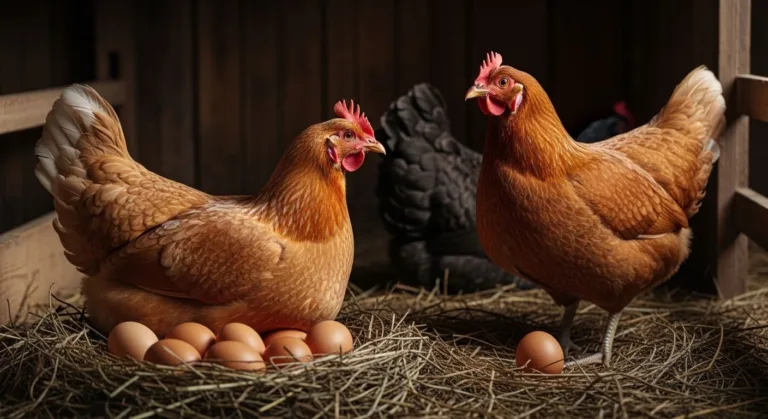
Have you ever wondered why your neighbor’s chickens seem to pop out eggs every single day, while others barely lay a few eggs each week? It’s not magic, and it’s not luck. The secret lies in something called “layer breeds,” and they’re basically the superstar egg producers of the chicken world. If you’ve ever cracked open a fresh egg for breakfast, there’s a good chance it came from one of these amazing birds. But what makes layer chickens so special, and how do farmers choose the right ones?
Let’s think about it this way: imagine if some people were naturally gifted at basketball, while others were better at running marathons. Chickens are kind of the same! Some breeds are built for laying tons of eggs, while others are better for meat or just looking pretty in your backyard. Layer chickens are such a special species of hens which need to be raised from when they are one day old, and they start laying eggs commercially from 18-19 weeks of age Tasteforlifeproducts. That’s less than five months old, which is pretty impressive when you think about it!
Understanding layer breeds isn’t just interesting, it’s actually super important if you care about where your food comes from. Whether you’re thinking about raising chickens yourself one day or just curious about how farms work, knowing about these incredible birds will give you a whole new appreciation for that omelet on your plate.
What Exactly Makes a Chicken a “Layer”?
So what’s the big difference between a regular chicken and a layer chicken? Well, it all comes down to genetics and breeding. Some chickens are bred to be prolific egg layers, while others are more ornamental birds meant to add a touch of whimsy to a flock, and good egg-laying breeds can be expected to lay around 250 eggs per year Tarla Dalal. That’s almost one egg every single day!
Think of it like dog breeds. A greyhound is built for speed, while a bulldog is stocky and strong. They’re both dogs, but they’ve been bred for different purposes. Layer chickens have been carefully selected over many generations to be egg-producing machines. Their bodies are designed to convert food into eggs efficiently, kind of like how a hybrid car converts gas into miles better than an old truck.
These special hens can produce about one kilogram of eggs by consuming about 2.25 kilograms of food during their egg-laying period Tasteforlifeproducts. That’s a pretty good trade-off! Their bodies are lighter and smaller than meat chickens, which means they don’t need as much food to stay healthy, but they put most of their energy into making those eggs.
The Superstars of the Egg World
Now let’s talk about the rock stars of the layer chicken world. There are two main categories you should know about: white egg layers and brown egg layers. White egg-laying hens are comparatively smaller in size and eat less food, with white-colored eggshells, while brown egg-laying hens are relatively larger in size, eat more food, and lay bigger eggs with brown-colored shells Tasteforlifeproducts.
Some of the most popular breeds include names you might recognize. The Leghorn is the breed used most commercially because of its laying proficiency and is considered the best layer, though their eggs are white Amazon. These birds are like the Olympic athletes of the chicken world! Then there’s the Rhode Island Red, which is super popular because they’re not only great egg layers but the males are big enough to eat as meat, making them dual-purpose Amazon.
The Isa Brown chicken is a popular commercial layer breed that can lay up to 300-350 large brown eggs annually Organic Gyaan. Imagine that, almost an egg every single day for an entire year! These chickens are basically non-stop egg factories, and they’re really good at what they do.
How Do These Chickens Become Super Layers?
You might be wondering: how do chickens become such amazing egg layers? It’s all about selective breeding, which is when farmers choose the best egg-laying hens and roosters to have babies together. Over time, their offspring get better and better at laying eggs. It’s kind of like how basketball players’ kids might have a better chance of being tall and athletic, except farmers are specifically choosing for egg-laying ability.
Hybrid breeds are chickens that have been crossed with several different breeds, usually with the intention of increasing specific traits like egg production, and several hybrid breeds are prolific egg-layers, averaging around 280 eggs per year Tarla Dalal. These hybrids are like the ultimate combination of the best traits from different breeds all rolled into one super chicken!
The cool part is that scientists and farmers keep track of everything. They measure how many eggs each hen lays, how big the eggs are, how much food the chickens eat, and even how healthy they stay. Then they use this information to breed even better layers. It’s like a science experiment that’s been going on for hundreds of years!
Taking Care of These Special Birds
Layer chickens might be superstars, but they need special care to keep producing all those eggs. You have to provide growing chicks special care until they reach 4-5 weeks of age, and after brooding, serve them good quality pellet feed to make them healthy and increase their body weight Tasteforlifeproducts. Think of it like feeding an athlete, they need the right nutrition to perform at their best.
These chickens also need proper housing to stay safe and comfortable. They need protection from predators like foxes and hawks, a warm and dry place to sleep, and special nesting boxes where they can lay their eggs. It’s kind of like how you need a comfortable bed and a safe home to do your best in school!
Layer chickens remain laying eggs continuously until their 72-78 weeks of age Tasteforlifeproducts, which means they’re producing eggs for about a year and a half. That’s a pretty impressive career for a chicken! After that, they might slow down or stop laying, but they’ve already done an amazing job.
Why Should You Care About Layer Chickens?
You might be thinking, “Okay, but why does any of this matter to me?” Well, here’s the thing: understanding where your food comes from is super important. Every time you eat an egg, whether it’s scrambled, fried, in a cake, or hard-boiled, you’re benefiting from the work of these incredible birds and the farmers who take care of them.
Plus, knowing about layer breeds helps you make smarter choices. If you ever want to raise chickens in your backyard (which lots of families do!), you’ll know which breeds to choose based on what you want. Want lots of eggs? Get some Leghorns or Isa Browns. Want chickens that are friendly and can also provide meat? Go for Rhode Island Reds. Want colorful eggs? Some breeds lay blue or green eggs!
Layer chickens are also pretty amazing from a science perspective. They show us how humans have worked with nature over thousands of years to create animals that help feed the world. It’s a real-world example of genetics, biology, and agriculture all working together.
The Future of Layer Chickens
As our world changes, so does chicken farming. More people are interested in where their food comes from and want to make sure animals are treated well. This means farmers are not just breeding chickens for egg production, but also for things like being able to live outside, staying healthy without lots of medicine, and being happy birds.
Scientists are also looking at ways to make chicken farming better for the environment. Since chickens eat food and produce waste, farmers want to make sure they’re doing it in a way that doesn’t harm our planet. Layer chickens that can produce more eggs while eating less food help make farming more sustainable.
Whether you see chickens on a farm near Multan or anywhere else in the world, remember that these aren’t just random birds pecking around. They’re the result of careful breeding, dedicated farmers, and thousands of years of agriculture. The next time you crack open an egg, take a second to appreciate the amazing layer chicken that made it possible. These birds are working hard every day to help feed families around the world, including yours! So, what’s your favorite way to eat eggs, and will you think differently about them now?