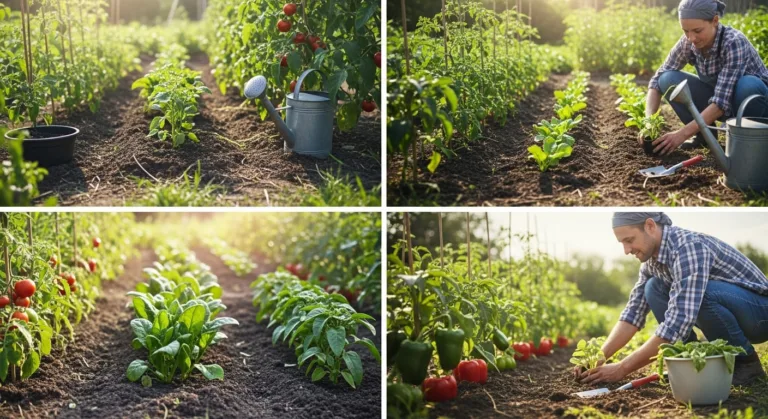
Have you ever tried biting into a fresh tomato in January and found it tasted like, well, nothing? Or wondered why watermelons flood the grocery stores in summer but practically disappear in winter? The answer is all about something called the growing season, and understanding it is like having a secret code that unlocks the mystery of when to plant and harvest different vegetables.
Here’s something cool: every vegetable has its own perfect time to grow, just like how you probably have a favorite time of year for certain activities. You wouldn’t go ice skating in July or swimming in December (unless you’re really brave!). Plants are the same way. They thrive when conditions are just right, and they struggle or even die when planted at the wrong time.
In this article, we’ll explore what growing seasons are, why they matter so much, and how you can use this knowledge to grow amazing vegetables whether you’re in Pakistan, the United States, or anywhere else. We’ll also discover why some vegetables love the heat while others prefer cooler weather. By the end, you’ll understand why timing is everything in the vegetable garden!
What Exactly Is a Growing Season?
A growing season is the period of time during the year when conditions are right for plants to grow. Think of it as a plant’s comfort zone. Just like you might feel uncomfortable in extreme heat or freezing cold, plants have temperature ranges where they feel happy and healthy.
The growing season is measured from the last frost in spring to the first frost in fall. Frost is when temperatures drop below 32°F (0°C) and ice crystals form on surfaces. Most vegetables can’t survive frost because the ice damages their cells, kind of like how ice crystals in your freezer can ruin food if it’s not stored properly. So farmers and gardeners need to know when their area’s frost-free period begins and ends.
Different parts of the world have drastically different growing seasons. In tropical areas near the equator, the growing season might last all year because it never freezes. In places like Canada or northern Europe, the growing season might be only four or five months long. In Pakistan, particularly in regions like Punjab where Multanfarms.com operates, the growing season varies by location but generally offers excellent conditions for many crops due to the warm climate.
Cool-Season Vegetables: The Winter Warriors
Some vegetables are like those people who love winter sports and cold weather. These are called cool-season crops, and they actually prefer temperatures between 40°F and 75°F (4°C to 24°C). They can handle a light frost and some even taste sweeter after being exposed to cold temperatures!
Here are some popular cool-season vegetables:
- Lettuce and spinach: These leafy greens bolt (go to seed) when it gets too hot, so they’re perfect for spring and fall planting
- Broccoli and cauliflower: They need cool weather to develop those tight, tasty heads
- Carrots and radishes: Root vegetables that can sit in cold soil without complaining
- Peas: They love cool weather and will stop producing when summer heat arrives
Think of cool-season vegetables as marathon runners. They prefer moderate temperatures and will wilt or give up if it gets too hot. In many areas, including parts of Pakistan, these vegetables are planted in late summer or early fall for a winter harvest, or in early spring before the intense heat arrives. It’s like catching them during their favorite weather window!
Warm-Season Vegetables: Heat Lovers Unite
Now let’s talk about the opposite group, the warm-season crops. These vegetables are like beachgoers who live for hot, sunny days. They need temperatures between 65°F and 95°F (18°C to 35°C) to really thrive, and they’ll die immediately if exposed to frost.
Popular warm-season vegetables include:
- Tomatoes: Probably the most popular garden vegetable, they absolutely love heat and sunshine
- Peppers and eggplants: These heat lovers come from tropical origins and need warmth to produce fruit
- Cucumbers and squash: Fast-growing plants that race through their life cycle in hot weather
- Okra: Especially popular in Pakistani cuisine, this vegetable thrives in intense heat that would stress other plants
Here’s a fun analogy: if cool-season crops are marathon runners, warm-season crops are sprinters. They need that intense energy from hot weather to grow quickly and produce their fruits. In Pakistan’s climate, particularly during the hot summers, warm-season vegetables absolutely dominate the growing scene. This is when farmers at places like Multanfarms.com see their tomato and pepper plants really take off!
Understanding Your Local Growing Season
So how do you figure out your area’s growing season? It’s actually easier than you might think! The key is knowing your frost dates, which is when your area typically experiences its last spring frost and first fall frost.
In Pakistan, most regions don’t experience heavy frosts, which is actually great news for farmers! Areas like Multan and southern Punjab have very long growing seasons, sometimes allowing for multiple crop cycles per year. The main concern isn’t frost but rather extreme heat in summer and the timing of monsoon rains.
You can find your frost dates by:
- Asking local farmers or gardening experts in your area
- Checking with agricultural extension offices
- Looking at climate data for your region
- Observing what experienced gardeners in your neighborhood are planting and when
Once you know your frost dates, you can work backward or forward to figure out when to plant. Most seed packets or plant labels will tell you things like “plant 2 weeks after last frost” or “plant 10 weeks before first frost.” It’s like following a recipe, but instead of cooking time, you’re counting weeks on the calendar!
Planning Your Planting Schedule: Timing Is Everything
Let’s get practical. Imagine you want to grow tomatoes, lettuce, and carrots. How would you time everything? This is where understanding growing seasons becomes super useful!
For tomatoes (warm-season), you’d wait until all danger of frost has passed and soil has warmed up. In Pakistan, this might be March or April in most regions. You’d plant them knowing they’ll need about 60-80 days to start producing fruit, and they’ll keep producing throughout the hot summer months.
For lettuce (cool-season), you have two options. Plant it in early spring before temperatures soar, or wait until late summer/early fall when things cool down again. In hot climates like Pakistan’s, fall planting often works better because spring heats up so quickly that lettuce barely has time to mature before bolting.
For carrots (cool-season), you might plant them in late summer so they’re growing during the cooler fall months. Carrots can actually stay in the ground through mild winters in many parts of Pakistan, getting sweeter as temperatures drop slightly.
This staggered planting strategy is called succession planting, and it’s how smart farmers ensure they have fresh vegetables throughout the year rather than everything ripening at once. It’s like having a conveyor belt of food instead of one big harvest party!
Special Considerations: Climate and Microclimates
Here’s where things get really interesting. Even within the same general area, different spots can have slightly different growing conditions. These small variations are called microclimates, and they can make or break your gardening success.
For example, a garden bed against a south-facing wall will be warmer than one in an open field because the wall absorbs heat during the day and radiates it back at night. A spot near a large tree might stay cooler and shadier, perfect for heat-sensitive lettuce in summer. In Pakistan, farmers often use shade cloths or temporary structures to create cooler microclimates during the intense summer months.
Water availability is another huge factor. In regions dependent on monsoon rains, the growing season is closely tied to when those rains arrive. Smart farmers plan their warm-season crops to benefit from monsoon moisture while scheduling cool-season crops for the drier, cooler months.
Modern farms like Multanfarms.com often use techniques like drip irrigation and shade management to extend growing seasons and create ideal conditions even when natural weather isn’t cooperating. It’s like giving plants their own personal climate control system!
Why This Matters for You
Understanding growing seasons isn’t just useful for farmers, it affects everyone! When you know which vegetables are in season, you can buy fresher, tastier, and often cheaper produce. Those amazing tomatoes at the market in July? They’re in their prime growing season, which is why they taste so much better than the ones shipped from far away in January.
If you’re interested in growing your own food, even just a few pots on a balcony or windowsill, knowing growing seasons helps you succeed. Plant things at the right time, and you’ll be amazed at how well they grow. Plant at the wrong time, and you’ll wonder why everything keeps dying despite your best efforts.
This knowledge also helps you appreciate the skill and planning that goes into farming. When you bite into a crisp cucumber or a juicy tomato, someone carefully timed the planting of that seed weeks or months earlier, understanding exactly when conditions would be perfect for growth. That’s pretty amazing when you think about it!
Growing with the Seasons
The relationship between vegetables and their growing seasons is one of nature’s most important partnerships. Whether it’s cool-season crops braving the cold or warm-season vegetables soaking up summer heat, every plant has its perfect moment to shine. Understanding these patterns helps us work with nature instead of against it.
Next time you’re at a farmers market or grocery store, take a moment to notice what’s in season. Ask yourself why watermelons appear in summer and why pumpkins dominate the fall. You’ll start seeing the natural rhythm of growing seasons all around you, and food will become even more interesting!
So here’s a challenge: what vegetables are in season right now where you live? Try to find out, and maybe even taste something fresh and local. You might be surprised at how much better it tastes when it’s grown at exactly the right time!