Picture this: you’re at the grocery store with your family, and you see two piles of tomatoes. One pile looks absolutely perfect, bright red and smelling amazing. The other? Kind of pale, hard as a baseball, and honestly looks like it gave up on life weeks ago. Here’s the thing, they might cost the same, but one was picked yesterday from a local farm, and the other traveled 2,000 miles in a refrigerated truck. Can you guess which one actually tastes like a tomato?
That’s the magic of seasonal vegetables! When you eat what’s growing right now, in today’s weather and soil conditions, you’re getting food at its absolute best. It’s like watching a movie in theaters versus on a scratched DVD, there’s just no comparison. But seasonal eating isn’t just about taste (though that’s a huge bonus). It’s about understanding what’s actually happening on farms right now and making smarter choices about your food.
Ready to discover why the vegetables growing today could totally change the way you think about your meals? Let’s dig in!
So What Exactly Makes a Vegetable “Seasonal”?
Think of vegetables like your favorite sports team. Sure, they can practice year-round, but they only perform at their best during game season when conditions are perfect. Vegetables work the same way! Each type has its perfect “game time” when the temperature, sunlight, and soil conditions are exactly what it needs to grow strong and develop incredible flavor.
Here’s where it gets cool: different vegetables are total opposites when it comes to their favorite weather. Lettuce and spinach are like that friend who loves winter, they actually grow better in cooler temperatures and will literally wilt if it gets too hot. Meanwhile, tomatoes and peppers are sun-seekers who need hot weather to get sweet and juicy. It’s why your salad greens taste amazing in spring, but summer tomatoes blow your mind!
When farmers plant vegetables at the right time and harvest them during their natural season, something awesome happens. The vegetables don’t have to fight against the weather. They’re not stressed out or struggling. They just grow naturally, soaking up nutrients from the soil and developing flavors that you simply can’t get any other way. It’s the difference between forcing yourself to run a marathon in a snowstorm versus running it on a perfect spring day.
What Vegetables Are Actually Growing Today?
Okay, here’s where we need to talk about right now. The vegetables that are in season today depend on what time of year you’re reading this and where you live. But don’t worry, we can break this down so you always know what to look for!
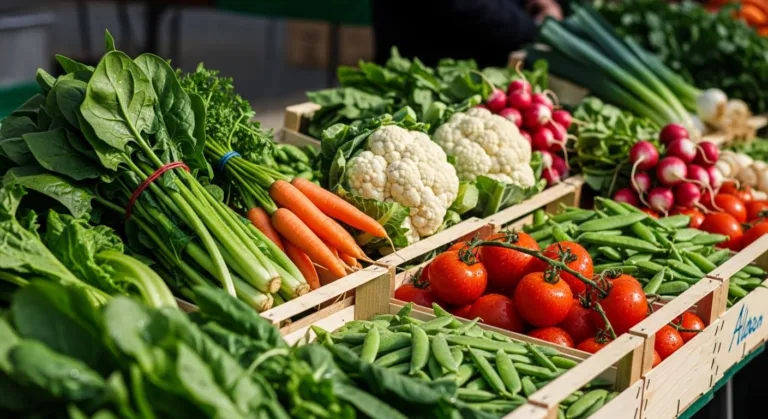
If it’s spring where you are, farms like Multanfarms.com are probably bursting with fresh, crisp vegetables. We’re talking about snap peas that actually snap, asparagus spears shooting up from the ground, radishes with a perfect peppery crunch, and baby lettuces so tender they practically melt in your mouth. Spring vegetables are all about that fresh, light, “wake up from winter” energy. They grow fast in the mild weather and don’t need intense heat.
Summer is when vegetable farms basically explode with color and flavor. Right now could mean juicy tomatoes (seriously, summer tomatoes are a completely different food than winter ones), crunchy cucumbers, zucchini that grows so fast farmers joke about it taking over the world, sweet corn, bell peppers in every color, and glossy eggplants. These vegetables are sun worshippers. They need hot days and warm nights to develop their sugars and get that incredible taste.
When fall rolls around, the tough vegetables take center stage. Today might mean pumpkins and butternut squash for your favorite fall recipes, Brussels sprouts (which actually taste sweet and nutty when they’re fresh!), cauliflower and broccoli, carrots pulled straight from the ground, and beets that stain your fingers purple. Many of these vegetables actually improve after a light frost because the cold weather makes them sweeter. Nature’s cool, right?
Winter might seem like a dead zone for fresh vegetables, but surprise! Hardy greens are still growing strong in many places. Kale, cabbage, turnips, and winter spinach can handle the cold like champions. In warmer regions like parts of Pakistan where it doesn’t freeze hard, winter is actually perfect for growing lots of vegetables that hate extreme heat. Today’s winter vegetables might be your healthiest options of the year!
Why Should You Actually Care About Eating What’s Growing Now?
Let’s get real for a second. You might be thinking, “Okay, cool story, but my grocery store has every vegetable all year long. Why does it matter what’s in season today?” Great question! Here are three reasons that might actually change your mind.
Flavor That’ll Blow Your Mind: When a vegetable ripens naturally in its proper season, it develops flavors that are impossible to recreate any other way. Out-of-season vegetables are usually picked way too early (while they’re still hard and flavorless) so they can survive the long journey to your store. They might turn red or orange during shipping, but they never develop real flavor. It’s like trying to force a friendship, it just doesn’t work. Seasonal vegetables get to ripen on the plant until they’re perfect. One bite of a real seasonal tomato, and you’ll understand what I’m talking about!
Your Money Goes Further: Here’s something your parents will love. When vegetables are in season, farms are harvesting tons of them. Remember supply and demand from economics? High supply + normal demand = lower prices. Those zucchinis in July when every garden is overflowing? Super cheap! That same zucchini in January when it has to be flown in from another hemisphere? Crazy expensive! Eating seasonally is basically a life hack for getting the best food at the best prices.
Serious Nutrition Power: This might surprise you, but vegetables start losing vitamins the minute they’re picked. A vegetable that travels for two weeks before reaching your plate has lost a huge chunk of its nutrients. Seasonal vegetables from places like Multanfarms.com travel shorter distances and reach you faster, so they’re packing way more vitamins, minerals, and all that good stuff your body needs. It’s like choosing between a fresh-squeezed orange juice and one that’s been sitting open in the fridge for a week. Technically both are orange juice, but one is obviously better for you!
The Secret Environmental Superpowers of Seasonal Eating
Want to know something awesome? Every time you choose seasonal vegetables, you’re actually being an environmental superhero. No cape required!
Growing vegetables out of season is incredibly resource-intensive. Think about it: to grow tomatoes in winter, farmers need heated greenhouses (using tons of energy), artificial lights (more energy), and way more water than natural rainfall provides. It’s like trying to create summer in the middle of winter, possible, but super wasteful. Seasonal vegetables just grow naturally with the sun, rain, and temperatures that are already there.
Then there’s the whole transportation nightmare. That asparagus you see in December probably took a plane, a truck, and another truck to reach your grocery store. We’re talking thousands of miles and tons of fuel burned. When you choose what’s growing seasonally near you, your vegetables might travel 50 miles instead of 5,000. Less fuel burned means less pollution in our air and less contribution to climate change. One person’s choices might seem small, but imagine if everyone in your school started choosing seasonal vegetables. That’s serious impact!
Your Game Plan for Going Seasonal
Alright, you’re convinced that seasonal vegetables are worth trying. But how do you actually figure out what’s in season today without becoming a farming expert? Here’s your action plan!
Start with a seasonal calendar: Check out websites like Multanfarms.com that show you what they’re harvesting right now. Most local farms are happy to share what’s currently growing because, well, that’s what they want to sell! You can also search for “seasonal vegetable calendar” plus your region to get a simple chart.
Make it a challenge: Try one new seasonal vegetable every week. Never tasted kohlrabi? There’s a first time for everything! Think bok choy looks weird? That’s exactly why you should try it! Treat it like a food adventure. You might discover your new favorite vegetable, or at least get a funny story out of it.
Get your family involved: Next time you’re making a grocery list, suggest choosing meals based on what’s in season. “Hey, tomatoes are amazing right now, how about homemade pizza this week?” Most parents are totally down for this because it saves money and gets you interested in cooking. Win-win!
Go straight to the source: If you can, visit a farmers’ market or see if your family can order directly from farms. Farmers love talking about what they’re growing today and can give you tips on how to cook stuff you’ve never tried before. Plus, there’s something really cool about meeting the person who grew your food.
Making Seasonal Eating Work in Your Actual Life
Let’s be super honest here: nobody’s expecting you to eat 100% seasonally all the time. That would mean giving up bananas, avocados (unless you live in a tropical place), and a bunch of other foods that just don’t grow everywhere. And that’s totally fine!
The goal is to think seasonally when you can. Building your meals around what’s in season today, then adding other stuff you need, is a great strategy. Making stir-fry? Use whatever seasonal vegetables are available as your base, then add rice, protein, and sauce. The seasonal stuff becomes the star, and everything else supports it.
You can also learn some old-school food preservation tricks. When summer vegetables are everywhere and super cheap, your family could freeze some for winter. It’s what people did for centuries before supermarkets existed! Frozen seasonal vegetables from summer often taste better than fresh out-of-season ones in winter. It’s like creating a time capsule of summer flavors.
Here’s the Real Deal
Eating seasonal vegetables isn’t about following some complicated rules or becoming a food snob. It’s about paying attention to what’s actually growing around you right now, today, in real time. It’s about tasting food that actually tastes like something. And it’s about making choices that are better for your health, your family’s budget, and the planet we all share.
The coolest part? Once you start noticing seasonal vegetables, you’ll start appreciating how food connects to the natural world around you. You’ll notice spring arriving when the first asparagus shows up. You’ll celebrate summer with that first perfect tomato. You’ll feel fall coming when squash and apples take over. Food becomes more than just fuel, it becomes a way to experience the changing seasons.
So next time you’re planning a meal or grocery shopping, ask yourself: what’s growing today? What vegetables are thriving in right now’s weather? Check out what Multanfarms.com or your local farms are harvesting this week. Your taste buds will thank you, your body will thank you, and honestly, the planet will thank you too.
What seasonal vegetable that’s growing right now are you going to try this week?