Have you ever thought about turning your love for fish into an actual business? Maybe you’ve been fascinated by aquariums, or perhaps you’ve heard stories about people making money by raising fish. Here’s something that might surprise you: the fish business is booming worldwide, and it’s not just for big companies with tons of money! People of all ages, from teenagers to grandparents, are starting their own fish businesses and finding success.
Starting a fish business might sound complicated, but it’s actually more accessible than you’d think. With the right knowledge, some dedication, and a bit of startup money, you could be raising and selling fish within just a few months. Whether you’re thinking about this as a future career possibility or just curious about how it all works, understanding the fish business is pretty fascinating!
In this article, we’ll walk through everything you need to know about starting a fish business. From choosing the right type of fish to understanding costs, finding customers, and avoiding common mistakes, you’ll get a complete roadmap. By the end, you’ll have a solid understanding of whether the fish business might be right for you or someone you know. Let’s dive in!
Deciding What Kind of Fish Business You Want
Before you do anything else, you need to figure out what kind of fish business you want to run. It’s kind of like choosing your adventure in a video game, each path has different challenges, rewards, and requirements!
The most common option is ornamental fish farming, where you raise pretty fish that people keep in aquariums. Think goldfish, guppies, bettas, or those colorful tropical fish you see at pet stores. This type of business is great for beginners because these fish are usually smaller, easier to care for, and don’t require massive facilities. Plus, lots of people love having aquariums at home, so there’s always demand!
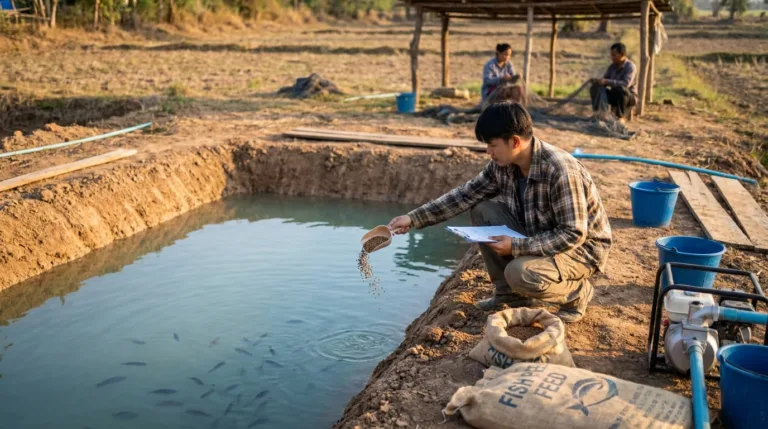
Another option is food fish farming, where you raise fish that people eat, like tilapia, catfish, or carp. This can be more profitable because you’re dealing with larger quantities, but it also requires more space and equipment. You’ll need bigger tanks or ponds, and you’ll be selling to restaurants, fish markets, or directly to consumers.
There’s also breeding rare or exotic fish, which is like the specialty route. If you become an expert in breeding a particular type of rare fish, you can sell them for higher prices to serious collectors. However, this usually requires more advanced knowledge and experience.
The key is to start with something manageable. Most successful fish farmers recommend beginning with hardy, easy-to-breed species before moving on to more complicated ones. It’s like learning to ride a regular bike before attempting tricks on a BMX!
Understanding the Basics: What You’ll Actually Need
Let’s talk about the practical stuff you’ll need to get started. Don’t worry, you don’t need a massive warehouse or oceanfront property! Many people start fish businesses right in their backyard or even in their garage.
First up, you’ll need tanks or ponds. For ornamental fish, you can start with a few aquarium tanks (like the ones you’d buy at a pet store, just bigger). For food fish, you might need outdoor ponds or large plastic tanks. The size depends on what fish you’re raising and how many you want to produce. Think of it this way: fish need room to grow, just like you wouldn’t want to live in a closet!
Next, you’ll need filtration and aeration systems. Fish need clean, oxygen-rich water to survive and thrive. A good filter removes waste and keeps the water clean, while an aerator adds oxygen to the water. It’s basically like having both a vacuum cleaner and an air conditioner for your fish’s home!
You’ll also need fish food, which you can buy from agricultural supply stores. Different fish eat different things, some like pellets, others prefer flakes, and some need live food like worms or smaller fish. Your fish food costs will be one of your biggest ongoing expenses, kind of like how groceries are a regular expense for your family.
Don’t forget about water testing kits to check things like pH levels, ammonia, and nitrate levels. Fish are sensitive to water quality, so you’ll need to monitor this regularly. It’s like being a scientist, but for fish!
Finally, you’ll need basic equipment like nets, buckets, and containers for transporting fish. If you’re selling food fish, you might also need processing equipment, but that’s more advanced stuff you can worry about later.
Crunching the Numbers: Startup Costs and Budgeting
Let’s talk money, because that’s probably what you’re most curious about! How much does it actually cost to start a fish business? The answer is: it depends on your scale, but you can start smaller than you might think.
For a small ornamental fish operation (let’s say 3-5 tanks in your garage or backyard), you might need anywhere from $500 to $2,000 to get started. This would cover basic tanks, filtration systems, starter fish, food, and equipment. It’s about the same cost as a decent gaming computer or a used bicycle!
If you’re going bigger with food fish and outdoor ponds, you’re looking at $3,000 to $10,000 or more for a beginner setup. This includes pond construction or large tanks, more sophisticated filtration, and a larger initial stock of fish. That sounds like a lot, but remember, this is a business that can generate income!
Here’s the cool part: fish can reproduce pretty quickly. Once you have your breeding stock (your original fish that will have babies), you don’t need to keep buying more fish. They’ll create their own inventory! It’s like planting a garden once and then harvesting vegetables all season long.
You’ll also have ongoing costs like electricity for pumps and filters, fish food (usually $50-$200 per month depending on your scale), and water bills. Smart fish farmers track all these expenses carefully so they know exactly how much profit they’re making.
Finding Your Customers and Making Sales
Having lots of healthy fish is great, but you need people who want to buy them! This is where marketing comes in, and it’s actually one of the most important parts of running a fish business.
For ornamental fish, your customers might include local pet stores that want to stock their aquariums, individual hobbyists who maintain home aquariums, and aquarium installation companies that set up tanks for offices and restaurants. Start by visiting local pet stores and asking if they’d be interested in buying locally-raised fish. Many store owners love supporting local suppliers!
You can also sell directly to customers through online marketplaces and social media. Facebook Marketplace, local community groups, and specialized aquarium forums are great places to connect with fish enthusiasts. Some people even create Instagram or TikTok accounts showing their fish breeding operation, which attracts customers organically!
For food fish, your main customers will be restaurants, fish markets, and direct consumers. Building relationships with local restaurants is key. Chefs often love being able to say their fish is locally sourced and fresh. You could also set up at farmers markets or offer a subscription service where customers get fresh fish delivered regularly.
Here’s a pro tip: word-of-mouth marketing is incredibly powerful in the fish business. When you provide healthy, high-quality fish and great customer service, people will recommend you to their friends. It’s like how you’d tell your friends about a great new restaurant you discovered!
Learning the Ropes: Knowledge Is Your Superpower
You can have all the equipment in the world, but if you don’t understand fish biology and care, your business won’t succeed. The good news? There are tons of ways to learn!
Start by reading books and watching videos about fish farming and aquaculture. YouTube is packed with experienced fish farmers sharing their knowledge for free. It’s like having a personal mentor you can access anytime! Look for channels that focus on the specific type of fish you want to raise.
Consider joining online communities and forums where fish farmers hang out. These groups are goldmine for tips, troubleshooting advice, and industry connections. When you have a problem (and you will have problems!), these communities can help you solve it quickly.
If possible, visit existing fish farms in your area. Most farmers are surprisingly willing to share their knowledge, especially if you’re respectful and genuinely interested. It’s kind of like how gamers enjoy showing newbies the ropes, experienced farmers often love mentoring beginners!
You might also want to take courses on aquaculture if any are offered in your area. Some agricultural colleges and online platforms offer specialized training. Even a basic course can teach you valuable lessons that save you from costly mistakes.
The most important thing? Start small and learn as you grow. Don’t try to become an expert overnight. Every successful fish farmer started as a beginner who made mistakes and learned from them.
Avoiding Common Beginner Mistakes
Let’s talk about the mistakes that trip up new fish farmers, so you can avoid them! Learning from other people’s errors is way less painful than learning from your own.
Mistake #1: Starting too big, too fast. Many beginners get excited and buy tons of fish and equipment right away. Then they get overwhelmed and can’t manage everything properly. It’s like trying to juggle ten balls when you haven’t even learned to juggle three! Start with a manageable number of tanks or a small pond, learn the basics, and then expand gradually.
Mistake #2: Not understanding water quality. This is probably the biggest killer of fish businesses. Poor water quality leads to sick fish, dead fish, and unhappy customers. You need to test your water regularly and understand what the numbers mean. Invest in a good testing kit and learn how to use it properly!
Mistake #3: Buying cheap, low-quality equipment. While you don’t want to overspend, buying the absolute cheapest filters or aerators often backfires. They break down more often, work less efficiently, and can cause problems for your fish. It’s better to save up for decent mid-range equipment that’ll last.
Mistake #4: Not having a backup plan for equipment failure. What happens if your aerator stops working in the middle of the night? Having backup equipment and emergency supplies can save your entire stock of fish. Think of it like keeping a spare tire in your car!
Mistake #5: Ignoring local regulations. Depending on where you live, you might need permits or licenses to run a fish business. Some areas have specific rules about water usage, waste disposal, or selling food products. Do your research before you start, or you could face fines or have to shut down!
Conclusion
Starting a fish business isn’t just a pipe dream, it’s a real possibility that people of all backgrounds are pursuing successfully! Whether you’re thinking about ornamental fish, food fish, or specialty breeding, there’s a path forward that can work for you. The key is to start small, learn continuously, and grow at a pace that makes sense for your situation.
Remember, every successful fish farmer started exactly where you are now: curious, maybe a little uncertain, but excited about the possibilities. With the right knowledge, some initial investment, and dedication to learning and improving, you could build a thriving fish business. The demand for both aquarium fish and fresh, locally-raised food fish continues to grow, which means opportunity is knocking!
So, what do you think? Does starting a fish business sound like something you might be interested in exploring further? Whether you’re considering it as a future career, a side hustle, or you’re just fascinated by the process, understanding how fish businesses work gives you a window into an important and growing industry. Who knows? Maybe one day you’ll be the one sharing advice with the next generation of fish farmers!