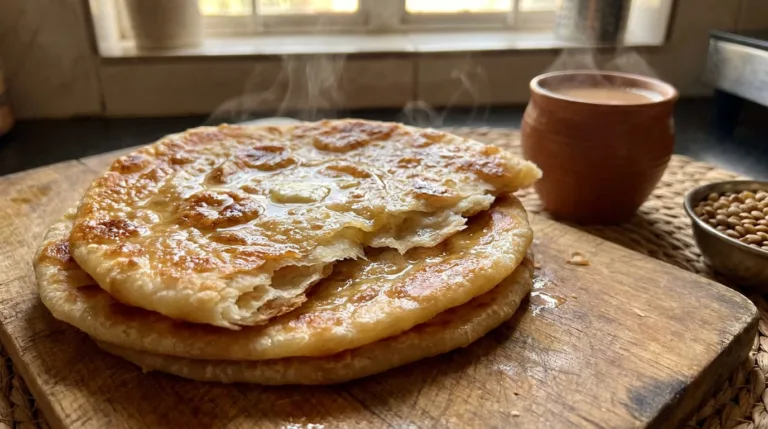
Have you ever watched someone flip a perfectly round, golden-brown flatbread on a hot griddle and wondered what makes it puff up like magic? That’s dolly roti, and it’s one of the most beloved breads in Pakistani homes. If you’ve ever been to Pakistan or eaten at a Pakistani restaurant, chances are you’ve tasted this delicious, slightly crispy yet soft bread. But there’s so much more to dolly roti than meets the eye!
Dolly roti isn’t just any flatbread. It’s a staple food that millions of people eat every single day, especially in regions like Punjab, where Multan is located. At Multanfarms.com, we understand how important traditional foods are to our culture and health. That’s why we’re excited to take you on a journey to discover everything about this amazing bread, from how it’s made to why it’s such a big deal in Pakistani kitchens.
In this article, you’ll learn what dolly roti actually is, how it differs from other types of roti, the simple ingredients that go into making it, and why families have been baking it for generations. Get ready to become a dolly roti expert!
What Exactly Is Dolly Roti?
Let’s start with the basics. Dolly roti is a type of unleavened flatbread, which means it doesn’t use yeast to make it rise like sandwich bread does. Instead, it relies on heat and a special cooking technique to puff up and create those characteristic air pockets inside. Think of it like a balloon that inflates when you blow air into it, except dolly roti inflates because of steam trapped inside while it cooks!
The name “dolly” actually refers to the traditional clay oven called a tandoor, though nowadays people make it on a flat griddle called a tawa. It’s typically thicker than chapati (another popular flatbread) and has a slightly crispy exterior with a soft, fluffy inside. When you tear into a fresh dolly roti, you’ll often see layers that separate easily, kind of like peeling apart the layers of a biscuit.
What makes dolly roti stand out is its versatility. You can eat it for breakfast with a cup of chai (tea), use it to scoop up curries and dals for lunch or dinner, or even wrap it around kebabs for a quick snack. It’s like the Swiss Army knife of Pakistani cuisine.
The Simple Ingredients That Create Magic
One of the coolest things about dolly roti is how few ingredients it needs. You’d think something so delicious would require a long shopping list, but that’s not the case at all! The basic recipe uses just three main ingredients: whole wheat flour (called atta in Urdu), water, and a pinch of salt.
That’s it! No fancy spices, no complicated additives. The magic happens through technique rather than ingredients. Some families add a tiny bit of oil or ghee (clarified butter) to make the dough softer, but traditional dolly roti keeps things simple. This simplicity means that even families with limited resources can make nutritious, filling bread every day.
The whole wheat flour used in dolly roti is actually really good for you. It contains fiber that helps your digestive system work properly, vitamins that give you energy, and minerals that keep your bones strong. When you compare dolly roti to white bread made from refined flour, it’s like comparing a home-cooked meal to fast food. Both will fill you up, but one gives your body way more of what it needs!
How Is Dolly Roti Made? The Step-by-Step Process
Making dolly roti is an art form that many Pakistani mothers and grandmothers have perfected over years of practice. The process starts with mixing the flour, water, and salt into a dough. This dough needs to be kneaded, which means pushing and folding it repeatedly until it becomes smooth and elastic. It’s a bit like working with Play-Doh, except this dough will eventually become your dinner!
After kneading, the dough rests for about 15 to 30 minutes. This resting time is super important because it allows the gluten (a protein in wheat) to relax, making the dough easier to roll out. Once rested, the dough is divided into small balls about the size of a golf ball.
Here’s where the real skill comes in. Each ball is rolled out with a wooden rolling pin called a belan into a flat circle. The thickness matters—too thick and it won’t cook properly; too thin and it might burn or become crispy like a cracker. Then, the rolled-out dough goes onto a hot tawa or griddle. As it cooks, you’ll see bubbles forming on the surface. When you flip it over and press gently with a cloth, the whole thing puffs up like a pillow! That puffing action is what creates those wonderful air pockets and the characteristic texture of dolly roti.
Dolly Roti vs. Other Pakistani Breads: What’s the Difference?
If you’re new to Pakistani cuisine, you might be confused about all the different types of roti. Don’t worry, you’re not alone! Let’s clear things up by comparing dolly roti to its cousins.
Chapati is probably the most similar to dolly roti, but it’s usually thinner and doesn’t puff up as much. Think of chapati as dolly roti’s thinner, flatter sibling. It’s often used in the same ways but has a different texture.
Naan is thicker and fluffier than dolly roti and is traditionally cooked in a tandoor (clay oven). Naan often contains yogurt or milk in the dough, giving it a richer taste. If dolly roti is your everyday school lunch, naan is like the special meal you have on weekends or at restaurants.
Paratha is a layered flatbread that’s typically cooked with oil or ghee, making it much richer and more indulgent than dolly roti. Parathas are often stuffed with potatoes, vegetables, or meat. They’re delicious but definitely more of a treat than an everyday food.
Dolly roti sits right in the middle, it’s heartier than chapati but lighter than naan or paratha. This makes it perfect for everyday meals while still being special enough to enjoy.
Why Dolly Roti Matters in Pakistani Culture
Food isn’t just about filling your stomach, it’s also about culture, family, and tradition. In Pakistani households, especially in Punjab where Multan is located, dolly roti represents home, comfort, and togetherness. Many people have fond memories of watching their mothers or grandmothers making fresh roti every day, the smell filling the house and signaling that mealtime was near.
Making dolly roti is often a skill passed down through generations. Daughters learn by watching their mothers, starting with simple tasks like kneading the dough and eventually mastering the rolling and cooking techniques. It’s like learning to ride a bike—you might wobble at first, but with practice, it becomes second nature.
At Multanfarms.com, we celebrate these traditions because they connect us to our roots and remind us of the importance of wholesome, natural foods. The wheat used to make dolly roti comes from farms like those in the fertile plains around Multan, where farmers have been growing crops for thousands of years. When you eat dolly roti, you’re not just eating bread; you’re participating in a culinary tradition that stretches back generations.
The Health Benefits You Didn’t Know About
Beyond tradition and taste, dolly roti offers some serious health benefits, especially when compared to processed breads. Because it’s made from whole wheat flour, it contains all parts of the wheat grain, including the bran (outer layer), germ (nutrient-rich core), and endosperm (starchy middle). This means you’re getting fiber, B vitamins, iron, magnesium, and protein in every bite.
The fiber in dolly roti helps keep your digestive system running smoothly (kind of like keeping the pipes in your house clear). It also helps you feel full longer, which means you’re less likely to reach for unhealthy snacks an hour after eating. The B vitamins give you energy for school and activities, while minerals like iron help carry oxygen through your blood to all parts of your body.
Another cool benefit? Dolly roti has a lower glycemic index than white bread, which means it doesn’t cause your blood sugar to spike and crash the way sugary or refined foods do. This gives you steady energy throughout the day rather than a quick burst followed by feeling tired and hungry again.
Bringing It All Together
Dolly roti might seem like a simple flatbread, but as you’ve learned, it’s so much more than that. It’s a nutritious staple food, a cultural treasure, and a delicious way to enjoy meals with family and friends. From its humble ingredients to the skilled hands that shape and cook it, every dolly roti tells a story of tradition, health, and community.
Whether you’re eating it fresh off the tawa with a pat of butter, using it to scoop up your favorite curry, or simply appreciating the craftsmanship that goes into making it, dolly roti deserves its place at the heart of Pakistani cuisine. At Multanfarms.com, we’re proud to support the agricultural traditions that make foods like dolly roti possible.
So next time you tear into a warm piece of dolly roti, take a moment to think about the journey it took from wheat field to your plate. Pretty amazing, right? Have you ever tried making dolly roti yourself, or would you like to give it a shot? The best way to appreciate this incredible bread is to experience the process firsthand!